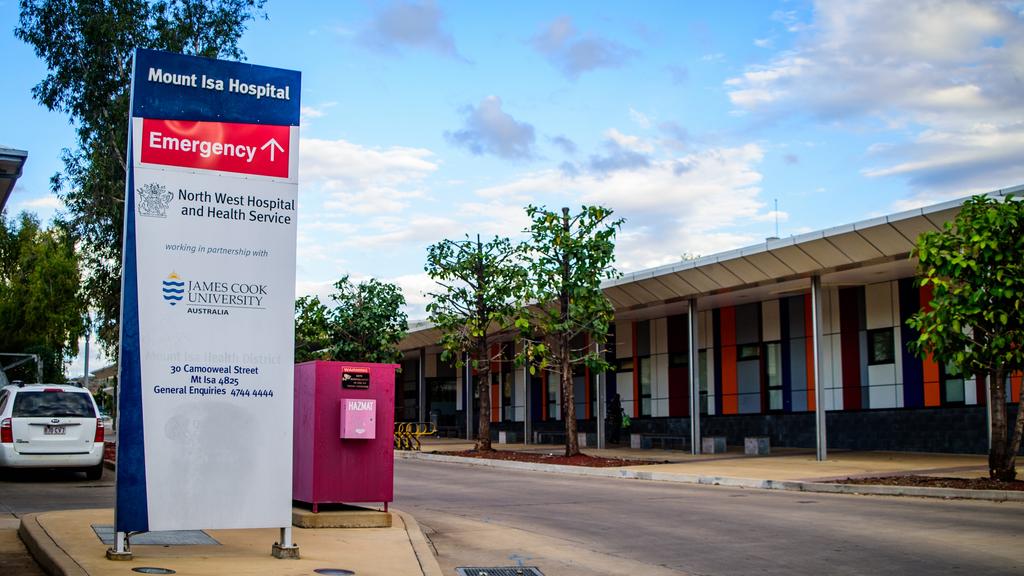
A rural health service covering Mount Isa, Doomadgee and Mornington Island is battling dire midwife shortages, with 14 of their 37 full-time positions currently vacant.
The North West Hospital and Health Service (NWHHS), which also covers some remote Indigenous communities, is looking to New Zealand and attractive salary packages in an effort to combat the shortage.
It comes after a probe into the state of the health system by the Crisafulli government earlier this year revealed workforce shortages of between 11.5 per cent and 17.91 per cent for key maternity professions across the regions including obstetricians, anaesthetists and midwives.
In May, it was also revealed rural Queenslanders were also facing long surgery wait times, with one in five urgent cases delayed longer than recommended.
The recruitment campaign launched by the NWHHS would offer newly employed midwives a base salary ranging between $132,562 and $143,924 and a 12.75 per cent superannuation contribution.
An “isolation bonus” of $3500 would also be offered if the recruit stayed for one year.
For two years they would receive $10,500, and $7000 for three years and every year after that.
Director of Midwifery Paula Ryan said new recruits would ideally have cultural experience and be eager to work in remote First Nations communities, which was why the NWHHS was casting their search across the Tasman.
“In recognition of cultural sensitivities, many midwives practising in New Zealand have a set of skills from working within the Maori culture that they bring to their practice,” Ms Ryan said.
“Our experience is that these skills and understanding often translate well into meaningful care for Aboriginal and Torres Strait Islander mothers and babies.
“Cultural safety is a priority and critical in maternity care, especially for First Nations women. Midwives are expected to provide cultural education and demonstrate culturally safe practice.”
Ms Ryan said increasing the number of midwives was vital in improving the health and wellbeing of First Nations women, babies and families.
“Midwives who understand and are trained to deliver high quality, culturally-safe care will develop better rapport with pregnant women and promote better engagement, which will lead to earlier antenatal care and improved birthing outcomes,” she said.
Health and Ambulance Services Minister Tim Nicholls said growing the state’s health workforce in regional, rural and remote areas was a top priority.
“The Crisafulli government is committed to growing our homegrown health workforce over the long term. We’re also undertaking significant national and international recruitment activities to attract medical professionals to help address our workforce needs in the short and medium term.,” he said.
“This includes looking to international recruits from the UK, Ireland, the US and New Zealand to complement local recruitment efforts. The Crisafulli government is committed to delivering 34,200 extra clinicians by 2032.”
Originally published as Kiwis targeted amid regional Qld’s critical midwife shortage