NSW and Victoria have expanded eligibility for the Japanese encephalitis (JE) vaccine after new cases were detected.
On Friday, Victoria’s health department confirmed the second locally acquired case of JE in this mosquito season.
This came after NSW recorded its first case of the summer in December, from a man living in Lake Cargelligo, located seven hours inland from Sydney.
Both states have recommended the JE vaccine for residents living or working in high-risk local government areas.
“Now is a great time to vaccinate, not just because we're in the midst of mosquito season but because the eligibility criteria are now expanded to include a much broader group within affected regional areas," NSW health director Keira Glasgow said.
“It's important the community continues to stay vigilant and take precautions against mosquito bites altogether because, aside from Japanese encephalitis, mosquitoes carry a range of viruses for which there are no vaccines.”
There have been 45 human cases of JE identified in Australia since January 2021, with seven reported deaths.
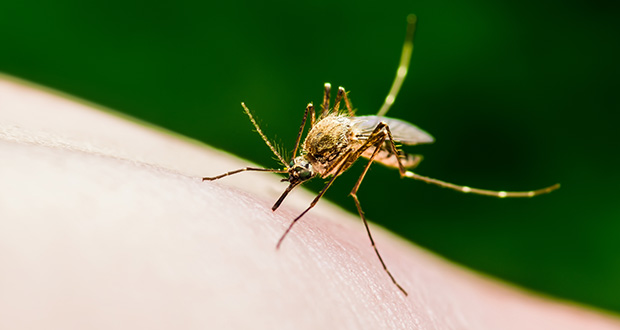
The disease is spread through mosquito bites and can lead to a raft of symptoms including fever, headaches, fatigue, muscles aches, joint pains and rashes.
Most people with the virus are asymptomatic and roughly one per cent infected will develop severe neurological symptoms including seizures, paralysis or coma.
The NSW Australian Medical Association said after months of flooding rains the peak summer season will be "high risk" for infections.
“Anyone west of Dubbo should check if they are in a local government area of high Japanese encephalitis virus concern,” NSW AMA president Dr Michael Bonning wrote in a statement.
“In addition, if you spend more than four hours a day outdoors, or live in temporary or floor damaged accommodation, or have been involved in prolonged flood recovery efforts, then you may be eligible for a free vaccine.”
The JE vaccine is available through local GPs, Aboriginal health services and pharmacists and is free for all residents.