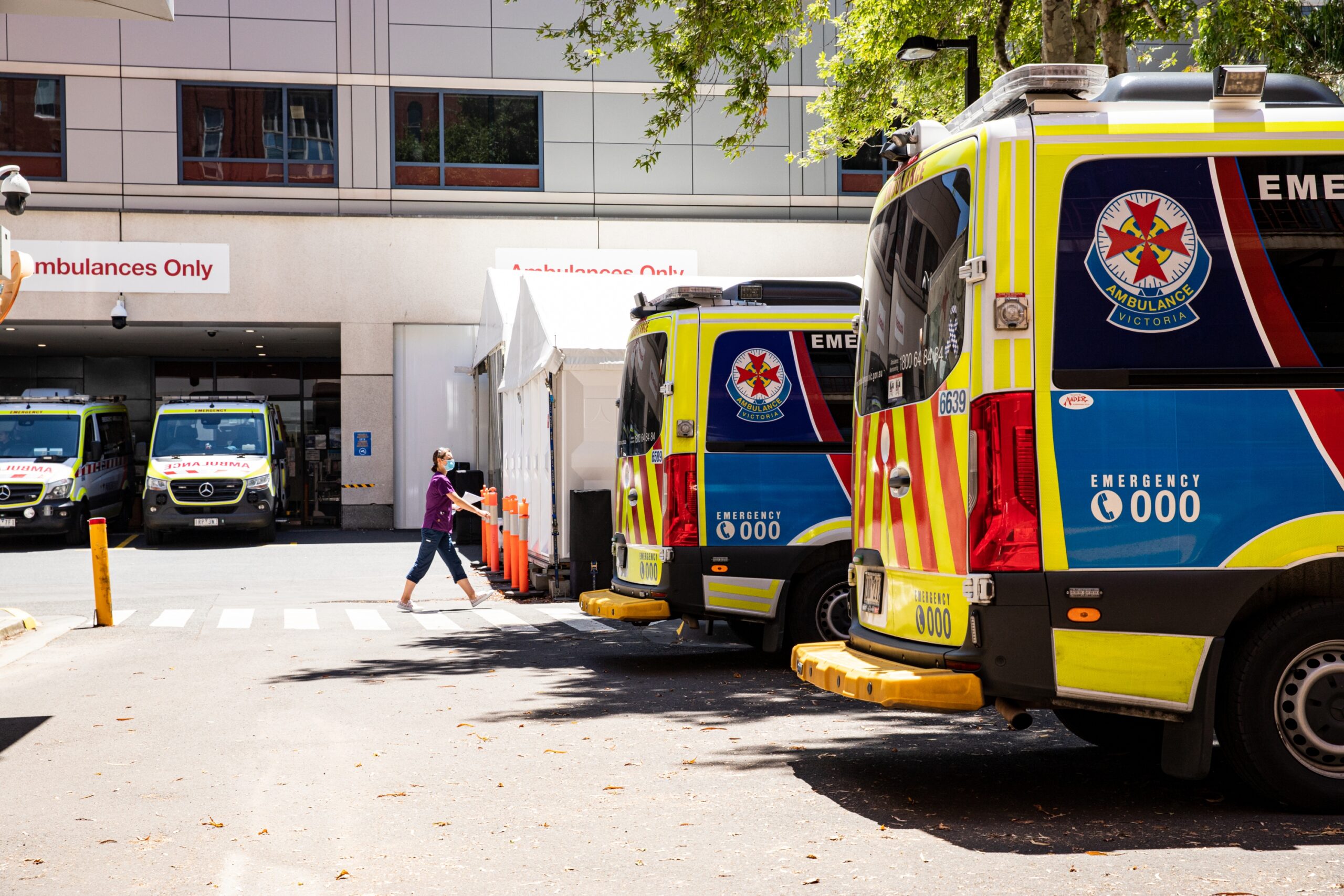
A major Melbourne hospital has been accused of discrimination for fast-tracking care for First Nations patients over that of other Victorians under an Australian-first policy.
Staff at St Vincent’s Hospital have been told to treat all First Nations patients within 30 minutes of arrival to its emergency department, according to a Herald Sun report, putting them ahead of others in some cases.
Under the policy changes, introduced at St Vincent’s last April, First Nations patients are assigned a minimum category-three triage, meaning they must be attended to within half an hour of arrival.
This places them ahead of semi-urgent category-four patients and non-urgent category patients, of which there were more than 17,000 in the 12 months to June this year.
According to the Victorian Agency for Health Information, just 65 per cent of category-four patients and 89 per cent of category-five patients were seen within recommended emergency department wait times.
The policy is part of a broader effort to improve access for Indigenous patients, a St Vincent’s spokesperson said in a statement – an estimated 5 per cent of the hospital’s emergency department presentations are First Nations Australians, more than at any other Victorian hospital.
It has earned St Vincent’s a Victorian Public Healthcare Award, with a citation noting “First Nations patients are now seen more promptly than non-Indigenous patients”.
“Research conducted in St Vincent’s Hospital Melbourne’s (SVHM) ED showed First Nations patients were, on average, waiting longer to be seen compared to non-Indigenous patients,” the spokesperson said.
“The research also showed First Nations patients were more likely to remain engaged with care if seen within their first hour of ED presentation.”
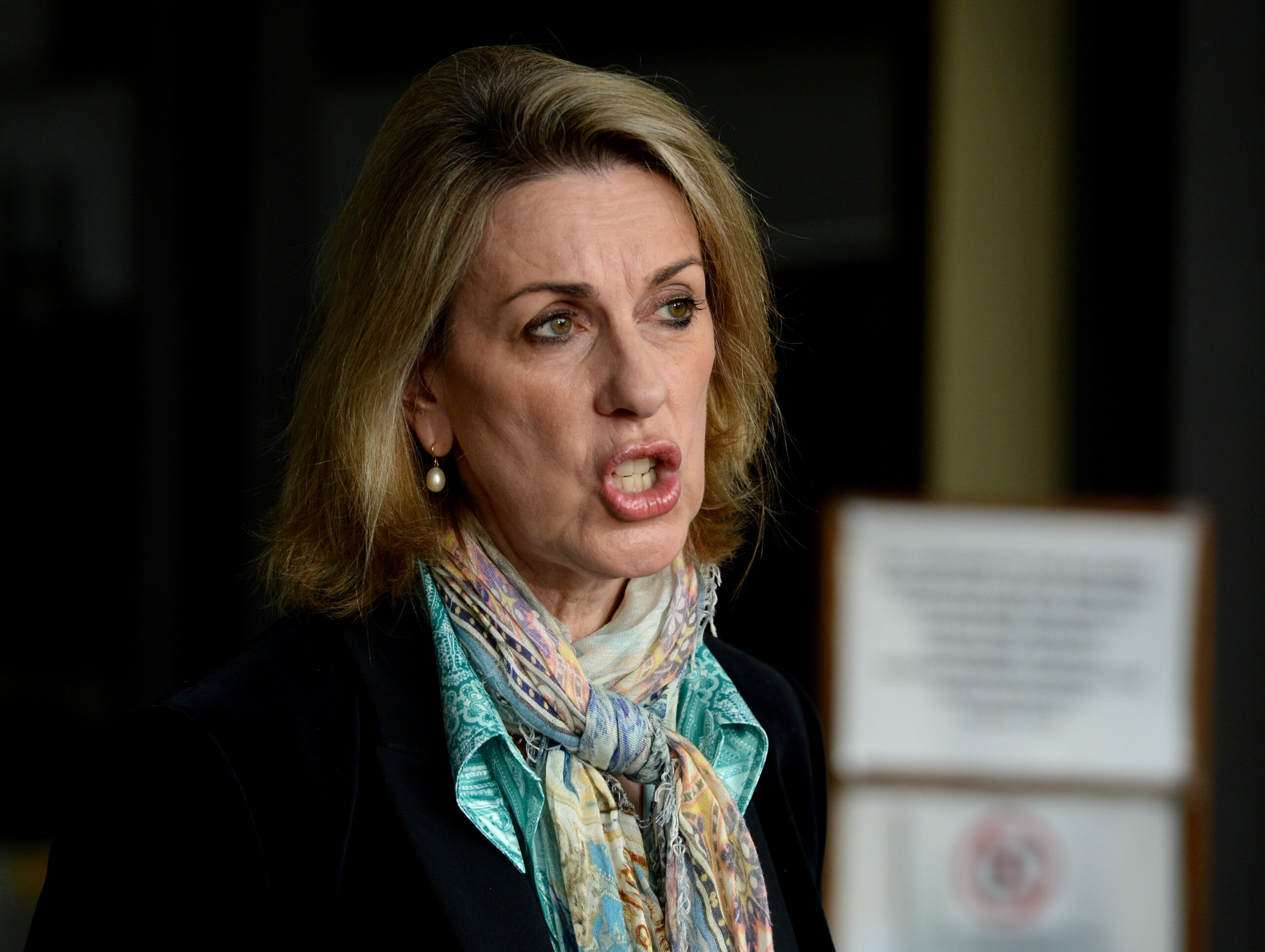
Though St Vincent’s said the policy had ensured emergency department wait times for non-Indigenous and Indigenous Australians was now comparable and “has had no negative impact on overall ED access and patient flow”, Victorian Shadow Health Minister Georgie Crozier has accused the healthcare provider of “discrimination (that) will only divide our society”.
“The triaging of patients should be done on medical need, not based on the colour of your skin,” Ms Crozier told the Herald Sun.
It is well documented that First Nations Australians are at a significant disadvantage when it comes to their health.
Not only do First Nations people have a lower life expectancy compared to their non-Indigenous counterparts, but the community also experiences higher rates of infant mortality, hospitalisation and suicide.
In September, Premier Jacinta Allan announced Victoria had reached an in-principle agreement with the First Peoples’ Assembly of Victoria.
If passed, the treaty will allow for a permanent First Peoples’ Assembly under a new authority called the Gellung Warl – meaning “tip of the spear” in Gunaikurnai language.
The Statewide Treaty Agreement is aimed to “build a new relationship based on respect, trust and integrity”.
The in-principle agreement followed 10 months of negotiations between the First Nations’ Assembly of Victoria and the Allan government.
The assembly was set up in 2019 and will be led by democratically elected First Nations people who will make decisions and rules about specific matters that directly impact Aboriginal people.
The Bill includes embedding truth-telling and healing into both government and non-government-run school curriculums from prep until Year 10.
The assembly will also oversee consultation on rules and policies developed relating to First Peoples and government-funded bodies, including the police.
However, the government will have the final say on decisions.
At the time of the “historic” announcement, Ms Allan said the changes were not about “taking anything away from anyone” and were, instead, about “improving services, improving the lives for Aboriginal Victorians”.
“Families are better off when they have a say, when they have control and responsibility over their lives and Aboriginal families are no different,” she said.
“It will be doing so over a period of time because treaty lays out some very clear rules around how, together, we will achieve this change.”