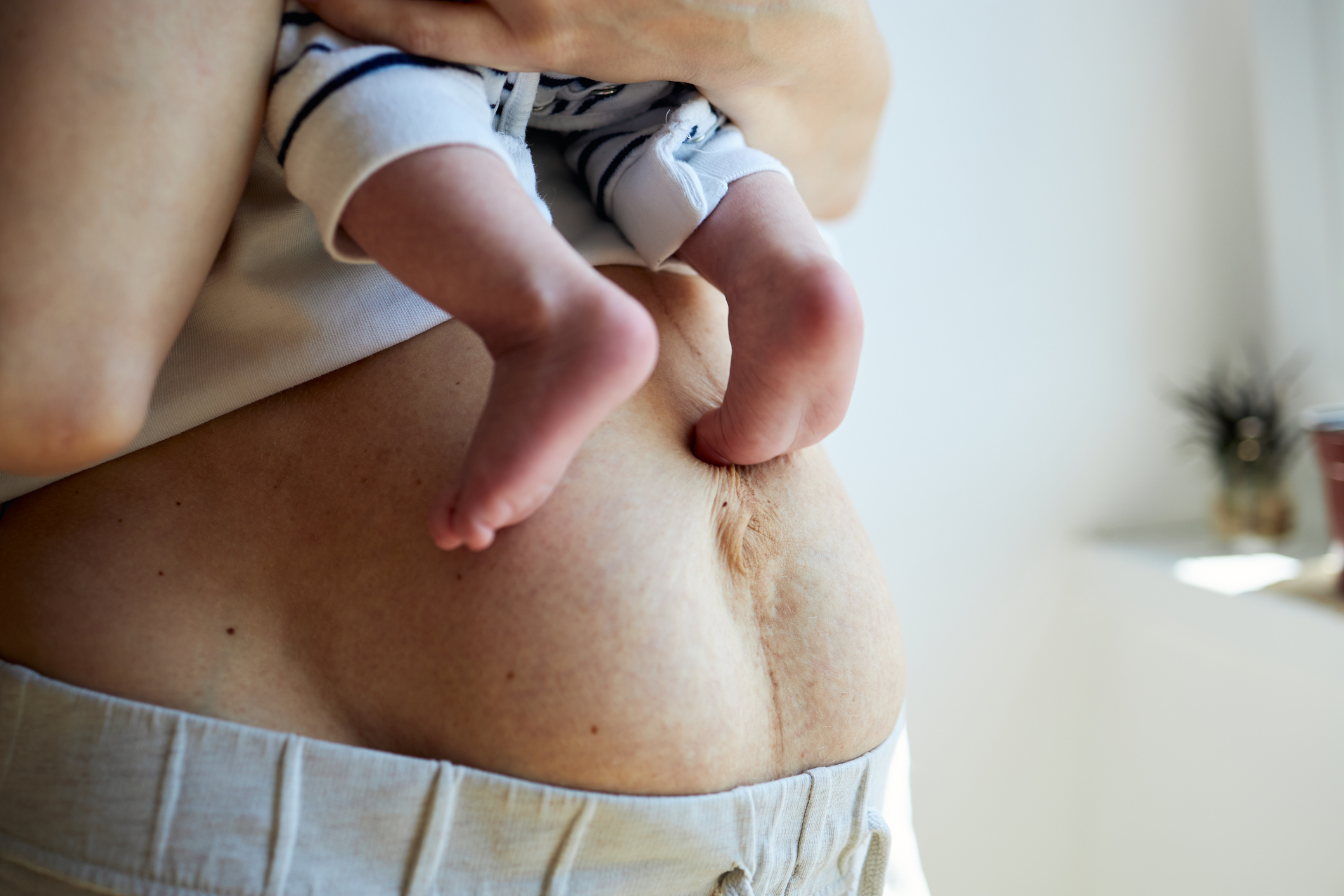
A new Senate Select Committee will examine some of the most pressing issues affecting women’s health, with fertility, postpartum healthcare and women’s pain among the key areas set to be investigated.
The motion to establish the Committee was moved by South Australian Labor Senator Marielle Smith, who will now chair it as it holds public hearings across Australia.
“Having a baby is one of the most miraculous experiences of a parent’s life,” Ms Smith told the Senate on Wednesday.
“There is no greater joy or sense of achievement than holding your precious, new baby in your arms. The love is indescribable.
“But the truth is that, alongside these feelings, the days and weeks after birth can be particularly tough, especially for new mothers. Whether it is challenges with breastfeeding, pelvic floor, mental health or the physical experience of birth, women can find themselves suffering deeply.
“Too many women find themselves isolated, vulnerable and unable to reach out for help. I know this because I have lived some of these struggles.”
Ms Smith said the committee would continue efforts to bring women’s lived experiences into national health policy discussions, providing women, families, advocates and healthcare professionals the opportunity to share their experiences.
“I am determined to use the powerful spotlight of the Senate to continue to bring women’s lived experiences into the light, so we can drive the change that they deserve,” she said.
“Too many women are suffering in the postpartum period. Too many are sitting in a darkness that can feel all consuming. We cannot leave them to face this alone.”
Crucial step in reform
The establishment of the Committee has been welcomed by health advocates as a crucial step to continuing the government’s momentum on women’s health reform.
Labor’s nearly $800 million women’s health package has delivered on cheaper prescriptions, a national menopause campaign and more affordable fertility treatments. However, Assistant Minister for Health and Ageing and Assistant Minister for Women Rebecca White is encouraging women to speak up about their experiences of the nation’s reproductive healthcare system.
“Every woman’s experience of healthcare is different and it’s important we listen to women and their families about their reproductive journey including their experiences of pregnancy loss and postpartum care,” she said.
“I encourage women, families, organisations and advocates to share their experiences and insights, so we can continue to improve care and support for women across Australia.”
Health and Ageing Minister Mark Butler said Senate inquiries had previously played an important role in shaping reform.
“The big women's health package we delivered last term very much drew on Senate inquiries – one into reproductive health, the other into perimenopause and menopause,” he said.
Focus on postpartum care
“There’s been a lot of advocacy from Birth Trauma Australia, particularly in the last several weeks, which I think has been extraordinarily powerful and really builds a case for a deep look at this area of care to support those many, many women.”
The Royal Australian College of General Practitioners (RACGP) welcomed the inquiry’s focus on postpartum care, while reiterating its call for a dedicated Medicare-funded GP-led postpartum care plan and the creation of a National Breastfeeding Advisory Council, arguing that a more coordinated approach is needed to support families.
Related: Safe Staffing rolled out in postnatal wards | Midwife continuity reduces risk of birth trauma | Vitamin K uptake falls as experts urge awareness | What drives women to have a ‘freebirth’?
RACGP Breastfeeding and Lactation Medicine Specific Interests Group chair Dr Kavita Thanakrishnan said early intervention and continuity of care can help ensure no family falls through the cracks.
“Australia’s maternity system delivers high-quality care during pregnancy and birth, but too many women experience a cliff edge in support once they return home with a new baby,” she said.
“The first 12 months after birth are crucial for a mother’s physical recovery, mental health and wellbeing, as well as her baby’s development. However, postpartum care is often fragmented, making it difficult for families to navigate the health system and access timely support.
“This inquiry is an opportunity to reimagine how we support women and birthing parents through truly coordinated, holistic, mother-and-infant-centred care – care that doesn’t stop at birth. The first three months alone involve the complex, evolving medical needs of two human beings, yet our system too often treats this as an afterthought. We can and must do better.”
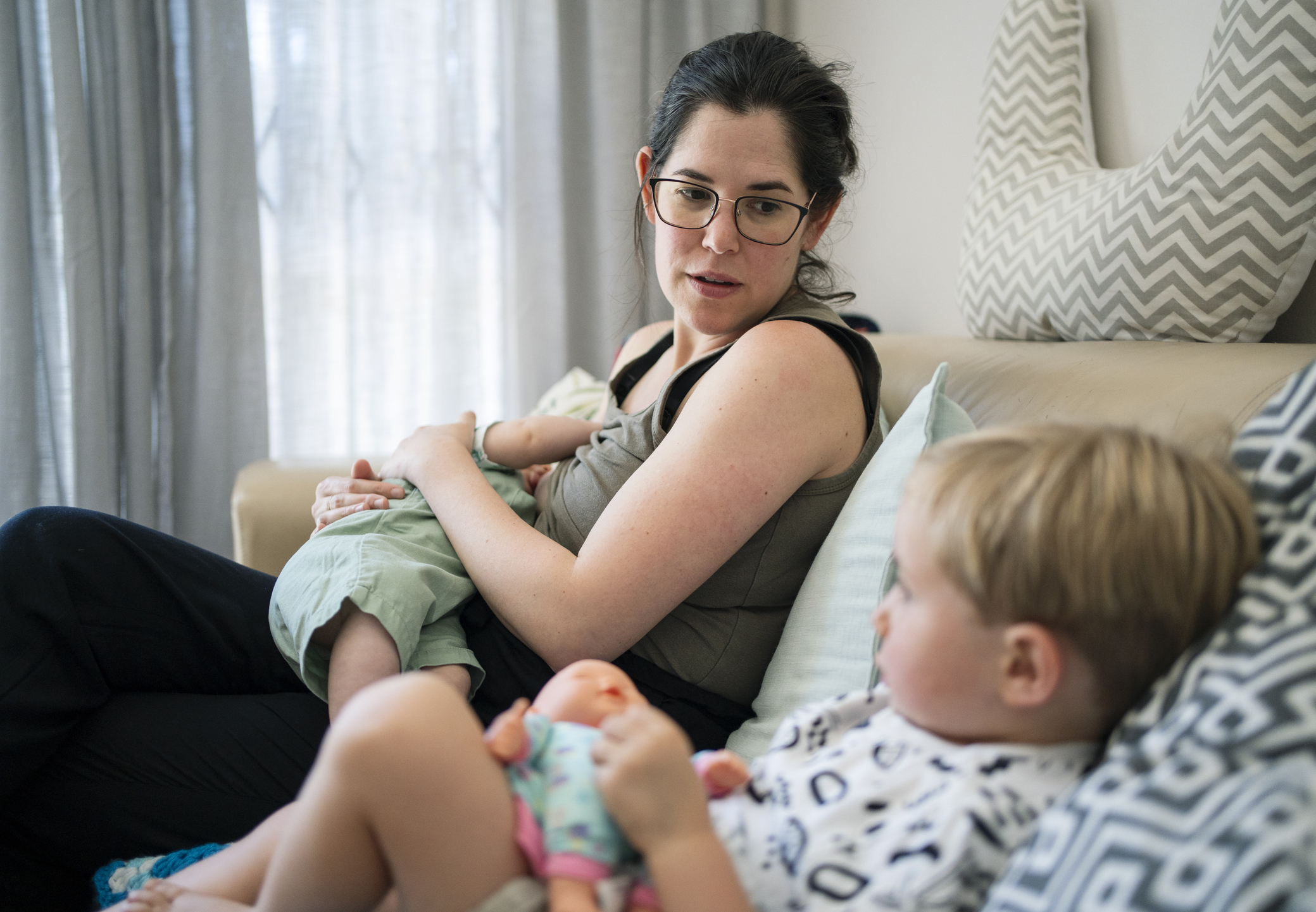
Image: iStock/NickyLloyd.
Perinatal mental health
The Australian Institute of Health and Welfare (AIHW) reports that anxiety is the leading mental health condition experienced throughout the perinatal period, affecting up to one in five mothers, often alongside depression.
The Institute describes the impact of poor perinatal mental health on mother and baby as “significant”.
Assistant Minister for Mental Health and Suicide Prevention Emma McBride said the inquiry would also provide an opportunity to examine mental health support for new and expectant mothers.
“We know that around one in five new and expectant mothers experience perinatal depression or anxiety, and many never receive the support they need,” she said.
“This inquiry is an important opportunity to hear directly from women and families about their experiences, identify gaps in care, and make sure women receive the support they deserve right across out healthcare system.”