Tasmanian nurses and midwives have accepted a deal with the state government, which will pay them in the same league as other Australian states. Although welcomed by unions, one advocate said it wouldn't be "a silver bullet" to the sector's staffing problems.
After nearly a year of negotiations, 80 per cent of members of the Tasmanian branch of the Australian Nursing and Midwifery Federation (ANMF) and the Health and Community Service Union (HACSU) supported the offer.
The deal contained an average pay increase of between 14 and 15 per cent over three years, including a 3.5 per cent rise starting in December of this year, a $1,500 base salary raise, and a $1,000 cost-of-living payment.
There were also changes to entitlements and conditions, such as extended Sunday night penalty rates, increased allowances for staff who undertake a PhD, and a commitment to change the staff ratio model.
Tasmania Premier Jeremy Rockliff said the agreement would help attract and retain nurses and midwives to Tasmania.
"The respective unions indicated there was overwhelming support from members in favour of this offer, which is an excellent outcome following months of productive, good faith negotiations," he said.
"This offer will help decrease the number of unfilled shifts, reduce the need for overtime and double shifts wherever possible, and improve vacancy rates.
"Importantly, the new agreement will also provide nurses and midwives with a range of improved standard leave and conditions, which are consistent with other public sector agreements."
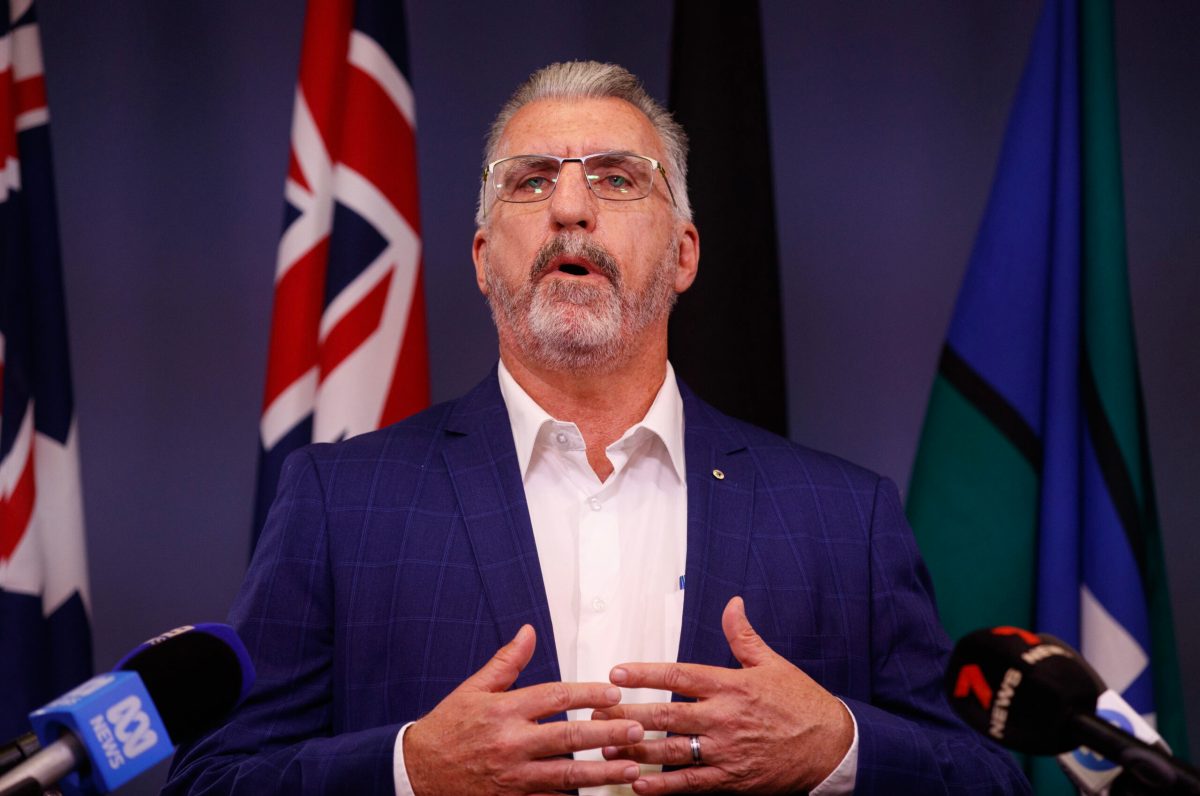
However, the ANMF Tasmania's secretary, Emily Shephard, said the agreement was "not a silver bullet".
"This agreement will now see nurses and midwives in Tasmania paid in line or above the national average," Ms Shephard said.
"It'll also assist in recruitment to fill vacant positions, particularly in regard to keeping graduate nurses here, who might have chosen to work in other states and territories for higher wages."
"We were hearing that members were receiving up to 80 phone calls and text messages outside of their work shifts, asking them to pick up more shifts, work overtime, or help out."
HACSU assistant state secretary Lucas Digney welcomed the pay deal, however, said it did not go far enough to build the next generation of workers.
Last year, the Victorian government announced free uni degrees for 10,000 nurses and midwives.
In August, healthcare workers in NSW were offered $20,000 worth of incentives to relocate to regional and rural NSW.
Mr Digney said the state was unlikely to completely fix its workforce shortages unless Tasmania offered free education.
"There's a lot of evidence around that simply not enough nurses have been trained to fill the vacancies, and it's certainly something that the Tasmanian government should maybe sharpen its pencil and focus on," he said.
"How do we get young people into university to undertake nursing? And then how do we recruit and retain them to work in the public sector here in Tasmania?"