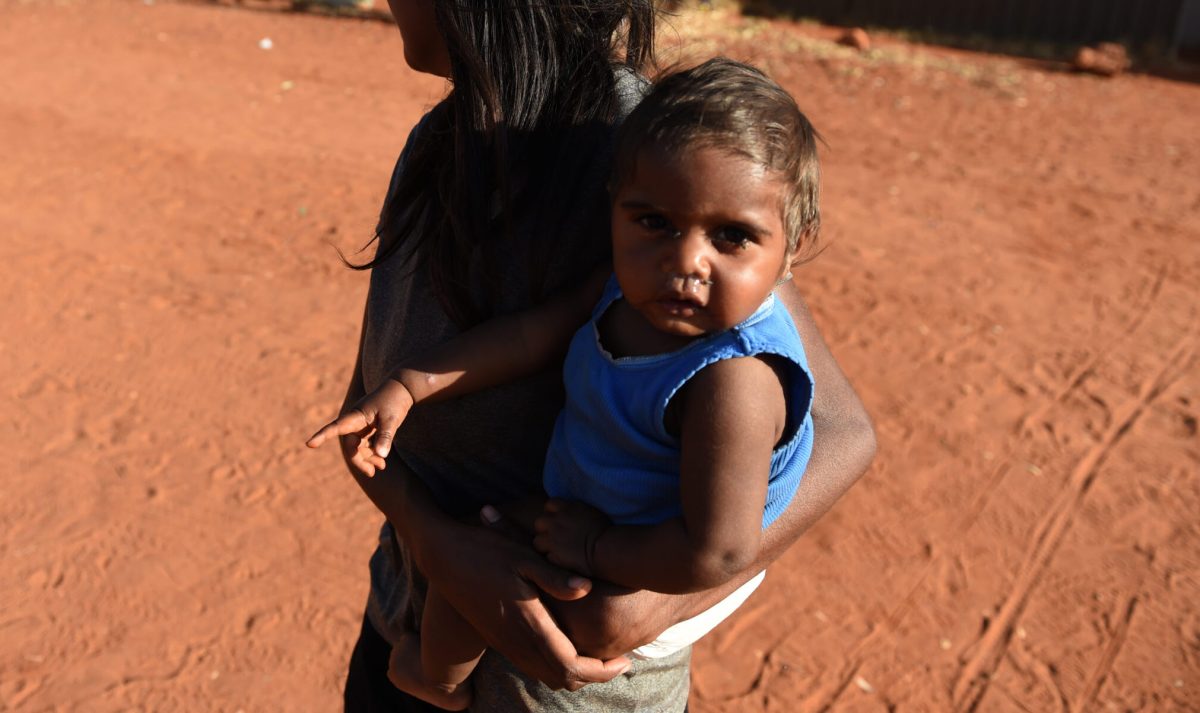
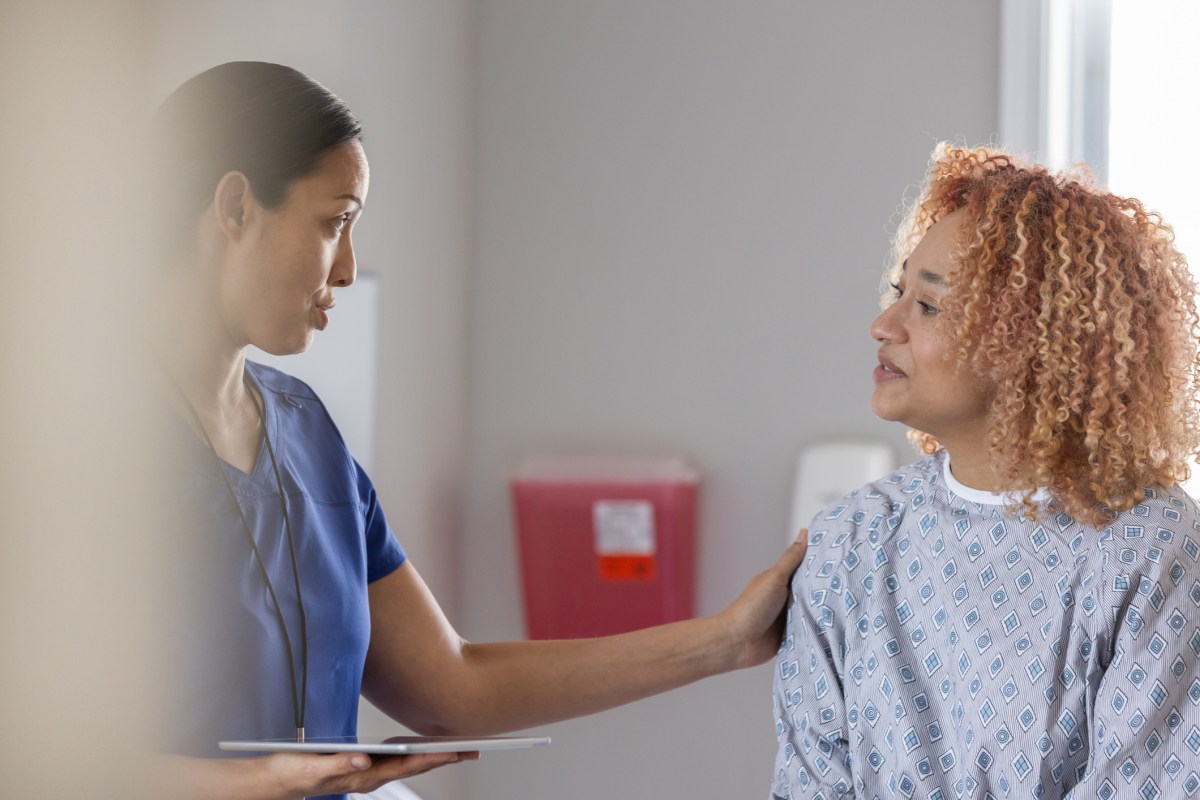
Dr Odette Best, former nurse and pro-vice chancellor of First Nations education and research at the Australian College of Nursing (ACN), told Nursing Review improving unequal healthcare starts with addressing individual bias and racism head on.
"Racism is alive and well. That's the reality ... our research has looked at racism experienced by both Aboriginal and Torres Strait Islander nurses and patients."
The Goren Goreng, Boonthumurra and Yugambeh woman explained these include not asking the most basic questions. Often Indigenous patients aren't asked whether they are Aboriginal or Torres Strait Islander when admitted to hospital. Instead assumptions are made based on appearance or stereotypes.
"Cultural safety lets us understand people can be more than just their ethnicity," she said.
"What still astounds me is the lack of curriculum time [in nursing education] given for cultural safety and learning about Indigenous health," she said.
The Australian Institute of Health and Welfare published a 2018 study that found the burden of disease for Aboriginal and Torres Strait Islander people is 2.3 times that of non-Indigenous Australians, and Indigenous Australians were 2.5 times as likely as non-Indigenous Australians to die early, and 2.1 times as likely to live with poor health.
What are the gaps?
Dr Best stressed that all nurses, not just student nurses, need to be taught about Indigenous health and safety by looking at and addressing their individual biases, along with adopting a genuine interest in culturally safe learning.
"It's about you, your values, your assumptions and your stereotypes. It's not okay to be a nurse or doctor and be racist, misogynistic, homophobic or transphobic," she explained.
"Cultural safety is about looking at your own behaviours and how that impacts the care you give to patients.
"It seems to me a lot of people just don't have an interest in Indigenous health to undertake research around it."
She added that nurses who have completed their study in the last three or four years have been taught about Indigenous-specific healthcare and cultural safety, but she is concerned about nurses who weren't given that opportunity when they were students.
Dr Best said there needs to be online, accessible learning opportunities that are part of nurses' continuing professional development hours, which are opportunities for the remainder of the nursing workforce to catch up and learn about Indigenous health.
"I wasn't taught anything about Indigenous health during my training, I knew it because it's a lived experience for me, but I copped a lot of racism during my nursing training," Dr Best said.
"We also need to support our Indigenous nurses and midwives better, because research shows we also cop racism as healthcare providers.
"We need to have the tough conversations about calling out racism ... because whistleblowing in the nursing profession can be really difficult; we need to provide the skills to be able to call out that behaviour."
All ACN Indigenous curriculum content has to be endorsed by the Australian Nursing and Midwifery Accreditation Council (ANMAC), the regulatory authority that provides annual accreditation and professional development to nurses and midwives.
What is being done
There are a number of different organisations supporting Aboriginal and Torres Strait Islander healthcare, and Aboriginal care training for all health staff has recently been mandated by NSW Health.
NSW Health told Nursing Review that it partners with the Aboriginal Health and Medical Research Council (AH&MRC) to close the gap between Aboriginal and non-Aboriginal people in the healthcare system through mandatory cultural training implemented last year and the 2022-2024 'Closing the Gap' implementation plan.
The plan states it aims to afford long and healthy lives to Indigenous people through addressing the lack of cultural safety in the healthcare system, with the aim to improve life expectancy, birthweight, early childhood development and social and emotional wellbeing.
Closing the gap also includes transforming government organisations into culturally safe bodies, and letting Aboriginal voices come to the forefront and provide care for their peers.
"NSW Health and the health system more broadly are also working to increase the proportion of Aboriginal people in the health workforce across all salary bands as a key factor in improving the access and equity of health services," a spokesperson from NSW Health said.
"A strong Aboriginal community-controlled health sector is central to closing the gap, delivering culturally safe and locally led programs and maintaining continuity of care between primary health and hospital care."
NSW Health said they maintain a strong partnerships with the AH&MRC to create holistic care to Aboriginal and Torres Strait Islander people through local health districts.
Virtual training to support culturally safe learning
The new virtual patient simulator, Shadow Health by Elsevier, aims to combat healthcare inequality for Indigenous Australians by teaching student nurses to tailor care to culturally diverse patients in an interactive environment.
Kayla Cartledge, founder of cultural learning platform Our Songlines and Gurindji woman, was consulted by Elsevier in creating the Wiradjuri Allyra Watts avatar, explaining to Nursing Review that cultural barriers often stop nurses and doctors from understanding the needs of First Nation Australians.
"We've found a lot of the time, [Aboriginal or Torres Strait Islander] patients leave [an appointment] and don't understand what's wrong, or they might be handed drugs or medicine and they don't understand why they're taking it, or what its side effects are," she said.
"It's so embedded that it's considered normal to walk away not knowing what you're doing."
Ms Cartledge said she hopes the character will close this gap in healthcare that so many Indigenous people experience.
"We wanted it to be a younger person who was not the stereotypical Aboriginal person shown in the media. We wanted her to be strong and confident, but still struggling in the health system," Ms Cartledge said.
Shadow Health is available for online purchase to students, educators and institutions on their website, along with more information on the technology.