In Labor's first NSW budget, treasurer Daniel Mookhey makes $13 billion in cuts and savings, and increases a tax on big multinationals to fund a promised $3.6 billion in pay rises for public sector workers such as nurses and teachers.
In his speech, Mr Mookhey emphasised the importance of having a properly functioning health system.
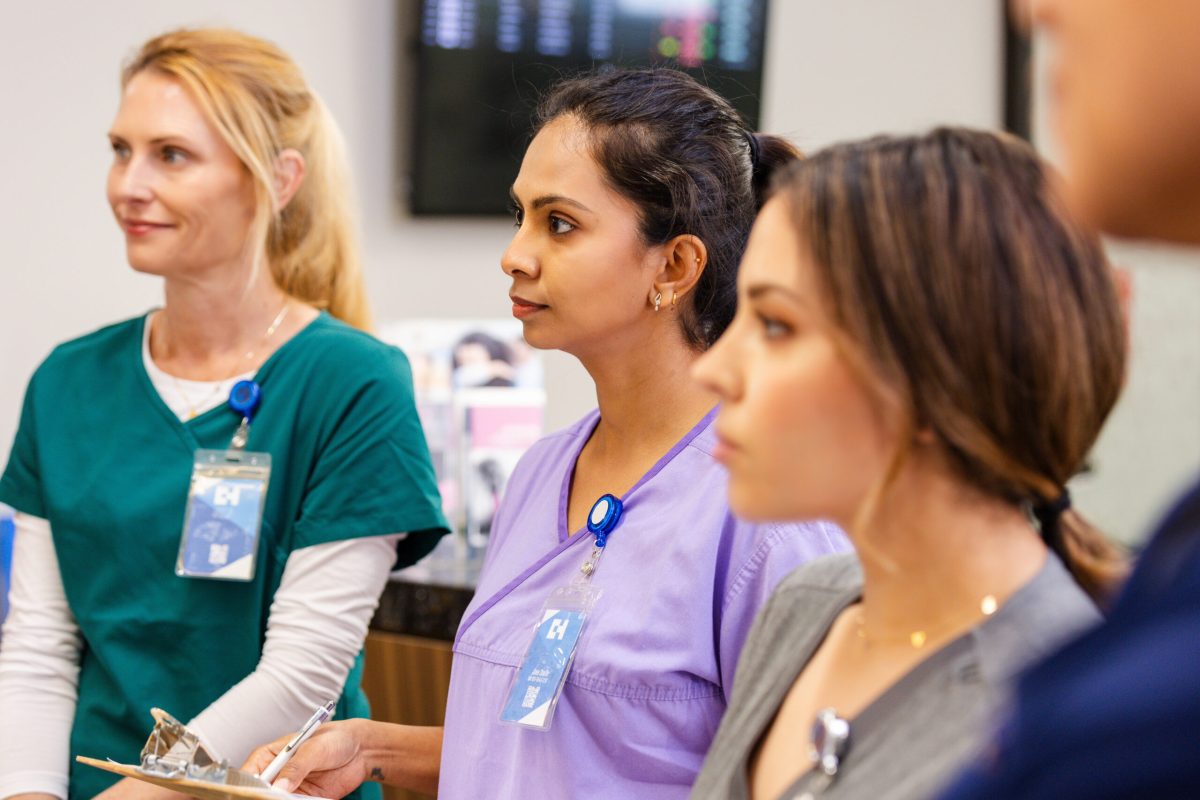
"If we want a world-class health system, we have to train, recruit and retain enough health workers to staff our hospitals," he said during his speech.
"The government will work to rebuild essential services by working to fill labour shortages."
By removing the wage caps at the start of September, the state government will start to introduce a new wage bargaining system, while it's hoped that plans to reform salary packaging benefits for some of the lowest-paid health workers will retain them in the healthcare industry.
Starting from 1 January 2024, there are scholarships to support 12,000 healthcare students, with new students eligible for $4,000 per year, while current students can receive a payment of $8,000 if they stay working in NSW health workforce.
Infrastructure such as hospitals will be "treated as assets", not liabilities, with $13.8 billion set aside for improving and building hospitals.
This is part of the much larger $116.5 billion Essential Infrastructure Plan, which invests in schools and hospitals without privatising public assets.
A further $3.6 billion Essential Services Fund will cover wage rises for frontline workers such as nurses, paramedics, firefighters and teachers, with $572 million allocated to provide permanent jobs to 1,112 nurses and midwives.
Safe-Staffing levels reform starts with this budget for nurses in NSW, with $419 million set aside to hire 1,200 extra nurses for the health system.