Leading health experts across Australia are calling for a national response to an alarming trend emerging among expectant mothers and their babies.
New data show that maternal immunisation rates have been slipping, leaving more pregnant women and infants unprotected.
The Maternal Immunisation in Australia whitepaper, developed by Biointelect, reveals that the drop has coincided with a spike in serious illnesses, including whooping cough and measles, which pose significant risks to newborns and their parents.
Rochelle Oei-Hicks, a general practitioner, knows better than most the importance of vaccination, but despite her medical background, the mother from Orange, in NSW, missed one crucial vaccine.
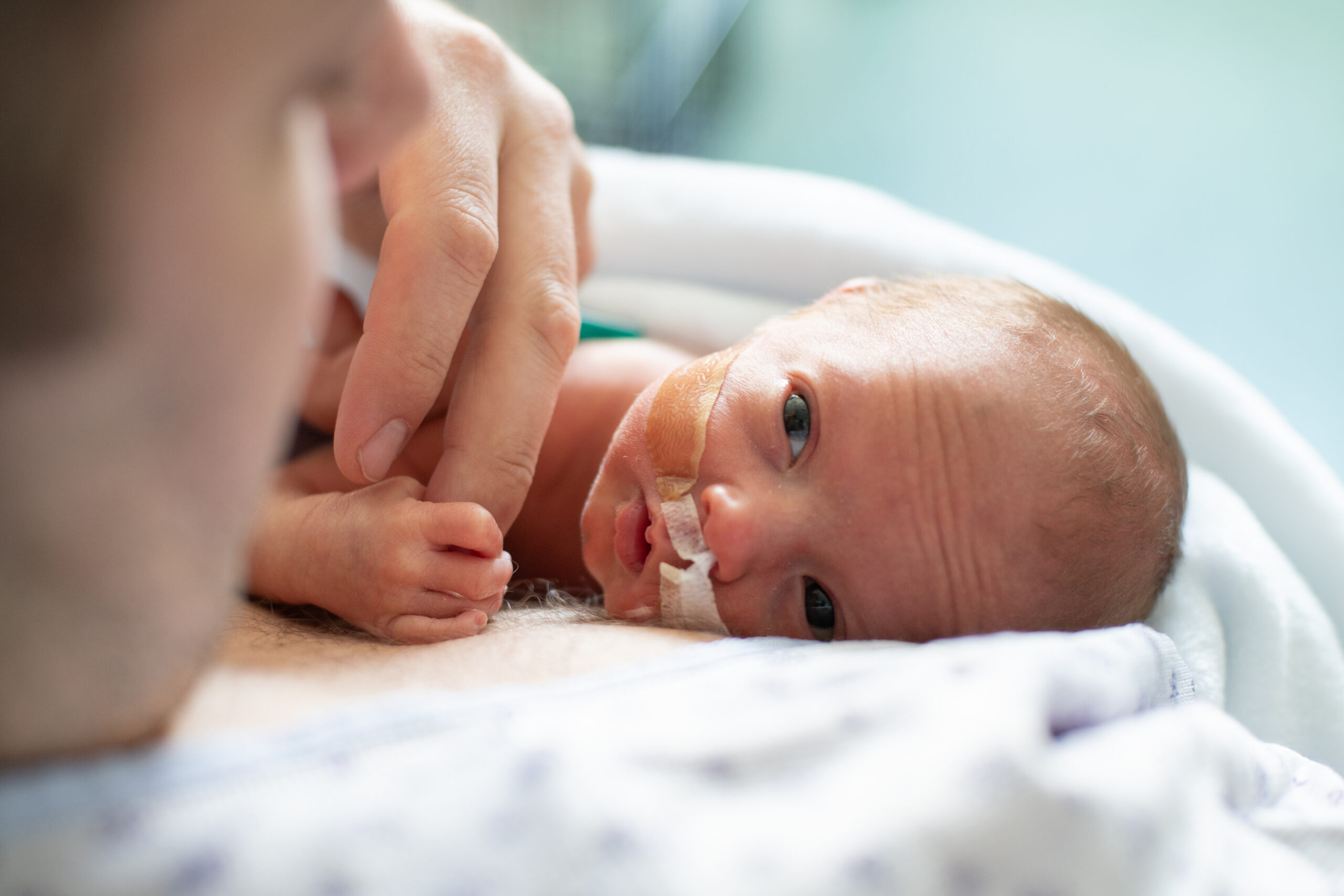
Dr Oei-Hicks walked out of the hospital’s maternity ward with her baby in her arms, only to return with him to the emergency room 12 days later as he struggled for breath.
Her newborn son spent more time in hospital fighting RSV (respiratory syncytial virus) than he had been alive.
“If I could, in hindsight, have gone back and paid that $300, maybe we wouldn’t have had to be separated from family for 15 days. I wouldn’t have had to watch on as Zach was on a respiratory machine for support to breathe,” Dr Oei-Hicks told news.com.au.
“It definitely wasn’t the maternity leave I had hoped for or expected.”
That $300 was for an RSV vaccination she had not even been aware of. It hadn’t been publicly funded and was only available privately.
Although it was recommended from 28 weeks of pregnancy, the vaccine was only mentioned to her after her son Zach was admitted to the hospital with RSV.
It’s understood that less than half of Australian women who are pregnant receive both the recommended influenza and pertussis (whooping cough) vaccines.
Last year, Australia saw 57,000 cases of whooping cough -–the highest number since disease surveillance began in 1991.
Experts fear that the spike in illnesses, combined with lower vaccine uptake, could lead to more infants gasping for air.
There is currently no public data available on RSV vaccine uptake.
Clinical midwife Angela Brown believes that lowered rates could be down to vaccine fatigue following the coronavirus pandemic.
“There is some vaccine hesitancy post-Covid, there’s a little bit of misinformation that people have access to from friends, family and from the internet, so I think those sorts of factors impact it,” Ms Brown told news.com.au.
But she also says parents want the best for their babies, but don't always know how to get the access they need.
Dr Oei-Hicks had received all of her scheduled immunisations throughout the course of pregnancy, but the RSV vaccine wasn’t on her radar. She puts that down to several reasons.
“In lots of conversations that I’m having with doctors and midwives, they’re not clear about what the guidelines are for the immunisations for expecting mothers,” she said.
“If we don’t know as health professionals, how are we supposed to convey the right information to the public?”
Many in the health industry are under-resourced, time-poor, and recommendations vary depending on the state you live in.
Dr Oei-Hicks believes there’s a systemic gap.
“We need to have a co-ordinated approach from federal down to the state governments so that we can improve access and ensure that we give the right information to health professionals, which can then be relayed to expectant mothers,” she said.
Ms Brown says that’s why the industry is calling out for national targets to protect babies.
“We’re really keen to have some benchmarks,” Ms Brown said.
“What we really want is all health care providers that have contact with pregnant women being equipped to be able to provide that vaccination information. That way we can really target everyone and make sure that no one slips through.”