This Wound Awareness Week, the Australian College of Nursing (ACN) is urging the federal government to prioritise nurse-led models of care, asserting they are crucial for improving access to holistic wound management.
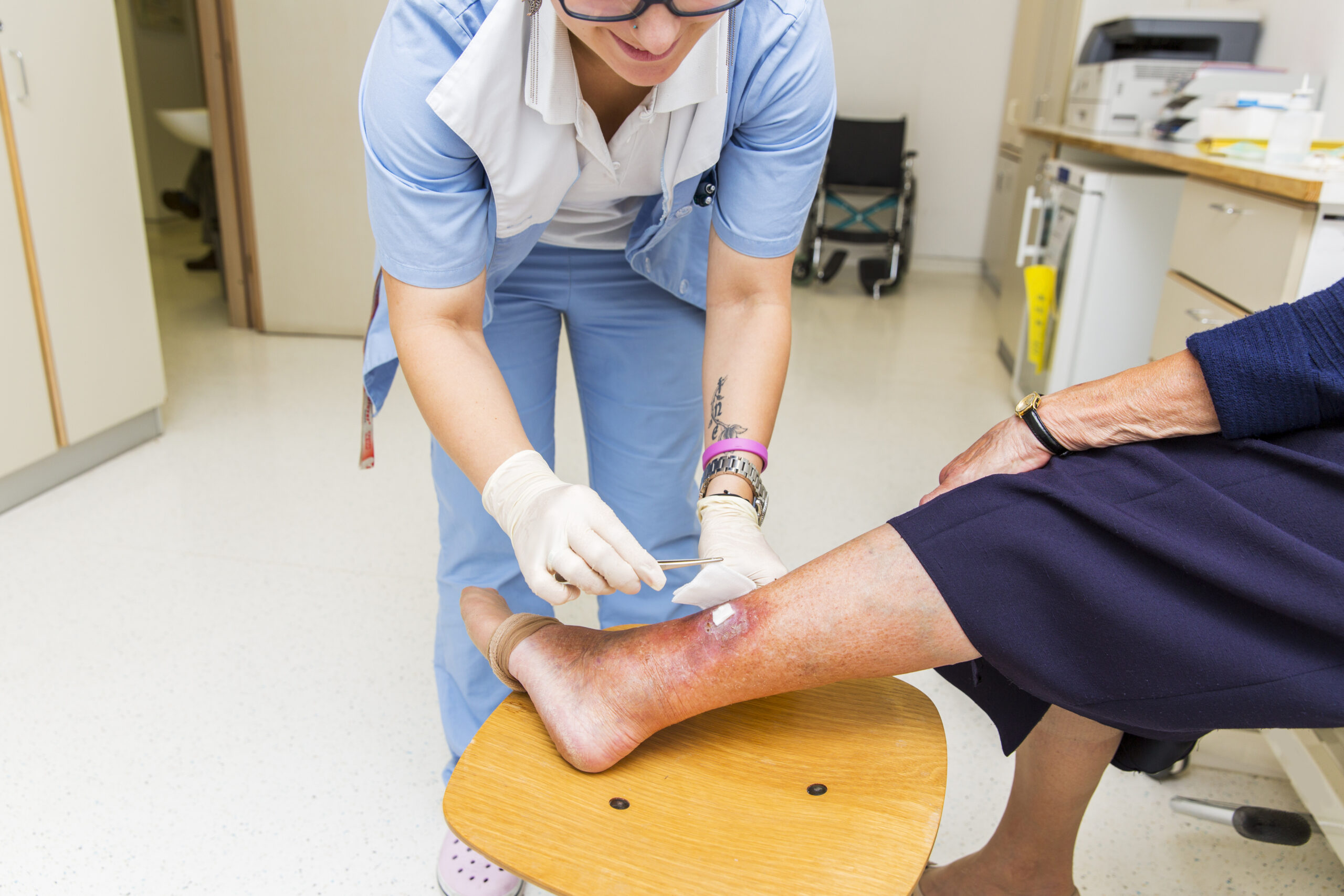
Chronic wounds continue to affect nearly half a million Australians, and despite nurses being the primary caregivers for these complex conditions, current Medicare rebate structures prevent them from independently billing for wound care.
The College says this barrier stifles the development of accessible, nurse-led services, and doesn’t recognise the profession’s expertise.
ACN chief Adjunct Professor Kathryn Zeitz FACN said nurses’ comprehensive understanding of patient needs and wound progression uniquely positions them to deliver effective ongoing care.
“Nurses are the healthcare profession that spends the most time directly caring for people with chronic wounds,” she said.
“In hospitals and in primary care settings, nurses – such as wound clinical nurse consultants – often take lead responsibility in the multidisciplinary team for managing ongoing wounds, such as venous or arterial leg ulcers, diabetic foot ulcers, and pressure injuries.”
As chronic wounds can profoundly impact an individual’s life, affecting mobility, mental health, and social engagement, ACN is pressing the government to swiftly implement recommendations from last year’s Expert Advisory Committee for the Scope of Practice Review, which advocated for reforms to foster innovative care models.
While advocating for further change, Professor Zeitz acknowledged existing government initiatives, including the Chronic Wound Consumables Scheme, which covers dressing costs for eligible individuals, and funding for the ACN wound care scholarship for nurses and First Nations health workers.
“But now is the time to take the next step and enable the establishment of nurse-led wound care models to provide the essential holistic care that is lacking for people with chronic wounds,” she added.
“Nurses know that chronic wounds run more than skin deep. They can affect every facet of a person’s life.
“We can do much better for our population experiencing this debilitating condition and provide the holistic support they need to put non-healing wounds on the right track.”
The ACN envisions a future where more nurses can operate their own wound-care clinics, not only enhancing specialist access but also elevating the visibility of chronic wound issues within the health sector and community.
Chronic Wound Consumables Scheme
The Australian Consumer Insights into Wound Care Report 2024 by Wounds Australia found that many Australians have little understanding of how to treat wounds and how they become chronic.
The report revealed that 50 per cent of people don’t recognise recurring wounds as a chronic condition, that one in three mistakenly believe wounds should be left to dry out, and that almost one in five (18 per cent) avoid seeking care due to cost.
The national Chronic Wound Consumables Scheme (CWCS), announced in June, fully subsidises wound care products for the country's most vulnerable, including people with diabetes aged 65 or older and First Nations people over 50.
In a recognition of the significant costs for individuals associated with chronic wound care – around $4,000 per year – the Albanese Government has invested almost $50 million in the scheme.
“The Chronic Wound Consumables Scheme is an innovation program that will help a vulnerable group in our society with the cost of their treatment,” Wounds Australia chief Jeff Antcliff said.
“It's a crucial first step towards helping more Australians living with chronic wounds on a path to healing.
“We acknowledge Minister Butler and the Albanese Government for bringing the scheme to life and we hope to see it expanded to help even more people in the future.”