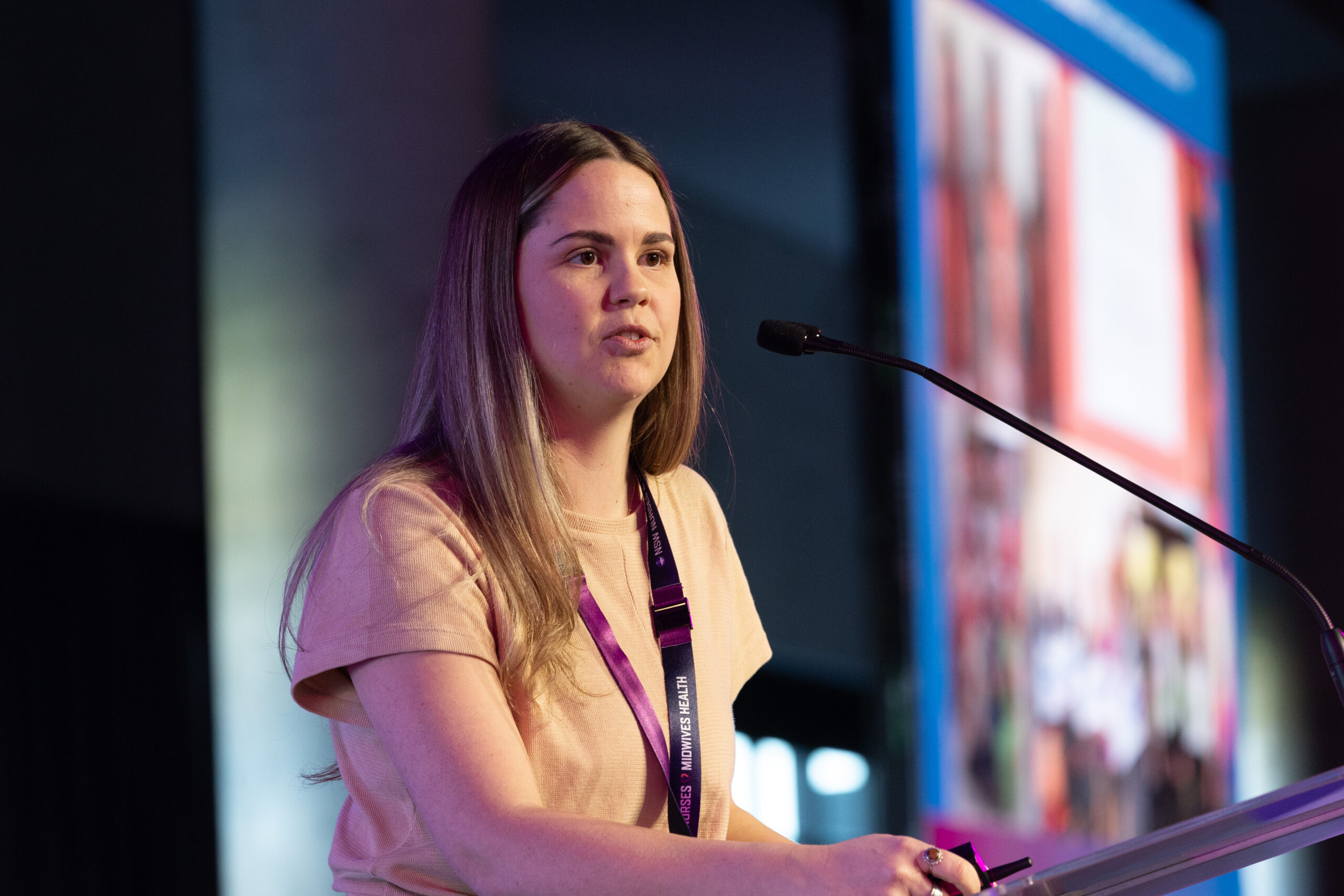
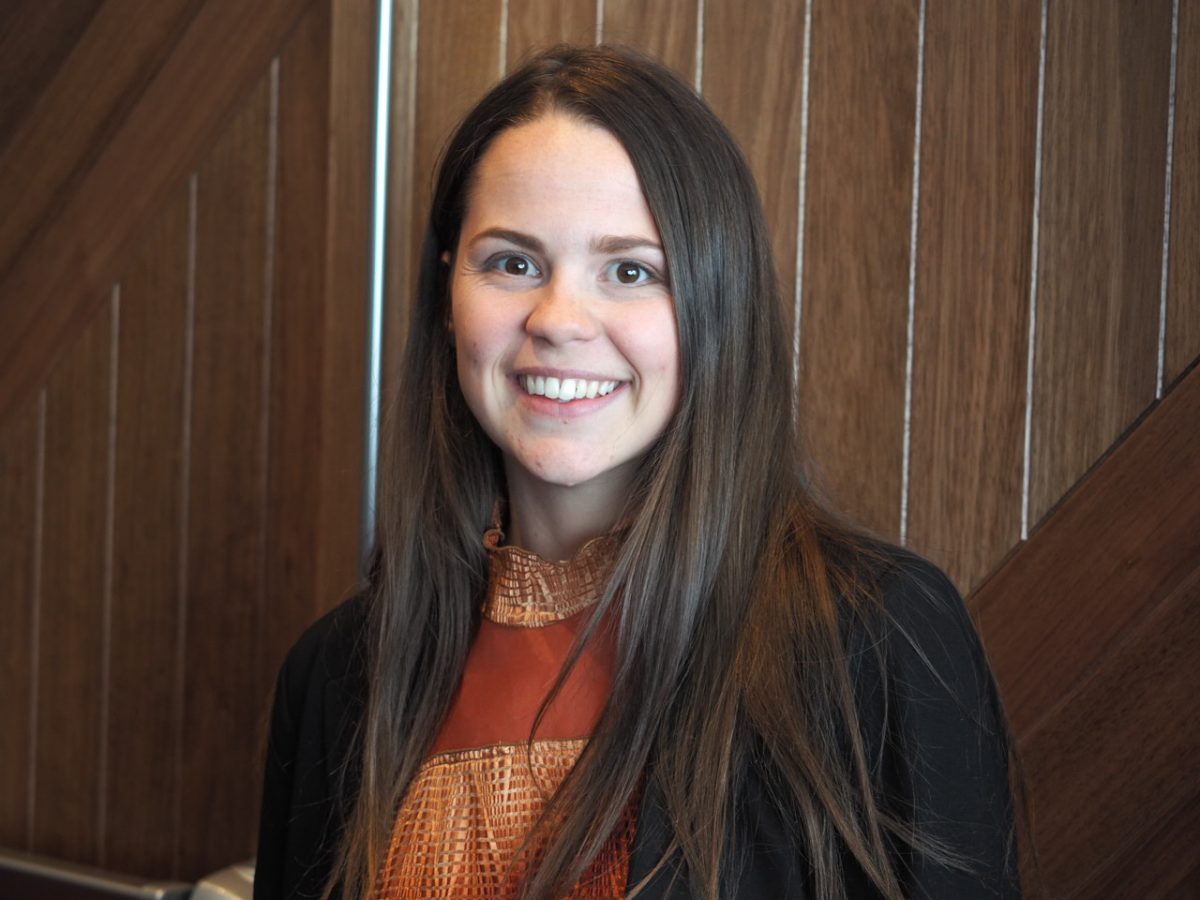
Newly appointed Australian Nursing and Midwifery Federation (ANMF) federal assistant secretary Catelyn Richards speaks with Nursing Review about leadership, climate change, aged care reform and what members can expect from her in the years ahead.
Nursing Review: How are you feeling about taking on the new role?
Catelyn Richards: It's a very big privilege to be working in the role, and I feel deeply honoured to be appointed. I also feel a sense of responsibility to the 356,000 members that the ANMF serves across the Federation.
What kind of leader do you want to be, and what values guide your approach to leadership?
CR: I’ve been fortunate to undertake extensive leadership training through the University of Tasmania, the Australian College of Nursing’s Emerging Nurse Leader Program, and the Westpac Future Leaders Scholarship. Through all of those supported programs, I’ve had time to reflect on various leadership styles, and how different leaders approach different challenges and problems.
I really identify with and aim to practice a servant style of leadership.
That model focuses on understanding the needs of the community and serving those needs. In the ANMF, our work is about identifying where nurses, midwives and carers need support, what barriers exist in their workplaces, and then advocating — sometimes for years — until the job is done.
We keep the fight alive for the members.
That’s the type of leader I want to be; someone with patience, courage and tenacity to not give up until the job is done.
But also, being a registered nurse, I also want to bring workplace principles of humility, compassion and deep listening into my leadership.
What systemic changes do you see as the most urgent for strengthening and stabilising the Australian nursing and midwifery sectors?
CR: There are so many things that would make a difference that it’s hard to narrow down.
The ANMF branches do incredible work towards solving sector issues and to achieve better conditions for nurses, midwives and carers relevant to their local areas.
Every single one of those sites — whether it be reforming entitlements or advocating for things like better staffing and staff resourcing — are really, really important.
At the federal level, investment in primary health and optimising working conditions so that nurses and midwives and carers can work to their full scope of practice and expand their capacity under existing arrangements, is critical.
We also need sustained investment in aged care. And I’m very conscious of external pressures — digital transformation, international conflicts, maintaining trust in science, and of course climate change.
All of these shape how we deliver care in an evolving landscape.
You were the ANMF’s first Climate Change Officer. How will that experience shape your priorities going forward?
CR: Climate change wasn’t something I always cared about; I was first and foremost a nurse and became a nurse because I really wanted to be able to share skills that created good within my community.
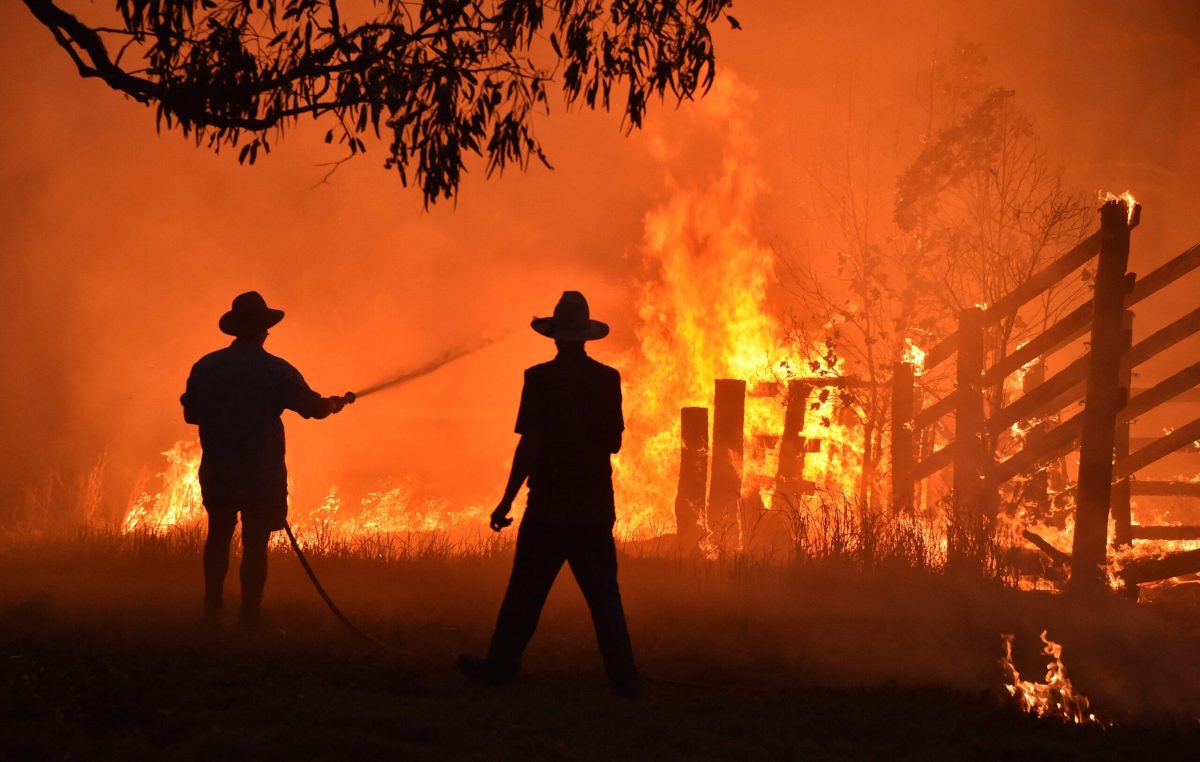
However, working as a paediatric nurse made the impacts of climate change impossible to ignore — air pollution, asthma exacerbations, extreme heat — the National Climate Risk Assessment shows health and community services will be among the most severely impacted sectors, which means nurses, midwives and carers will be among the most affected workers.
We’re in every corner of every community, so we see these impacts firsthand. That also means we have a substantial role in minimising risk and responding to threats.
I see a real role for nurses to be at the forefront of calling for action on climate change, not just for their own work, but also for the health of the community.
In this new role, I’ll continue advocating for climate action, but I’m also focused on workforce resilience, creating stable working environments and consistent work for nurses, midwives and carers, so that they are more resilient when they see climate change impacts affecting their work.
Many of our members are finding it increasingly difficult to find housing that’s close to where they work, and that is only going to be exacerbated by threats of climate change, like flooding and other extreme weather events.
Climate change also has social justice and regional security implications, so there’s a lot to consider.
What do you see as the biggest opportunities for the Federation to shape health and aged care reform in the coming years?
CR: Before this role, I was an organiser in the aged care sector in rural Tasmania, and I was involved in advocacy around achieving better resourcing, mandated care minutes and access to registered nurses 24/7.
While progress has been made, there’s still a strong opportunity to ensure residents receive the care and dignity they deserve. Making sure the federal aged care legislation works as intended is a big priority.
I also see opportunities in scope‑of‑practice reforms, including prescribing. There are exciting developments happening, and I think we’ll see more to come.
Nurse‑led, nurse practitioner‑led and midwifery‑led models of care are also areas where we can make real gains, enabling nurses and midwives to work to their full scope.
What can members expect from your leadership in 2026 and beyond?
CR: There are reforms I’ve benefited from — like university‑based nursing education — that earlier generations fought for, and I didn’t even realise it at the time.
I hope to help create reforms that future nurses, midwives and carers, decades from now, will benefit from without necessarily knowing we had to fight for them.
In terms of my leadership, I think that looks like securing entitlements and better working conditions, addressing housing challenges, strengthening pathways in primary and aged care, and ensuring members see their role in climate resilience recognised and supported.
Above all, members can expect a leader who listens to and who will hold myself to the expectations and the needs of our community. That’s what creates better outcomes — working together and putting forward solutions that serve all of us.