Australian hospitals are expected to face an ongoing shortage of critical IV fluids until at least the end of the year, with reports that healthcare providers are paying up to 10 times as much for imported substitutes.
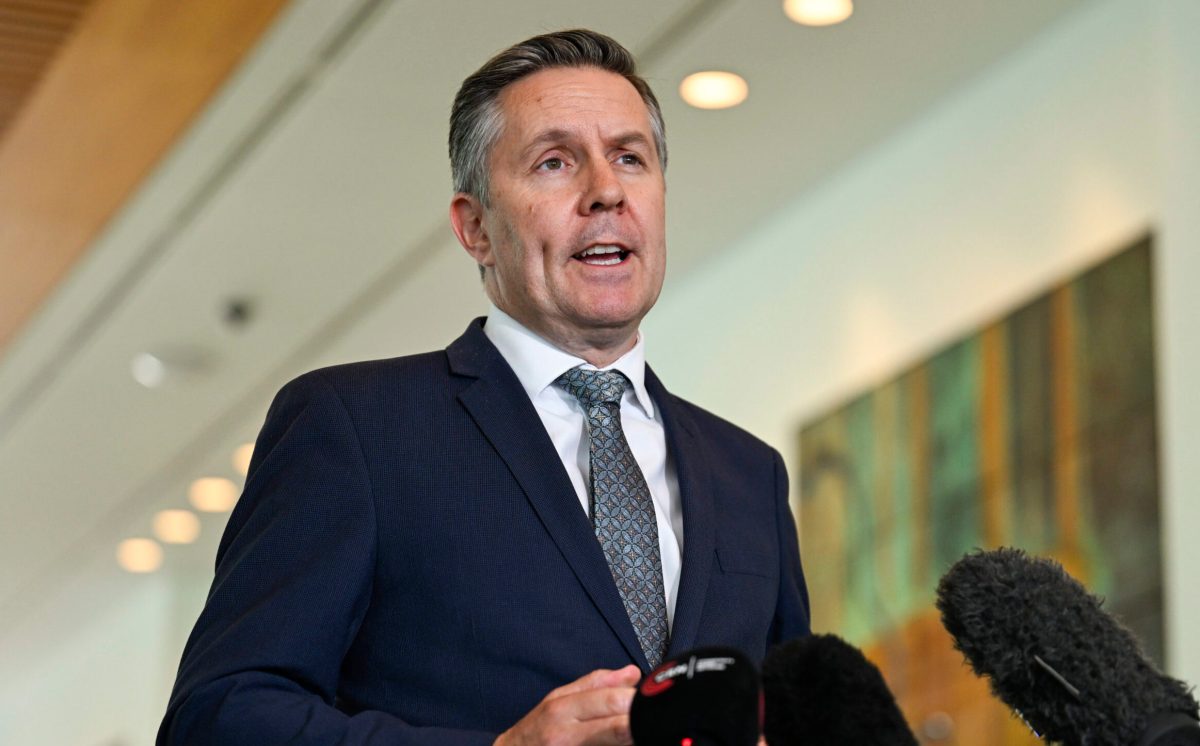
Health ministers, including federal minister Mark Butler, met in Sydney on Friday to discuss the shortage of intravenous fluid.
“Ministers noted the global supply limitations of IV fluids due to unexpected increases in demand and manufacturing capacity constraints,” they said in a statement.
“Shortages of IV fluids, while easing, are expected to continue through 2024.”
A new emergency response group, based in Victoria, has been set to collaborate on the resolution of the issue.
The group will meet at least weekly while the supply remains constrained and will work to ensure a coordinated national approach to the distribution of IV fluids across the country, including working with manufacturers and distributors to procure supply.
Hospitals are being forced to severely ration intravenous fluids for critically ill patients, postpone inductions of labour, and deliver medications by alternative injection methods.
Australia Medical Association (AMA) president Professor Steve Robson said he was glad health authorities were seriously addressing the problem.
Professor Robson told Sky News on Friday that patients with upcoming procedures should not worry, as he had not heard of any care being affected because of the shortage but urged for plans to be put in place for any future shortage of critical medical supplies.
He said IV fluid supplies were “well and truly on the way”, but Australia couldn’t take its “eye off the ball”.
The AMA president said the main issue was the uncertainty around supply, which drives stockpiling and increases difficulty for hospitals to effectively plan for the care they are providing to patients.
“This task force is exactly what the doctor ordered in this situation and it’s going to enable some transparency,” Professor Robson said.
“At a global level, for reasons nobody really understands, a number of countries around the world have been ordering increased numbers of bags of intravenous fluids and Australia’s at the end of a very long logistic chain.
“We can’t just drive them around the corner, a lot of manufacture goes on in the northern hemisphere and they have to be shipped to Australia, so logistic problems in transport have also been contributing to the crisis at the moment.”
The Therapeutic Goods Administration (TGA) reported the supply issues on July 26 and puts the shortage down to "global supply limitations, unexpected increases in demand, and manufacturing issues," approving the importation and supply of overseas-registered substitutes.