Expectant mothers will have access to free vaccines against respiratory syncytial virus (RSV) from next month under a major expansion of the National Immunisation Program (NIP).
RSV commonly causes respiratory infections in people all of ages, but is especially dangerous for infants, particularly when they have heart, lung or immune system problems.
Inoculating pregnant mothers can provide up to six months protection for their babies.
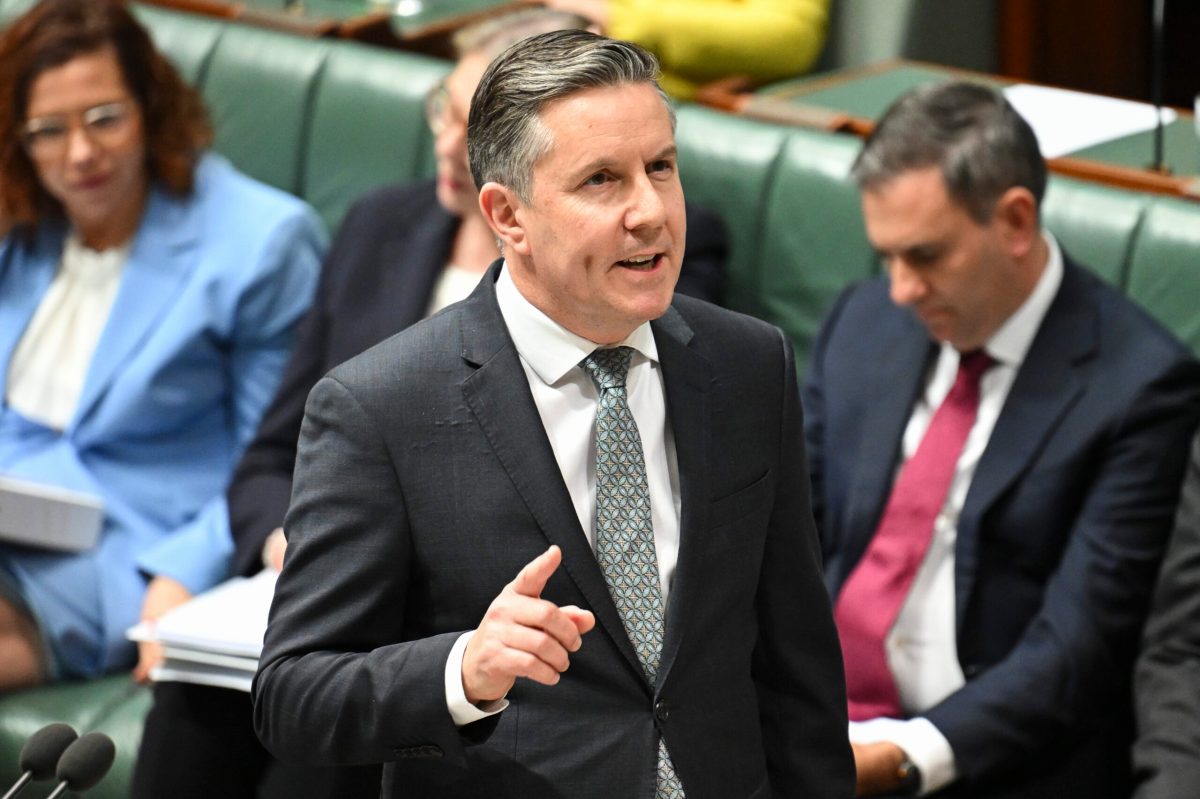
Health Minister Mark Butler said on Sunday the $174.5m move was “world-leading”.
“Almost all infants will get RSV in their first two years,” he said.
“From February 3, mums and their newborn bubs will have free access to the best and most comprehensive protection against RSV.
“This is a world-leading approach to reduce the impact of RSV on babies.”
Minister Butler said the new cutting-edge vaccine, Abrysvo, is central to the government's protection plan and is now listed on the National Immunisation Program.
“Our combination approach, in partnership with each state and territory, will ensure that every single infant in Australia is protected ahead of the winter RSV season.”
Women who are 28-36 weeks pregnant will have access to the Pfizer-made vaccine, which would normally come at a cost of up to $300.
Adelaide Women's and Children's Hospital, Vaccinology and Immunology Research Trials Unit, medical director Professor Helen Marshall AM said the program will help to alleviate what is commonly a very difficult time for many Australian families.
“RSV is a really nasty virus,” she said.
“Babies develop a fever, a cough, and can also get a nasty wheeze as the virus infects the cells of the nose, the throat and the lungs.
“This results in rapid breathing for the baby. As you can imagine, with rapid breathing, it's very hard for a baby to feed as well, and so you get the problems of not only rapid breathing, but inability to feed properly, and that baby ending up in hospital, requiring oxygen, sometimes even needing to be ventilated, but also to assist with feeding.
“Being able to provide pregnant women with a vaccine – and we know that pregnant women do want to be vaccinated, where the virus is actually going to affect their baby, potentially – [so] that pregnant women will develop antibodies to the vaccine. Those antibodies are transferred through the placenta to the newborn developing baby, so that as soon as that baby is born, they are protected, have protective antibodies against the nasty RSV virus.”
Founding director of the Immunisation Foundation of Australia, Catherine Hughes, said the increased maternal vaccination would slash infant hospitalisations by 10,000 per year.
“This is a huge milestone to help protect infants from RSV and will provide long-awaited support for many Australian families,” she said.
“Australia leads the world with some of the highest maternal vaccination rates, and I expect that to continue with the introduction of a maternal RSV vaccine.”
Read more: