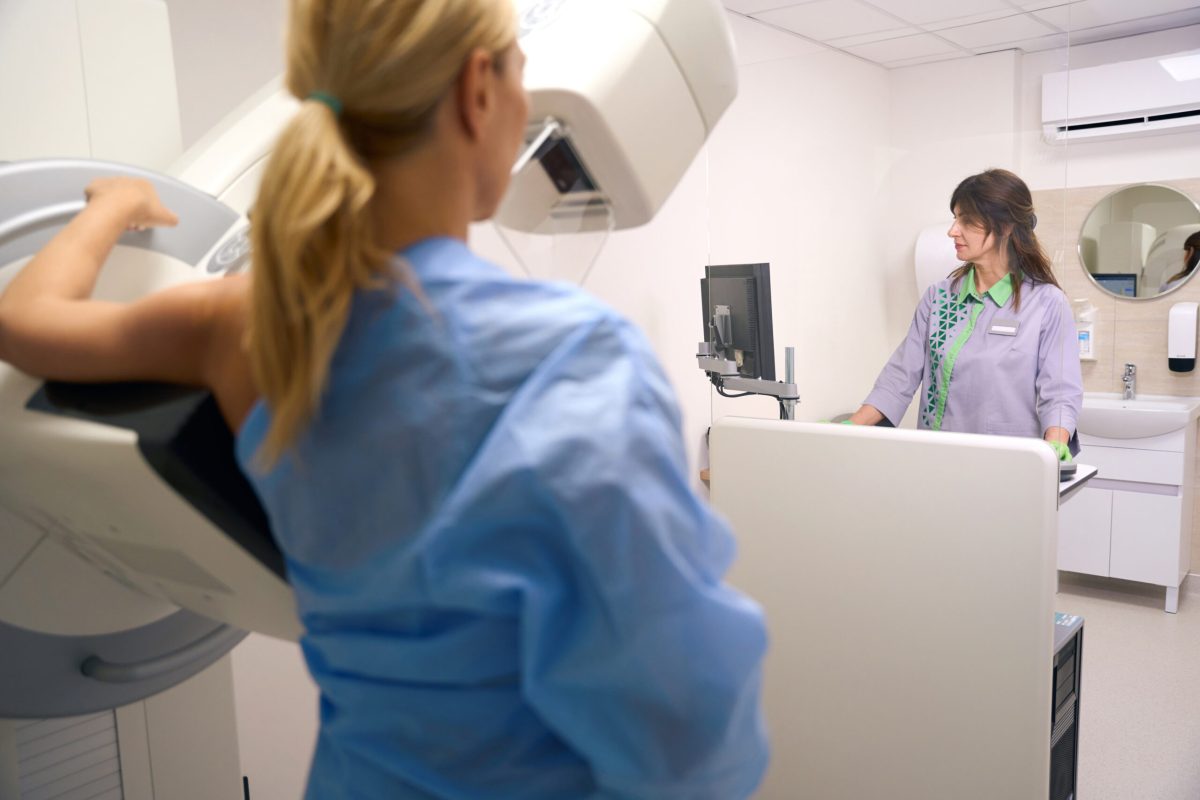
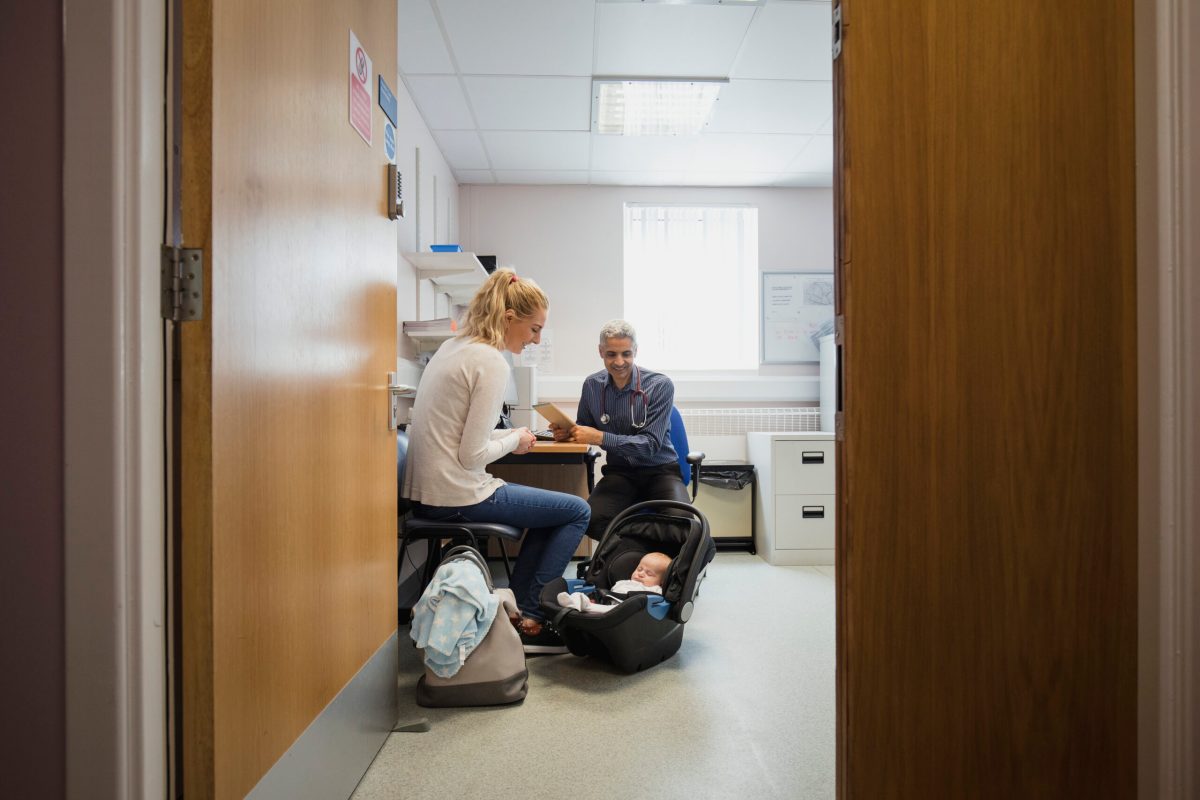
Registered nurses and aged care workers have been flagged as the occupations most likely to grow in-demand by 2025.
A report from the National Skills Commission (NSC) released last week said demand for health staff will rise by 40 per cent over the next four years.
This would mean Australia will need to fill nearly 50,000 nursing positions and around 54,700 roles in aged and disability care.
"Over the next five years, we anticipate around a quarter of new jobs to be in the health care and social assistance sector," NSC chief Adam Boyton said.
"In fact, the two occupations [nursing and aged care worker] alone are likely to account for 10 per cent of all the new jobs created by 2025."
The growth and demand for healthcare workers are due to coincide with a vast reduction of working-aged Australians.
In 1980, there were 6.6 people of working age for every person aged 65 and over.
There are currently four people fit to work for every older person in Australia as of 2023.
"The impact of this combination of factors is already being seen," Boyton said.
The NSC report predicted that by 2060, there will be only 2.7 Australians to care for each older person over 65.
Earlier last year, the NSC released the Care Workforce Labour Market Study, commissioned by the Morrison government to examine Australia's care sector.
The study foreshadowed a shortfall of over 200,000 full-time care workers by 2050.
"These findings show the growth in the care and support workforce has been three times faster than
total employment across the Australian economy," the study said.
"This reflects the ongoing increase in demand for care and support in our country."
Boyton said that many care and health sector roles are "hard to automate as they are very human-centric."
"The level of skill required for these jobs reflects our analysis that the majority of growth will require more study after school," he said.
"It means that we must be prepared to reskill and retrain at many points across our lifetimes to navigate these trends in the job market."