A leading academic in domestic violence prevention has underscored the influence of stigma towards abuse among people seeking healthcare support.
In Australia, nearly eight women and two men are hospitalised daily due to spousal or partner assault.
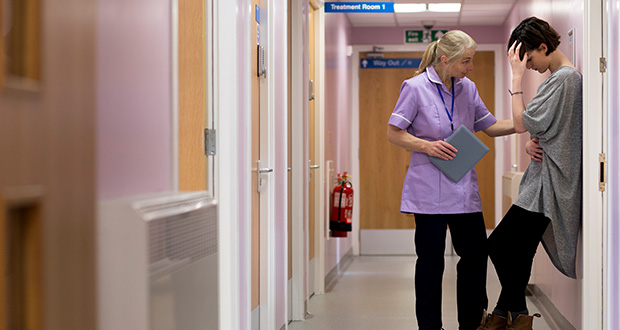
Chair in Family Violence Prevention at the University of Melbourne and the Royal Women's Hospital, Professor Kelsey Hegarty, said that nurses frequently interact with survivors of domestic and family violence, often without realising it.
"Domestic violence is a major public health problem," Professor Hegarty said.
"It's a hidden issue for many patients seeking healthcare services.
"It's important to realise that people who have been abused want to be asked about domestic violence and are more likely to disclose if asked."
Family, domestic, and sexual violence pose significant health and welfare challenges and affect people of all ages, socioeconomic backgrounds, and demographics.
While predominantly impacting women and children, it involves violence within family relationships, including between parents and children, siblings, or partners.
Domestic violence specifically refers to violence between current or former partners and includes physical, sexual, and emotional abuse and controlling behaviours.
Women are at higher risk of family, domestic, and sexual violence, often from their current or former partners, while men are more likely to experience violence from strangers in public places.
In Australia, one in six women and one in sixteen men have faced physical and/or sexual violence from a cohabiting partner since age 15.
These acts of violence tend to be recurring, with more than half of women experiencing multiple incidents.
Professor Hegarty said biased attitudes towards women persist among Australians, impacting their likelihood of seeking help.
In 2021, one in four Australians believed that a woman who stayed with an abusive partner was partially responsible for the abuse continuing.
Moreover, nearly one in four agreed that innocent remarks were often misinterpreted as sexist, and 34 per cent thought sexual assault accusations were sometimes used to retaliate against men.
Sexual assault and emotional abuse are also highly prevalent in Australia, affecting one in five women and one in twenty men.
On average, 52 sexual assaults against women and 11 against men are reported each day to the police.
Yet, Professor Hegarty said many people wrongly assume that men and women are equally responsible for domestic violence (41%) and experience the same amount of physical harm (21%).
Many downplay violence against women as a normal response to daily stressors (23%), while others believe a woman's actions can unintentionally provoke a man to hit her (19%).
She said it reflected a lack of awareness regarding gendered norms and biases contributing to gender-based inequalities and violence against women.
"Many women experience embarrassment and shame, often blaming themselves for their encounters with domestic violence.
"As a result, they may feel hesitant to open up about their experiences.
"When nurses approach the topic with empathy and without judgement, patients are more likely to share their stories."
While health practitioners are the most common professional group people turn to for support, some nurses may also hold biased beliefs about domestic violence.
Professor Hegarty said nurses faced both personal and structural barriers when identifying domestic violence cases.
Structurally, issues such as lack of privacy, limited time for questioning, and inadequate system support can hinder their ability to help people seeking support.
On a personal level, nurses may consider it a private matter or believe it falls outside their responsibilities.
Professor Hegarty said overcoming these barriers required systemic changes to the healthcare system, improved training and resources for healthcare workers, and challenging societal stereotypes.
"Silence only perpetuates the cycle of violence," she said.
"It's time to break it with our voices and stand up against domestic abuse.
"We need to empower our nurses to identify and support domestic violence survivors."
Yet, Professor Hegarty said it could be challenging to recognise the signs that someone is experiencing domestic and family abuse.
"Many survivors present at healthcare services with other complaints, without disclosing there's a background of domestic violence," she said.
Mental health issues frequently coexist with instances of domestic violence, as do chronic pain conditions that stem from trauma and abuse.
According to Professor Hegarty, chronic pain conditions can be rooted in trauma and abuse, emphasising the close link between physical and emotional wellbeing.
"Creating a supportive and empathetic environment is essential for survivors of domestic and family violence to feel comfortable disclosing their experiences," she said.
"Nurses can play a crucial role in addressing domestic violence if given the opportunity for private conversations.
"But we must provide our healthcare workers with more resources and a better understanding of how to recognise and respond to domestic violence."
She said hospitals may have trained managers who can provide guidance or consult with the social work department to offer direction.
Professor Hegarty emphasised the need to build a trauma and violence-informed healthcare system that better prepared healthcare workers.
She said interventions such as validation, safety planning, and supportive listening could make a significant difference in survivors' lives.
"Addressing domestic violence is not just a moral imperative; it's a fundamental health issue that requires a comprehensive and coordinated response.
"Being an ally and advocate for survivors, without aiming to 'fix' the problem, is essential in addressing domestic and family violence.
"By promoting respectful relationships and gender equality, we can work towards a future free from domestic violence."
Crisis services and helplines such as 1-800-RESPECT are available to provide urgent advice and support.