Marilyn Laws was prepping her backyard for a Christmas party last year when she tripped over and hurt her arm.
Her husband rushed her to the emergency room, where she later underwent surgery for a broken forearm.
Four months later she got a call from a clinic and was told that she was a prime candidate for osteoporosis, a condition that causes severe bone loss.
“I went off to have a bone density scan, and the next week I went to see the specialist and she gave me my results on a chart, and I was off the scale,” said Marilyn.
“Basically, I was a walking time bomb.”
“I could have just rolled over in bed and broken my pelvis, it was that serious.”
When she was officially diagnosed with osteoporosis, Marilyn was in a complete state of shock.
At 66, she had led an extremely active lifestyle. She was a non-smoker, ate a healthy diet, and spent time travelling with her husband and running a small business.
“There was no history of osteoporosis in our family, and I always associated it with older people,” she says.
“I totally had the wrong impression of who it can affect.”
The most common type of bone disease, osteoporosis remains underdiagnosed and undertreated because it doesn’t have noticeable symptoms.
In the years before her fall, Marilyn had suffered multiple foot fractures and developed a vitamin D deficiency, a known precursor to the condition.
Despite receiving medical treatment, doctors did not advise her to check up on her bones.
“I had ignored the signs,” she said.
“It was really only the Osteoporosis Refracture Clinic that followed up on my initial break that led to this discovery.”
Only half of Australians who have broken a bone reported having a bone density scan afterwards, with 86 per cent not taking preventative medications, according to a recent report.
Professor Peter Wong, director of Healthy Bones Australia, helped develop an online self assessment tool for people to check their bones for warning signs.
He says that underdiagnosis can lead to significant implications on people's health and lifestyle.
“If you break a hip, there’s a thirty per cent risk that you are going to die within the next 12 months, and people don’t realise that,” he says.
“It impairs your mobility, your ability to look after yourself or your grandkids, your ability to walk. It just stops you from doing the things that you want to do.”
According to the International Osteoporosis Foundation, one in three women over the age of 50 years and one in five men will experience osteoporotic fractures in their lifetime
Women are at higher risk of developing the condition after menopause due to a reduction in estrogen.
“Conditions that affect the gut, such as celiac disease, inflammatory bowel disease and rheumatoid arthritis are also associated with osteoporosis,” said Wong.
Although direct causes are unknown, daily preventative measures can be taken to reduce the risk of developing osteoporosis in later life.
Regular resistance training, eating a calcium-rich diet, avoiding smoking and having adequate sun exposure are the best things that a person can do, according to Wong.
Despite her diagnosis one year ago, Marilyn has not let osteoporosis stop her from living life to the fullest.
She has upped her strength training, eats salmon and cheese every day, and completed a 'stepping on program’, a six week government initiative created to help prevent falls.
“It was invaluable,” she said.
“I met some really interesting people, and all those exercises that we learnt there like how to walk and use your peripheral vision, was very helpful.”
Living with the condition, she says, has given her more motivation to continue to lead a healthy and active lifestyle.
She still does things she loves, and just takes more care now.
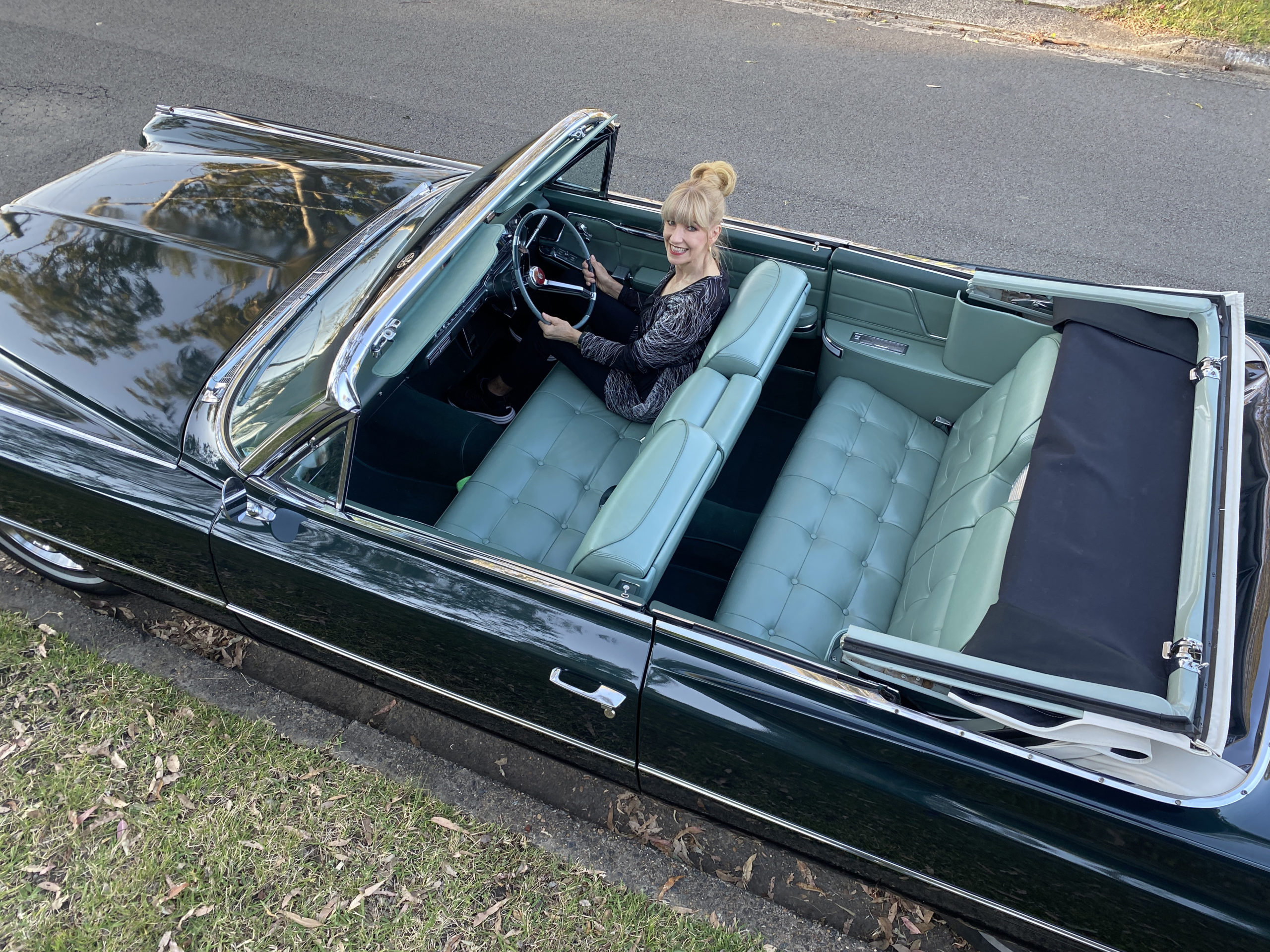
This Christmas, Marilyn and her husband have plans to go on a 3,000 kilometre road trip around Australia in their renovated Cadillac. It will mark their first trip since the diagnosis.
"It’s not a life sentence,” she says.
“You just have to learn to live with it and life goes on.”