

Millions of Australians have been paying more for private health cover as providers have found ‘loopholes’ that allow them to hike up policy prices more than once a year, as dictated by the annual premium review process.
The Commonwealth Ombudsman has released a report analysing the premiums of the nation's private health insurers, following damning allegations made by consumer advocacy group Choice earlier this year that alleged some insurers had increased their policies by over 30 per cent.
The report has found that some insurers will charge secret premium increases by closing a policy to new customers and then launching a new, very similar policy at a higher cost, a process which has been nicknamed ‘product phoenixing.’
“These practices may be circumventing premium approval processes, but they are also restricting consumer choice – because any new Gold policy a consumer may want to move to will have a much higher price than their existing Gold policy,” the report said.
“Also, consumers who may otherwise be unhappy with their insurer may feel compelled to keep their existing policy because of the significant cost of change - even if the policy that they would like to move to is actually very similar.”
This practise ensures that if customers attempt to shop around for a better rate, they are unlikely to find one.
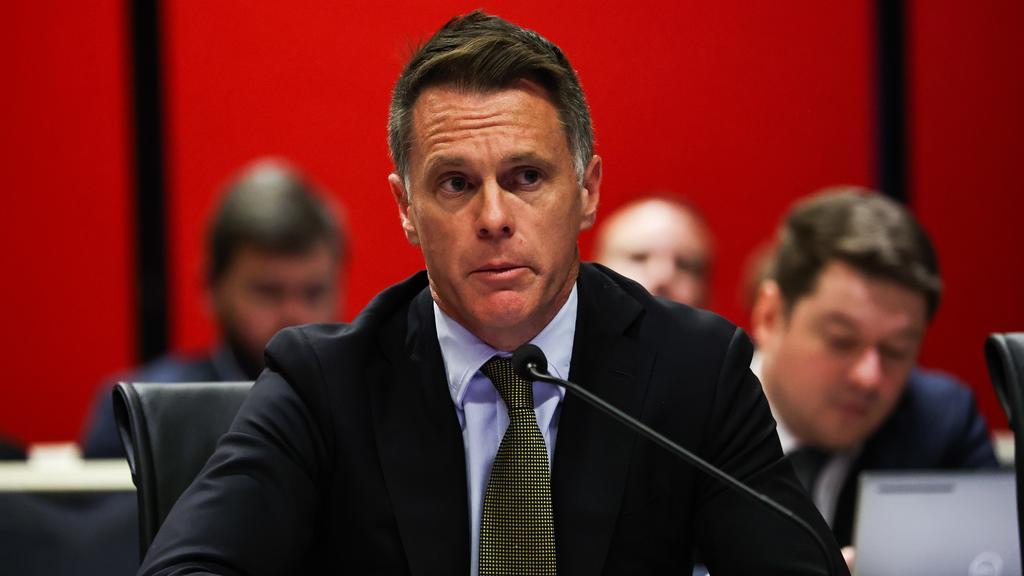
Federal Minister for Health Mark Butler has responded to the report, saying he shares the Ombudsman's concerns.
“This ‘loophole’ tactic is a sleight of hand that makes the best value policies disappear and forces customers to take out more expensive policies," he said.
“Insurers are putting a new name on the same policy, with a higher price tag. It’s a cheap trick that makes your health insurance more expensive, and it’s got to stop.
“Let me be clear: we will be monitoring this closely. If insurers don't stop this practice immediately, then I will force them to stop.”
The Australian private health industry has been in a state of turmoil this year, as multiple hospitals have thrown out their deals with insurance providers, unable to come to an agreement during funding negotiations.
Private hospital operators, like St Vincent's Health and UnitingCare Queensland, have experienced this in a tug-of-war over how to cover the rising cost of hospital care.
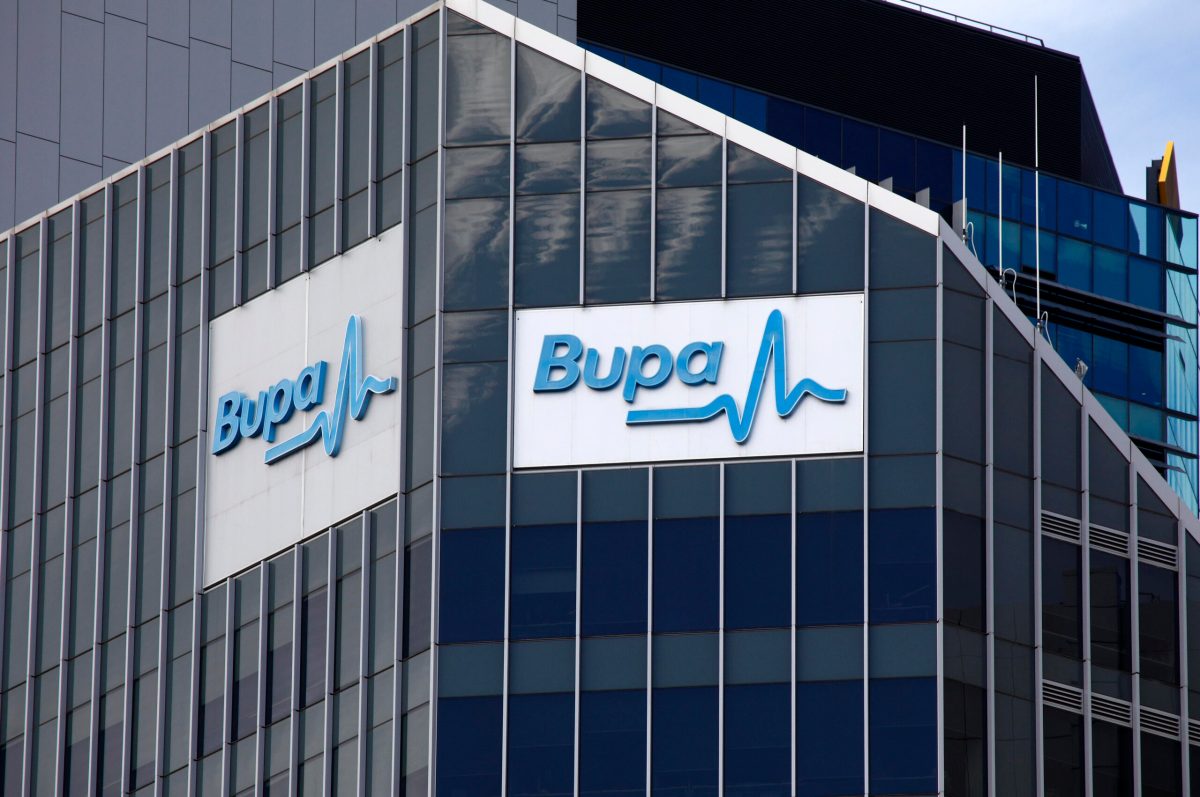
Healthscope, after reporting a $649 million loss last year, recently cut ties with insurance giant Bupa, prompting the Australian Medical Association to call for “a new independent authority to oversee private hospitals.”
“Patients are becoming collateral damage in the ongoing war between the government and private hospital operators, and an urgent independent authority needs to be installed,” AMA (NSW) president Dr Kathryn Austin said.
“It is unacceptable that we now have six million Australians facing higher health costs at a time when the cost of living is already causing so many people to go without basic necessities.
“This also undermines the confidence Australians have in private health insurance arrangements, and will now be creating enormous stress and anxiety for patients already booked in to have elective procedures.
“This issue needs urgent resolution. We must have an independent authority to oversee private health installed as soon as practicable and we must stop using patients as pawns.”

1 Comment
jenny7469@hotmail.com
There is a marked contrast between the care received in public and private hospitals. Private health, regardless of cost, is something I will never give up. Yes, it’s very expensive to have but having a consultant review your case is so much better than a junior doctor. I understand that the junior doctors have to learn to become a consultant, however so many mistakes are made and things get missed that could actually save a person’s life if they were addressed at the time. The public health system is no longer fit for purpose. Governments are only interested in their immediate term of office and don’t project the future with approximately one million people being imported to Australia each year. Unfortunately our health system is at the brink of collapse, likewise with our roads, housing and education.