
Before it had hit nine o’clock on a Monday morning, school nurse Lisa Chalmers had already been greeted with a raft of changes made to COVID-19 protocols and a student returning home from South Africa.
"That involves then working through the timeline of that arrival, speaking to the dad, and ascertaining what our plans were, and speaking to New South Wales health of course," said Lisa, who manages the health clinic at Barker College in Sydney's north.
"I also had a new Year 7 diabetic who spent last week at Royal North Shore Hospital returning this morning, so I had a parent meeting to work through his plan for this week."
This has been the daily life of a school nurse for the past two years, and it’s more than just ice packs and monitoring sickbay.
“It's been crazy, actually,” says Lisa.
“My job was very busy anyway, and I think COVID has just layered on top of that a whole new level of responsibility and a role to play.”
Since the beginning of the pandemic, school nurses have had to juggle their day-to-day duties with contact tracing, tracking quarantines, administering virus tests and overseeing vaccinations.
They must also interpret the tsunami of changing health protocols for the school community.
When the virus first hit, Lisa and Barker's five other nurses were tasked with overseeing infection control for the over 2,000 young people who stepped through the school gates each morning.
“I've never worked so hard,” she says.
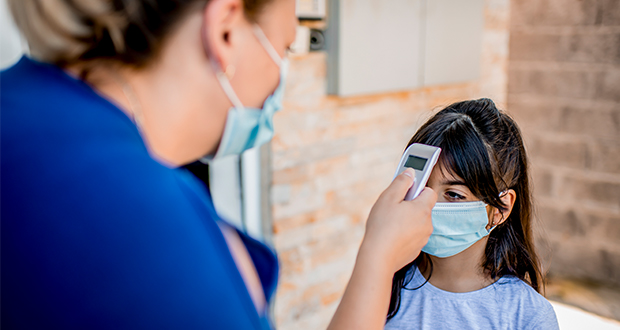
“There were months there in 2020 where we were standing out at seven o'clock in the morning with thermometers doing temp testing on the students when they came to school.
“Even down in the junior school with a car line drop-off of the little kids, just getting them out of the car and making sure they're safe and monitoring symptoms.”
Since the return from remote learning, schools have made up the bulk of COVID-19 clusters in Australia.
Almost 575 schools in NSW have faced closure due to positive cases within the last month.
While Lisa’s school has yet to report an infection, the threat of an outbreak is always looming.
“I come to work every week and think, is this going to be the week?” she says.
“But I think we are lucky, and I put that down to our community. We've got an incredible director of communications and we've got an amazing COVID safety team.
“We're a well-resourced school, and not all schools have that available.”
After a slow start to the nation's vaccine rollout, vaccines are starting to become more widely available for children under 16.
Most recently, Australia’s Therapeutic Goods Administration approved Pfizer for children aged from five to 11, which will see five million doses shipped before Christmas.
According to a recent survey by The Sunday Age, 83 per cent of parents support having their younger children vaccinated once it’s made available.
Nonetheless, dealing with vaccine hesitancy and misinformation has long been part of a school nurse's resume, says Lisa.
“I really believe that the best way to address those people is to try to get beside them and understand where they're coming from,” she said.
“We do not want to alienate them and it’s important that they have all of the information.”
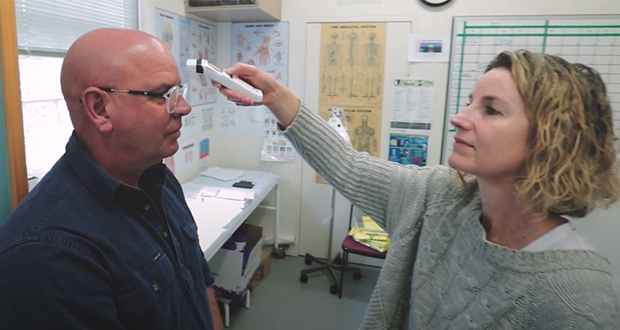
Even before COVID-19, the duties of a school nurse reached far beyond handing out band aids and fixing playground injuries.
School nurses respond to medical emergencies, oversee immunisations, and help students to manage their chronic conditions such as diabetes, seizures and allergies.
They also assist students to manage their mental health and wellbeing and provide vital health education to the wider community.
Lisa, who started her career as a paediatric nurse, says that the pandemic has reaffirmed a great sense of pride in her work.
“It's funny, you can sit down at a dinner party sometimes and people say, 'You're a school nurse?' And there'll be some joke about a band-aid or panadol or something,” she says.
“I think it's actually one of the best jobs in the world. You wake up in the morning and you think, what's going to happen today?”
Across the country, nurses are reportedly leaving in droves due to severe burnout and exhaustion after two years of fighting the virus.
A national survey conducted by Monash University found that 30 per cent of nurses were currently considering leaving the profession.
Lisa says that her school has been inundated with job applications from nurses hoping to exit the hospital system.
"I think people are thinking, what else can I do in nursing that doesn't have the demands of working in a hospital, and shift work and intensive care and all of the things that have been in the COVID experience," she said.
"It's really interesting because it is one of those hidden professions.
"I think that's what COVID's really done, is shone that spotlight onto school nurses and who we are and the role we play, and how important it actually is to have a school nurse in schools."


1 Comment
avaje@iprimus.com.au
Well done Lisa, a great article, defining school nursing so well. Well run at Barker College, great job over such a difficult time .