Health workers in NSW will receive a three per cent wage rise and a one-off $3,000 payment as recognition for their efforts during COVID-19.
On Monday, NSW Premier Dominic Perrottet announced the new wage policy with an additional 10,000 health staff staff over the next four years.
“I want to pay special tribute to our health workers who over the past two years have done an outstanding job,” he said.
Annual wage increases for all public service workers including nurses, teachers and paramedics will also be lifted from 2.5 per cent to 3 per cent this year and to 3.5 per cent the following financial year.
“That’s up to 6.5 per cent pay increases for our public servants over the next two years,” Perrottet said.
The increase is in addition to natural progression within the public sector and will apply to new industrial agreements that are struck from 1 July 2022.
The $3,000 one-off payment will be available to paramedics, midwives, cleaners and all other permanent staff employed by the NSW Health Service on July 1st.
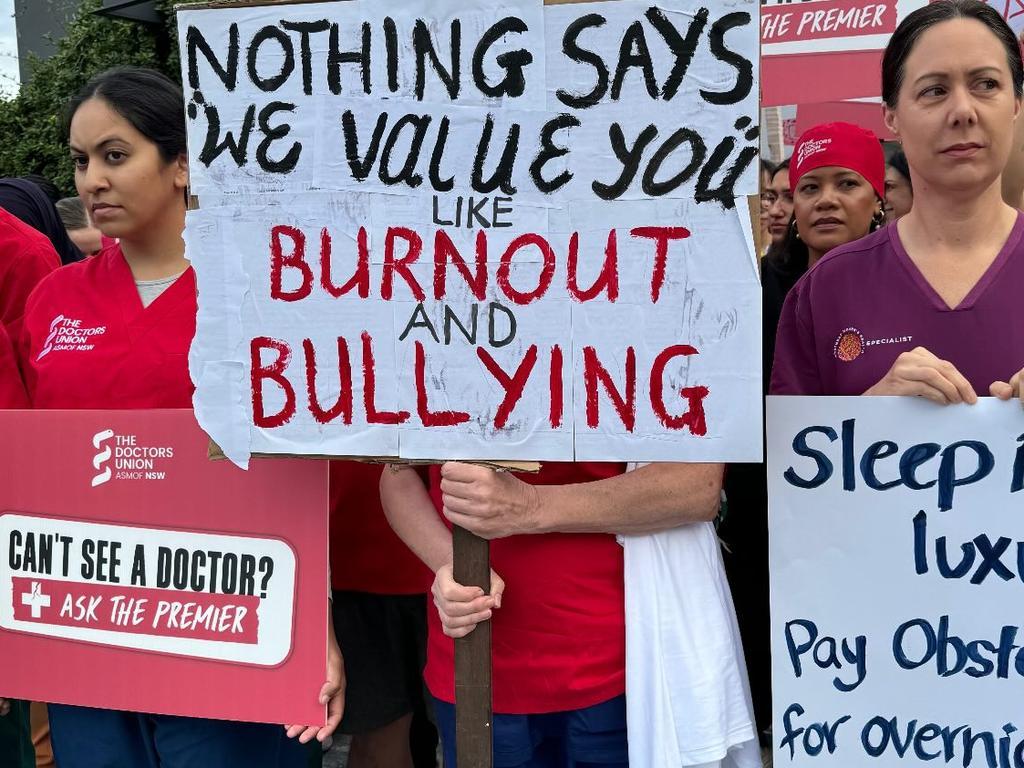
It follows concerns over chronic understaffing issues and calls from many in the industry for better pay and conditions.
The government also said it will spend $4.5 billion dollars towards installing new doctors, nurses, paramedics and other health staff between now and 2026.
Around 40 per cent of the recruits are expected to be based in regional NSW.
“Today we’re announcing the biggest boost to our health workforce in our state’s history and the largest in the country,” Perrottet said.
The NSW Health Services Union (HSU) welcomed the pay rise but made it clear campaigning would not stop until the wage cap imposed by the Coalition in 2011 was "scrapped".
"We are pleased the NSW Premier is listening to our concerns and taking action," said HSU president Gerard Hayes.
"However, the NSW wages policy prevents meaningful wage bargaining.
"We need a system that allows workers to bargain for wages based on the cost of living and productivity, not a system based on the whim of politicians."
Employee Relations Minister Damien Tudehope acknowledged the new wage rise was not in line with inflation and asked state unions to pause industrial action.
"To all those who are advocating for industrial disputation, let’s talk about this because what we have done today, is in many respects, gone out and addressed the problems,” he said.
Tudehope said a wage increase in line with inflation would cost the state about $5 billion over four years.
Currently in Australia, inflation has surged to the highest level since 2001.
A recent study commissioned by Unions NSW found the 5.1 per cent rise in consumer prices means a registered nurse or midwife with four years' experience will see their wages go backwards at least $1986.49 this financial year.
This adds up to a wage loss of approximately $26 each week, the report said.