The Queensland Nurses and Midwives’ Union (QNMU) has called out the state government for its inaction on the health and wellbeing of the nation's Indigenous children.
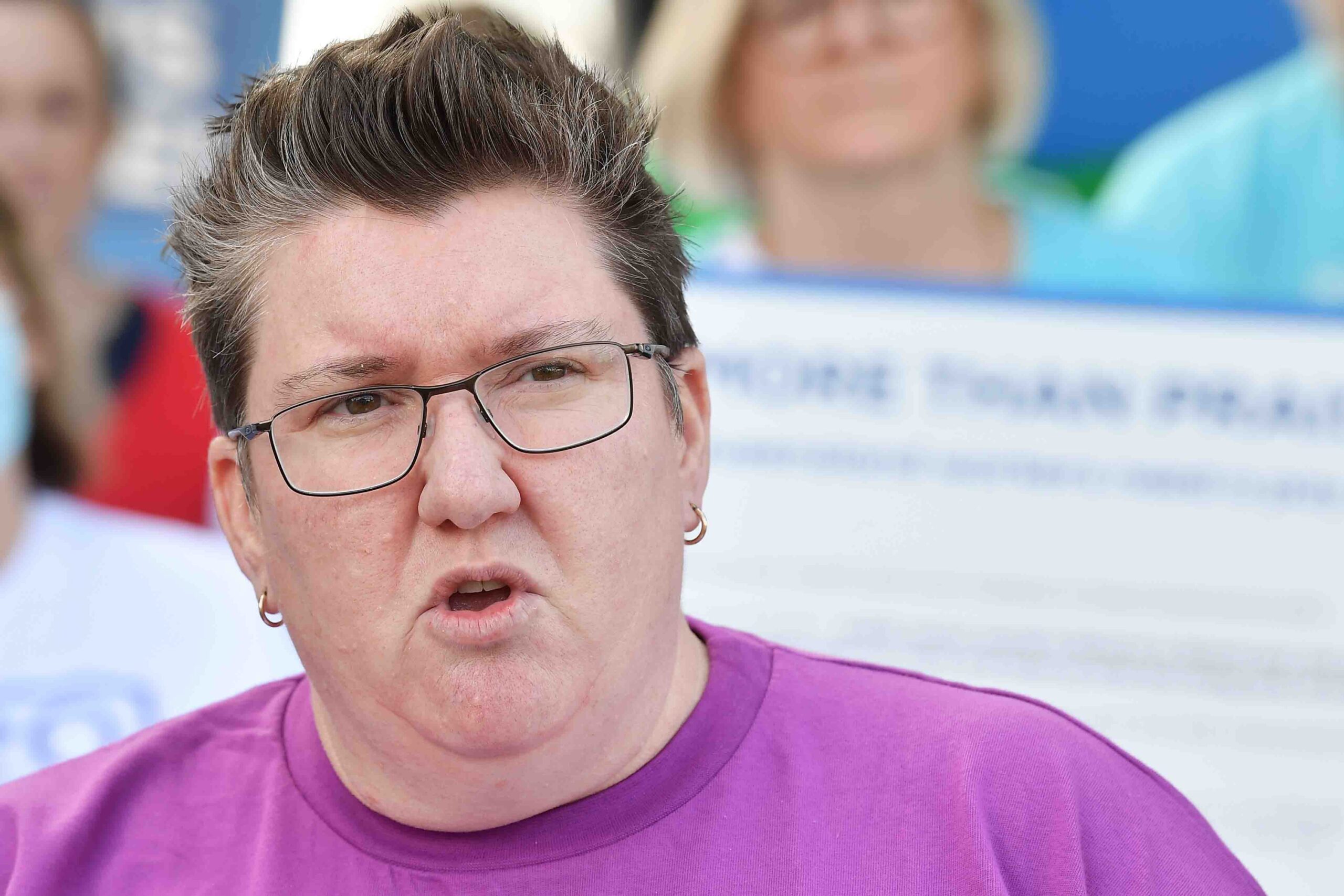
Raising her voice on National Aboriginal and Torres Strait Island Children’s Day (August 4), union secretary Sarah Beaman said there is a genuine lack of health services that focus on culturally respectful policies and practices for First Nations youth, and “that needs to change.”
“We continue to see higher infant mortality, higher rates of hospitalisations, over-representation of First Nations children in child protection, and higher rates of suicide,” she said.
“We have policy positions on crime that are targeting Aboriginal and Torres Strait Islander children when what we need are policies that address the historical disadvantage, impacts of current targeted and systemic racism, and the vast failure to invest in the physical and mental health of First Nations children.”
Last October, Queensland Premier David Crisafulli led the Liberal National Party to victory in the state election with Adult Crime, Adult Time at the forefront of its law-and-order campaign.
First Nations people have a long history of over-representation in both the youth and adult justice systems in Australia. In 2023-24 more than half (57 per cent) of all people under youth justice supervision aged 10–17 were First Nations Australians.
Furthermore, on average, First Nations children under supervision are younger than their non‑Indigenous counterparts.
Ms Beaman said the government should not be focussing on locking children away, and should instead be taking decisive action to address the ongoing disparity between health outcomes for Aboriginal and Torres Strait Islander children and non-Indigenous children.
“Disadvantage and the disparity in health outcomes is a generational and transgenerational issue that will only be solved by looking at the ways in which policies in this country perpetuate that disparity and disadvantage,” she said.
“We need to look at the shortsighted policies that have failed First Nations children and look at all of the causes contributing to poor health outcomes and invest in solutions.”
The union is calling on the LNP to release information on how it will ensure the state’s First Nations nurses and midwives are are utilised in respect to their cultural authority, as well as how it plans to address the significant disparity in social determinants of health for Aboriginal and Torres Strait Islander children.
“Children need to be supported, and they need to be healthy,” Ms Beaman said
“They need to fully enjoy their right to family, community and culture.”
The Productivity Commission last week delivered its latest Closing the Gap annual report and the results were mixed.
The Annual Data Compilation Report (ADCR) revealed outcome for four key targets are continuing to worsen: adult imprisonment; children in out-of-home care; suicide; and children developmentally on track.– are continuing to worsen within First Nations communities.
Catherine Liddle, CEO of the Secretariat of National Aboriginal and Islander Child Care (SNAICC), said the update lays the failings of governments bare.
“Closing the gap starts with our children and that means investing in quality, culturally strong early education and care, and systems that support families rather than continue cycles of removal and criminalisation,” Ms Liddle said.
“Early childhood education and care is a foundational building block for lifelong outcomes but we’re seeing a decline in children being developmentally on track which tells us that access alone isn’t enough.
“The update shows that when governments work in true partnership with Aboriginal and Torres Strait Islander communities, we see real change. Progress in areas like land rights and employment shows what’s possible when communities are empowered and governments step up.”
Just four of the 19 socio-economic targets of the federal Closing the Gap initiative are on track, with the other 15 either worsening, improving but not on track to meet target, or assessed as having no change.
Productivity Commissioner Selwyn Button said the data shows that “the transformational change that governments committed to is falling well short of what has been promised.”
“What the outcomes in the Agreement reflect most of all is the limited progress of governments in collectively acting on the Priority Reforms: sharing decision making and data with communities; strengthening the Aboriginal Community Controlled sector and changing the way governments operate.”