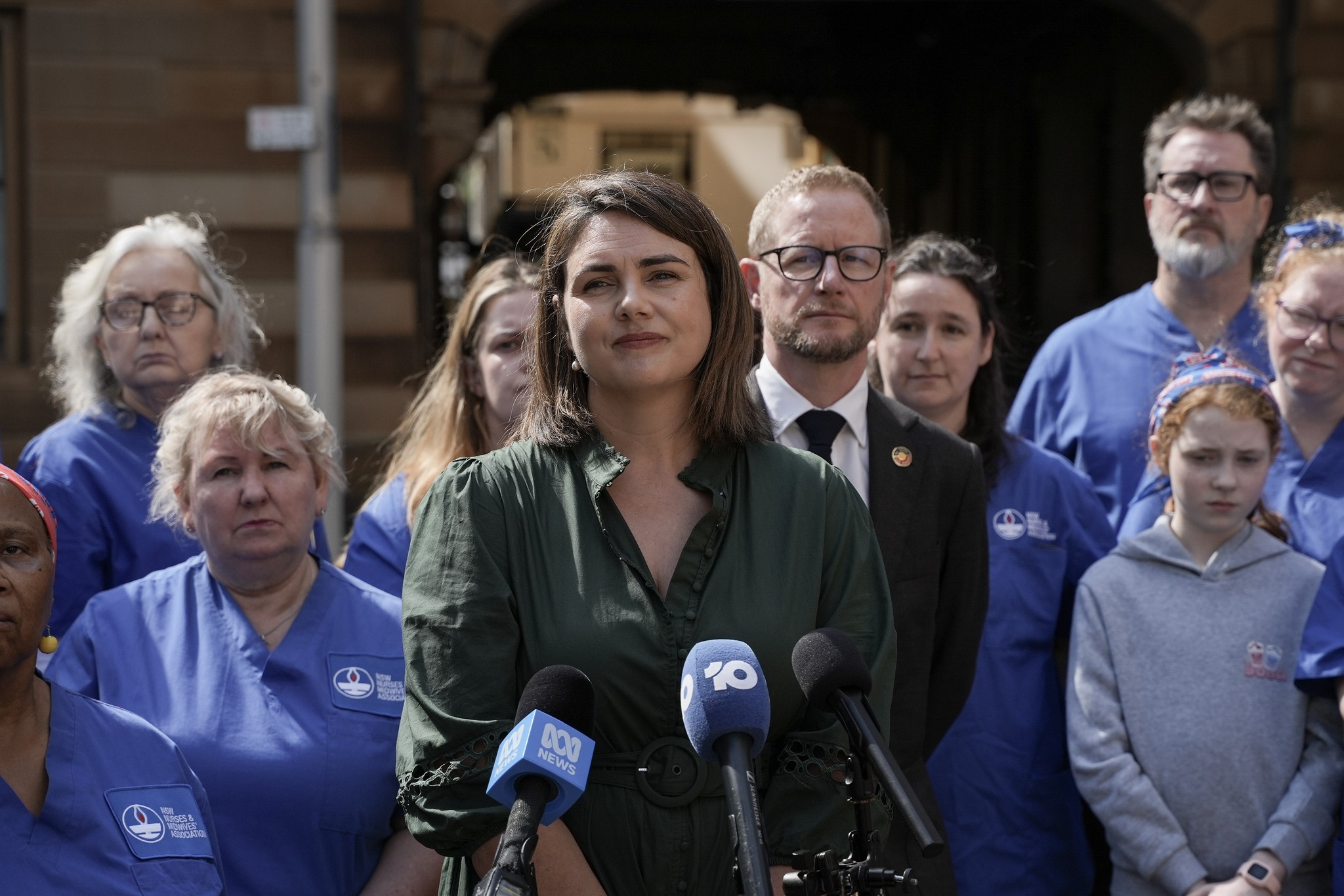
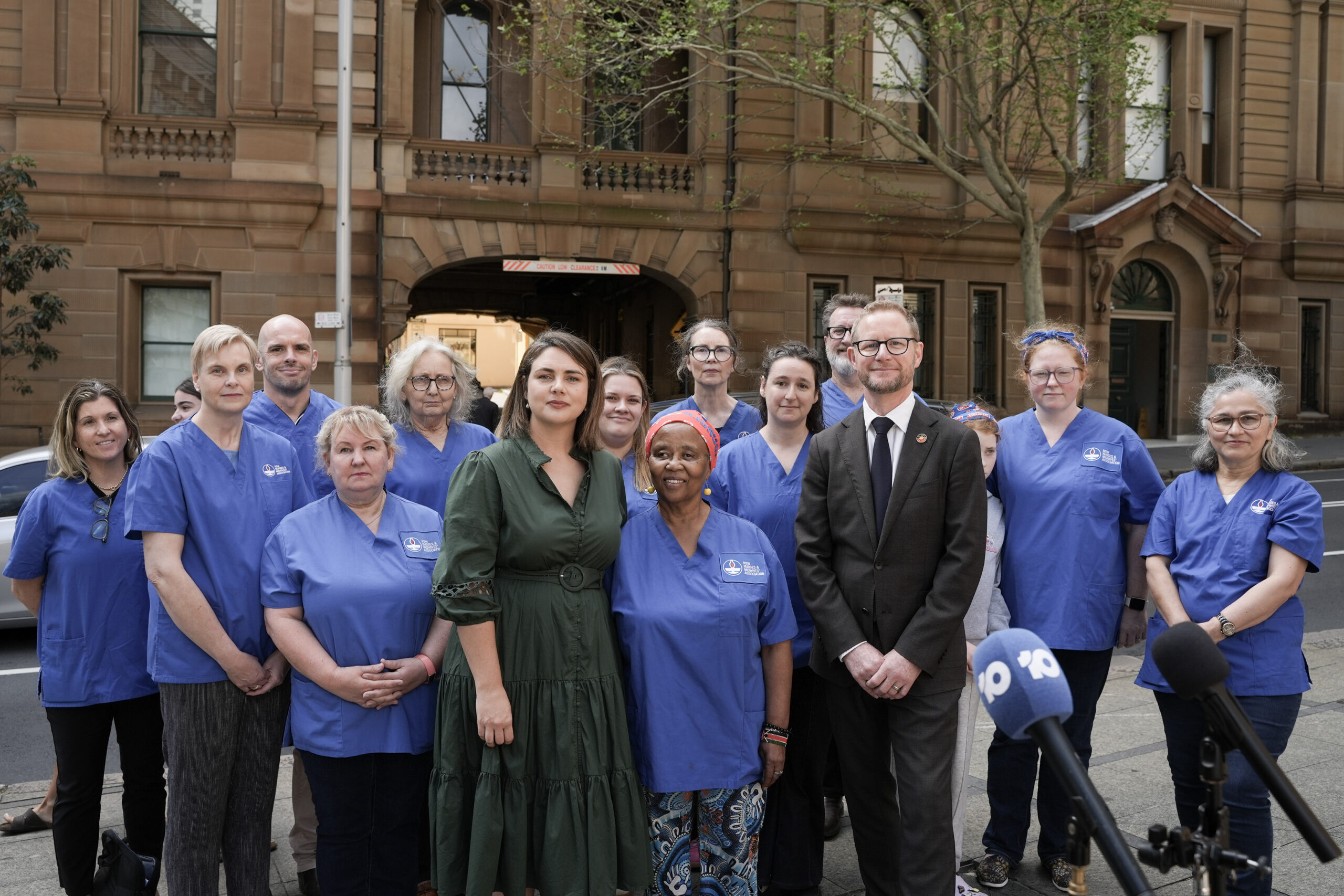
After more than 14 years at the NSW Nurses and Midwives’ Association (NSWNMA), including three years as General Secretary, Shaye Candish has announced her resignation.
Her tenure has been marked by significant achievements, from the implementation of nurse-to-patient ratios to advocating and winning improved pay and conditions across the sector.
Nursing Review sat down with Ms Candish to discuss her decision, her proudest moments, and the broader challenges facing the nursing and midwifery workforce in New South Wales.
On her decision and legacy
Nursing Review: You've cited the "all-consuming" nature of your role and your decision to prioritise family as the reasons for leaving your role at NSWNMA. Could you tells us a bit more about what led to this decision and what specific factors affirmed it was the right path for you at this time?
Shaye Candish: I have two young boys, both in primary school, and this job is a big job. You work long hours, which often means I'm not available to support my family with things like tucking them into bed at night, getting them ready for school in the morning, or attending school activities.
As my kids are getting older and their needs are changing, I think that push-pull between work and home responsibilities also needs to change. It's been a difficult decision, of course, but one I feel really content with.
NR: Reflecting on your significant achievements, what are you most proud of, and what aspects of the role will you miss the most?
SC: There's a lot. I've always loved the work, and I will miss it, no doubt. And the people – I've had fabulous opportunities to work with incredible individuals.
The work is so varied; every day is different. I'm sure I'll miss all those parts.
I don't know if there's one single thing I'm most proud of. There's been a lot of great work this union has done recently. Things like the implementation of ratios and the commencement of our special case are initiatives we've started, gained a foothold in, and are beginning to see improvements from.
I believe these will have a very long tail and will be the beginning of real system reform, having a lasting impact for nurses and midwives for generations to come. I look forward to seeing how those things roll out.
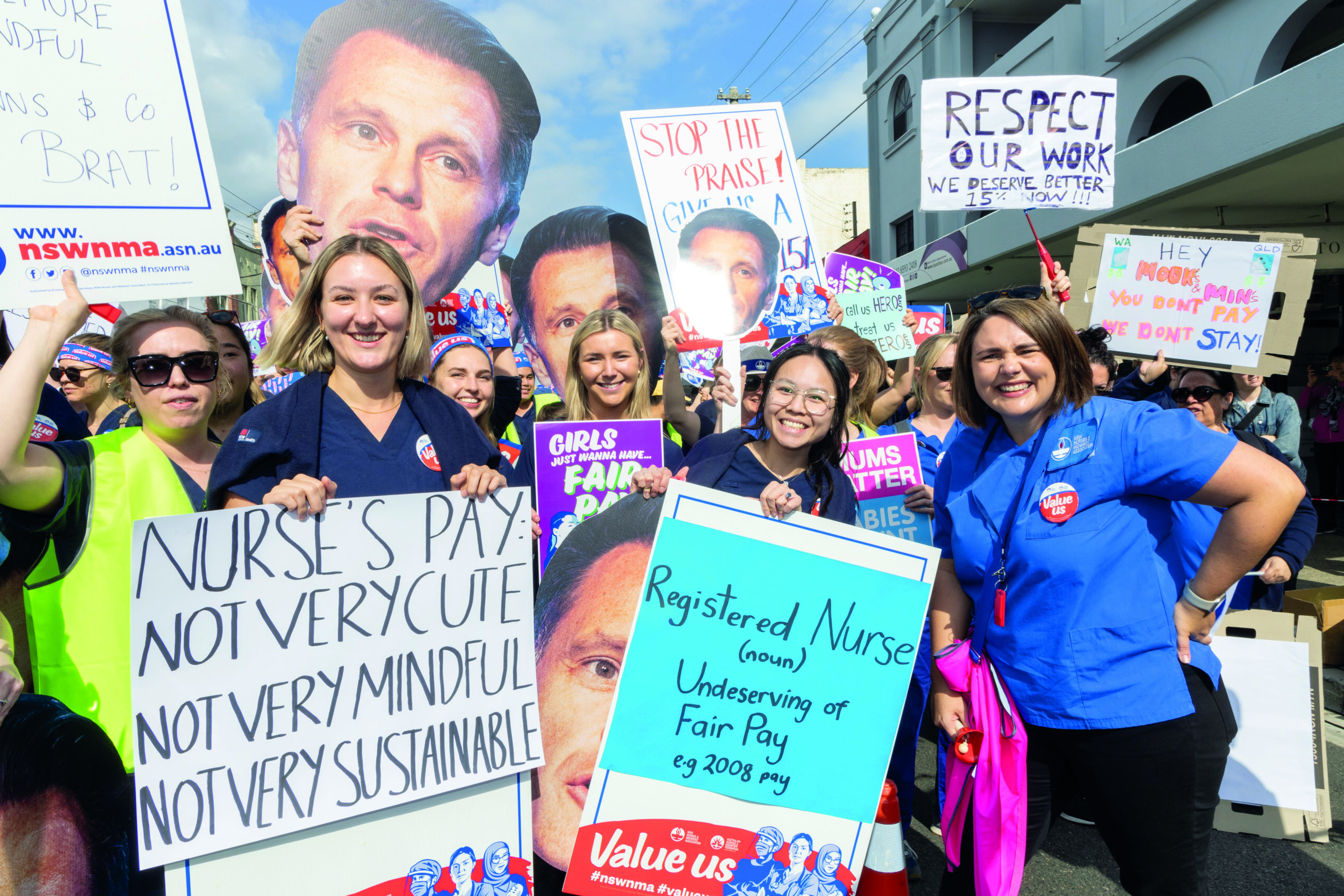
Another aspect I'm proud of is our members understanding the impact of gender in our heavily female-dominated industry, and how that affects pay and conditions. This understanding is crucial for ensuring our professions are appropriately compensated.
The community deeply respects nurses and midwives, especially after Covid, but our members often don't feel that value through their remuneration. Understanding 'why' is the first step to addressing this.
We also need to promote the incredible value nurses and midwives offer in terms of healthcare access across the country; they are experts providing widespread access.
The Union's future
NR: With Michael Whaites appointed the incoming General Secretary, and Katrina Bough taking on his Assistant General Secretary role, what are your hopes for the direction of NSWNMA under their leadership, particularly the continuation of key campaigns?
SC: Michael and Katrina will be an incredible team. They are so determined and are truly remarkable advocates for our profession. I'm confident they will do a fantastic job and continue the work we've started.
Michael and I have had an incredible partnership over the last three to four years, and we've worked together as colleagues for many years before that. I'm certain they have a strong vision for expanding the implementation of ratios across our public health system. They'll continue our work in aged care, where we've seen the implementation of care minutes and once-in-a-generation pay improvements for aged care workers.
They are also focused on improving members' lives in other areas, such as housing reform. While not specific to a nurse or midwife's job, their ability to live and work nearby is important for a supported environment where they are part of their community and not spending long hours commuting.
Michael and Katrina will continue with many of the specific workplace campaigns we've started, but also a lot of the social justice work this union has been doing.
NR: Looking at the broader nursing and midwifery sector in NSW, what do you identify as the most pressing systemic issues currently facing nurses, midwives, and care workers?
SC: Pay and conditions are front of mind for every nurse and midwife in New South Wales.
We've had many years of wage suppression under the previous state government's wages policy, which kept wages low while other states saw increases.
Coupled with the cost of living pressures over the last three years, it's demonstrated how tough it is to live in the most expensive state in the country while wages have been deliberately kept low.
Nurses, midwives, and carers in our public system are facing the brunt of these conditions, creating a perfect storm. Covid has also raised community expectations and knowledge about their work, highlighting a disparity between what should happen and what actually happens regarding pay and conditions.
This is all happening in a climate where other professions have more flexibility and work-life balance, while nurses and midwives continue to face less secure situations, working 24/7 rotating rosters with significant caring responsibilities but no predictability.
This is causing the workforce to opt out, choosing insecure casual or agency work, which isn't good for our industry.
We're stuck in a cycle where deteriorating conditions drive people out, and fewer people increase pressure on those who remain, driving more out. We must fix the quality of jobs in nursing, midwifery, and care work to retain people.
We have enough nurses, midwives, and carers to meet current needs, and we continue to attract new people, but our big problem is retention due to the quality of roles.
The biggest challenge for us in the next few years is getting pay and conditions right so people want to stay. They love this work; it's deep in their heart and identity. They don't want to leave or work casually, but they do so to make their life commitments work. If we can crack that, we can address some very deep-seated challenges.
NR: Professional development plays a significant role in job satisfaction and retention. How does the NSWNMA support lifelong learning, and what is the importance of continued professional growth for nurses in NSW?
SC: Lifelong learning and evidence-based approaches are strong features of how health operates, deeply embedded in how our members think and make decisions.
We see this in new graduates, which is fantastic. The mismatch, however, is in remuneration. It's common for nurses and midwives to have multiple tertiary qualifications – a bachelor's, post-grad certificates, even master's – yet many aren't easily earning over $110,000 or $120,000. In any other industry, workers with multiple tertiary qualifications would see entirely different remuneration.
This highlights that nurses and midwives are socialised to continue learning, but they don't necessarily reap the financial benefit, though patients certainly do.
We need to change policy settings to reflect that as skills increase, additional learning is undertaken, and scope of practice grows, appropriate remuneration should follow. This is the current gap.
We see it in day-to-day decisions where nurses take on additional duties without compensation or recognition, from picking up phones when administrative staff are removed to implementing new programs like nurse-led discharge, nurse-initiated pathways, nurse prescribing, and midwifery endorsement.
These are significant advancements based on excellent patient-centred care, which we should celebrate for their innovation and great patient outcomes. However, we must recognise that workers are at the heart of these policy changes. They should be considered and consulted, and appropriately compensated for the additional skills they build, because we all benefit from it.
A final message
NR: Do you have a final message or any words of encouragement you'd like to share with our readers?
SC: I have the utmost respect for the work of nurses and midwives. We are one of the few professions so trusted, and for good reason.
I think our nurses and midwives don't always understand how critically important they are, and they don't always know how to speak up for themselves. The more they can do that, the better off our profession will be because we need them like never before.
If they can find their own voice, whether through their union or in their day-to-day work, talking about what they deserve is critical to ensuring we have a sustainable health system.
We won't have one without nurses, midwives, and carers. We must find a way to ensure they love their job and want to stay.
So, when things aren't right, I encourage them to speak up.
NR: Finally, what's next for Shaye Candish?
SC: I'm not sure, actually. I'm going to take some time with my kids over the Christmas holidays, and then in the new year I will start looking. I'm not really sure what that will look like, to be honest.