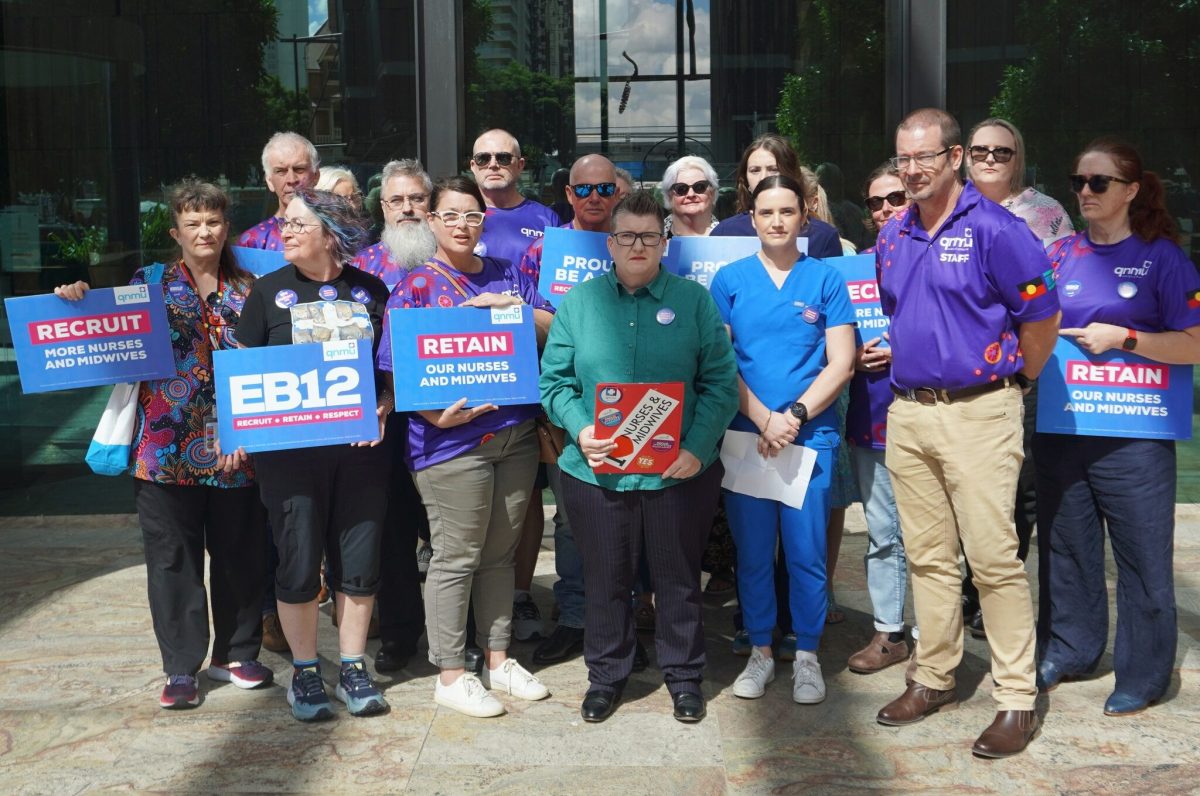
Tasmanian nurses and midwives have intensified industrial action after rejecting a government offer they say falls short on pay, workforce wellbeing, and measures needed to improve recruitment and retention.
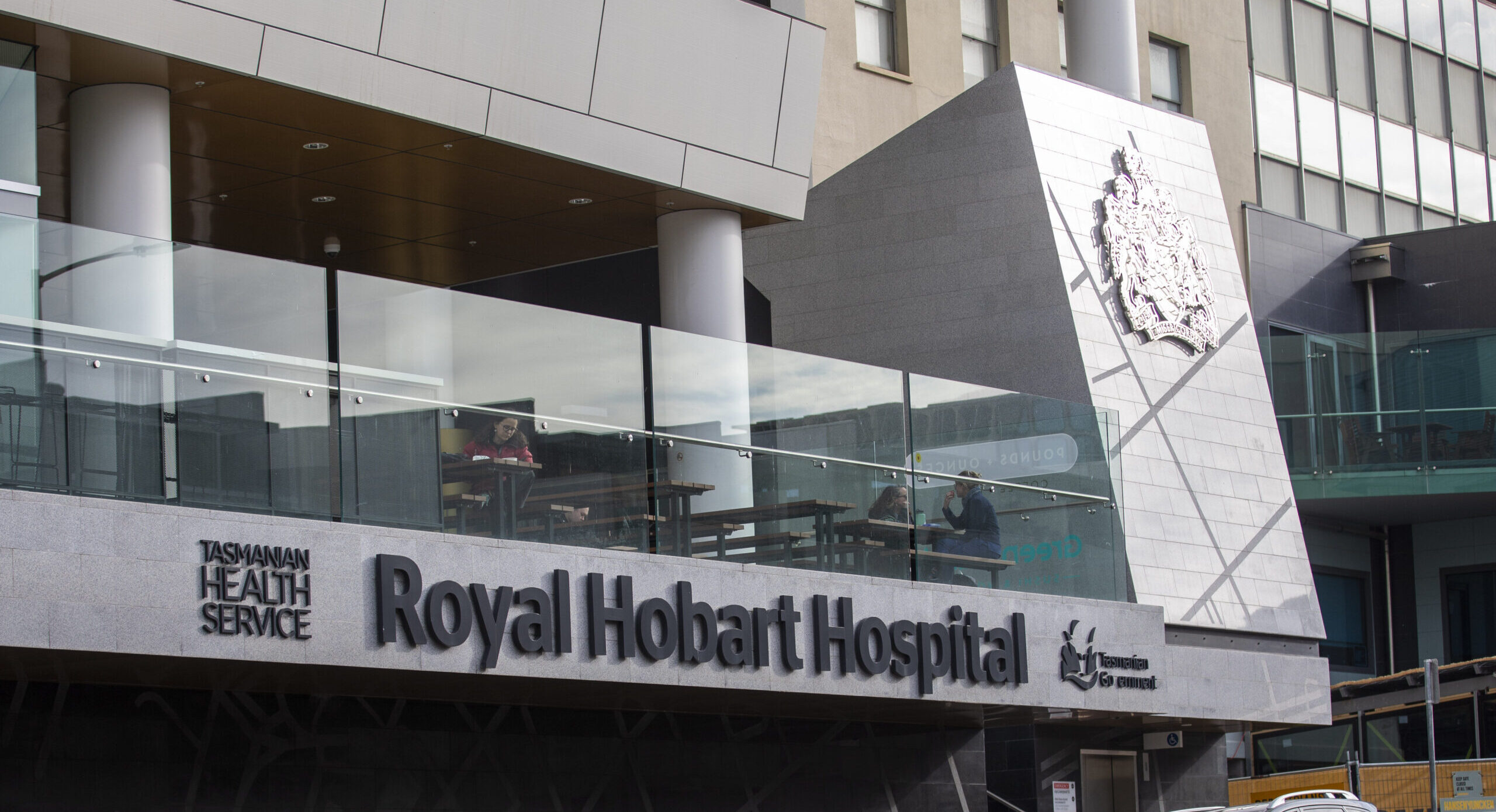
Members of the Australian Nursing and Midwifery Federation (ANMF) Tasmanian Branch stopped work at the Royal Hobart Hospital and the Repatriation Centre on Saturday before joining a community rally on Parliament House lawns in Hobart.
ANMF Tasmanian Branch secretary Emily Shepherd said members were disappointed by the government’s proposal following months of bargaining.
“Members overall were disappointed by the offer presented by government after months of bargaining as they feel the offer doesn’t appropriately respect nurses and midwives, value them for the work that they do not do enough to support retention and recruitment,” she said.
While welcoming measures including allowances for designated nurse prescribers and endorsed midwives, paid change time for theatre nurses, and lead apron breaks, the union says key concerns remain unresolved.
Among them is a proposal to limit five personal impact days to nurses and midwives working in emergency departments, intensive care and mental health settings.
“Members are shocked that the five personal impacts days included in the offer is suggested to only apply to ED, ICU and Mental Health Members when all other public sector members receive this entitlement,” Ms Shepherd said.
The union argues nurses and midwives across all clinical settings are regularly exposed to traumatic situations and should be entitled to the same wellbeing supports.
Pay remains another major sticking point. According to ANMF analysis, most Tasmanian nurses and midwives would remain more than 11 per cent behind the highest-paid nurses and midwives in Australia by the end of the proposed three-year agreement.
The Federation says the offer will do little to address persistent workforce shortages, with vacancies continuing to drive overtime, double shifts, and reliance on agency staff across the health system.
“It comes at a time where recruitment is challenging with many members reporting vacancies creating roster gaps resulting in overtime, double shifts, and agency staff [use] all of which create significant cost to the Tasmanian government,” Ms Shepherd said.
The ANMF has also renewed calls for improved staffing, legislated nurse-to-patient ratios and stronger protections for workforce health and wellbeing, and is expected to return to negotiations with the Tasmanian government this week.
“The ANMF will continue to support nurses and midwives in their pursuit for a respectful offer that values their critical work across the health system while engaging in ongoing negotiations to improve the offer for nurses and the Tasmanian community alike,” Ms Shepherd said.