In a global first, almost 8,000 people have been identified by linking existing data as living with incurable breast cancer in New South Wales.
Cancer Institute NSW has linked data sets from Australian cancer registry, hospitals and clinical treatments, the Pharmaceutical Benefits Scheme (PBS), and the Medicare Benefits Schedule (MBS), to identify 7850 women and 50 men with metastatic breast cancer (MBC) living in the state – a unique methodology that will soon be shared locally and internationally.
Metastatic breast cancer (MBC), also referred to as stage four, secondary or advanced breast cancer, is an invasive form of the disease that spreads from the breast to other parts of the body.
Most commonly MBC will spread to the bones, liver, lung or brain of a patient and while it is treatable, MBC is not curable, and takes the lives of nine Australians every day. Making accurate data available is invaluable to a deeper understanding and enhanced treatment of the disease.
Cancer registries keep a record of initial breast cancer diagnosis' across states and territories, but up until now the number of people who go on to develop MBC has been unknown in Australia, or around the world.
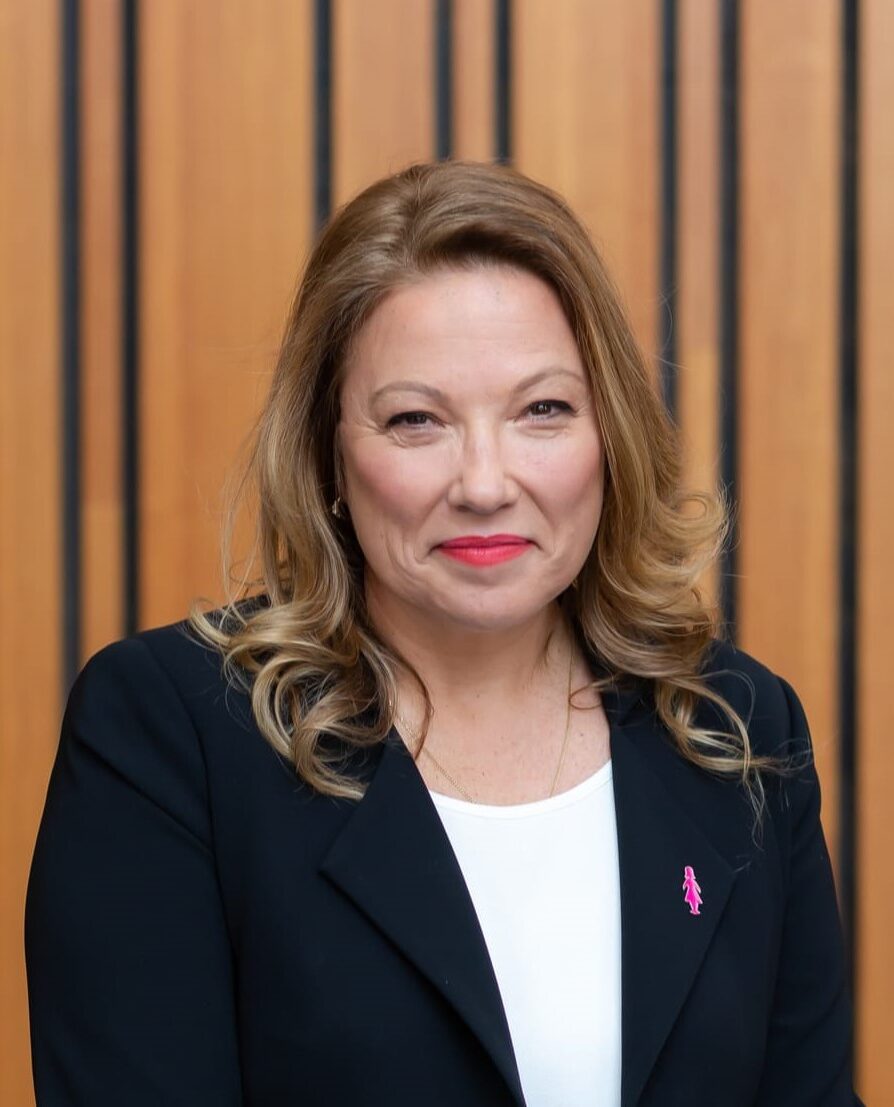
Breast Cancer Network Australia (BCNA) has been campaigning for improvements to national breast cancer data for decades. Of the recent developments it has said that time is of the essence, calling upon the National Cancer Data Alliance to support all states and territories in the adoption of this methodology.
"NSW is setting an Australian and global benchmark, we can't stop now – we are so close. This deserves national priority – we urge all state governments and territories to make a commitment like NSW to close the data gap," BCNA director of policy, advocacy and support services Vicki Durston said.
It had been previously estimated that there were around 10,553 MBC cases nationally. The Cancer Institutes numbers show that the number is likely triple that.
Related stories: Govt quiet on damning menopause report | $5.9m invested into post-grad scholarship for indigenous cancer research
NSW Chief Cancer Officer and Cancer Institute NSW chief Professor Tracey O’Brien AM said that while there have been significant global advancements in the understanding of cancer, rates of the disease are projected to triple in the coming decades.
“Pinpointing how many people have metastatic breast cancer is more than just knowing a number. It’s about giving a voice, options and hope to people living with and beyond cancer and letting them know we see them and are here for them," Professor O’Brien said.
“Although a cure for metastatic breast cancer remains the ultimate goal, our immediate focus must be on helping those living longer with the disease to live well. It’s not just about treating the cancer – it’s about treating the whole person, improving their quality of life and addressing their physical, emotional, financial and practical needs.”
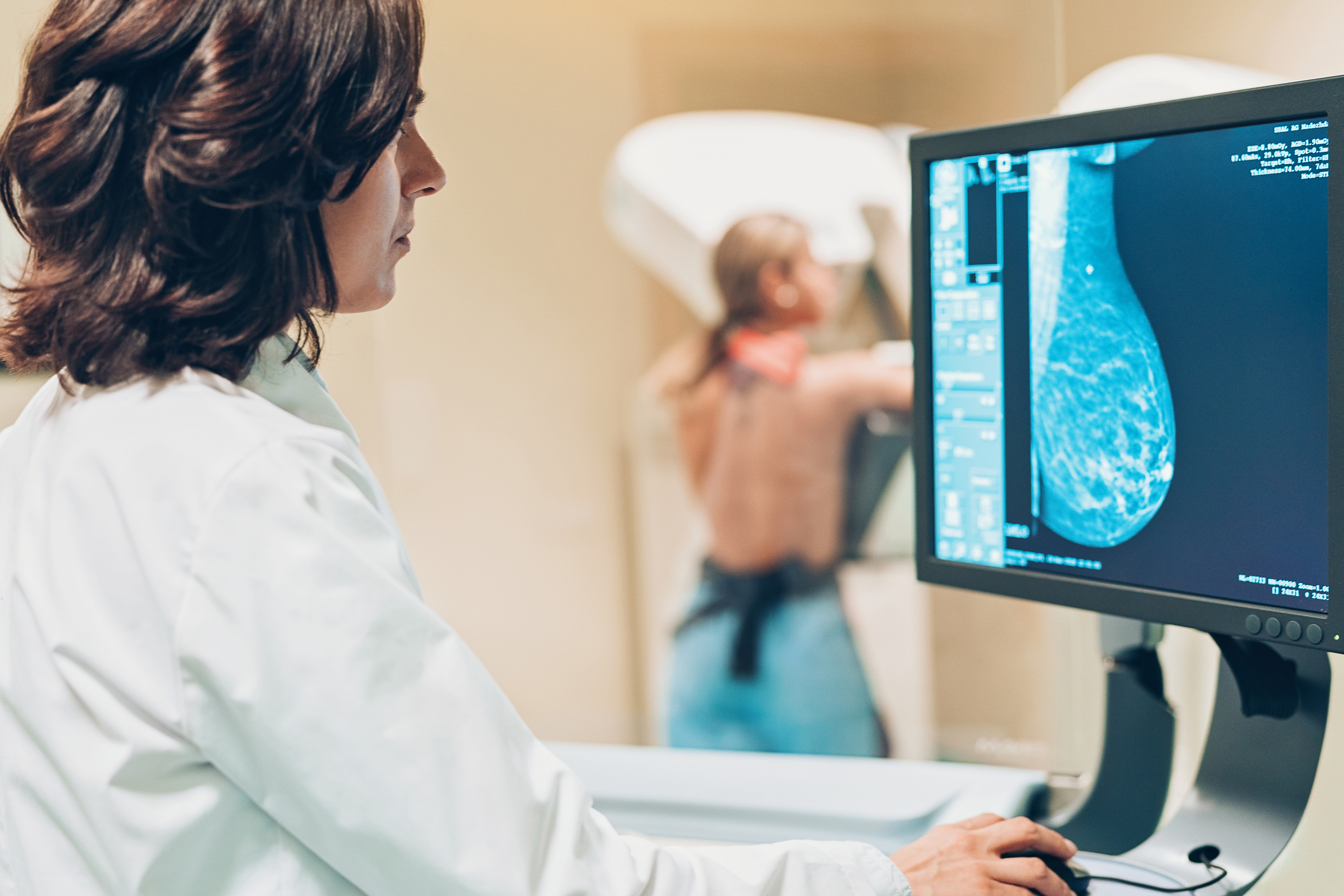
BreastScreen NSW is a state government initiative providing free mammograms to women aged 50-74 every two years.
At the recent launch of the newest BreastScreen clinic within the Royal Hospital for Women in Randwick, the state's Health Minister Ryan Park said he is "incredibly proud" of NSW clinicians and researchers for the breakthrough.
“NSW is proud to lead global efforts to understand how many people are living with metastatic breast cancer and lift the veil of uncertainty and invisibility experienced by thousands of people in our community," Minister Park said.
“Australia is now one step closer to understanding just how many people are impacted by this aggressive form of breast cancer, and in an important next step, understanding how many other people in our community are living with other forms of metastatic cancer.”
For more information on living with metastatic breast cancer visit the Breast Cancer Network Australia website here.
Read more: ‘National scandal’: Only 1-in-100 rentals are affordable for essential workers | Genome sequencing developed to trace Covid is now protecting babies in intensive care from infectious diseases