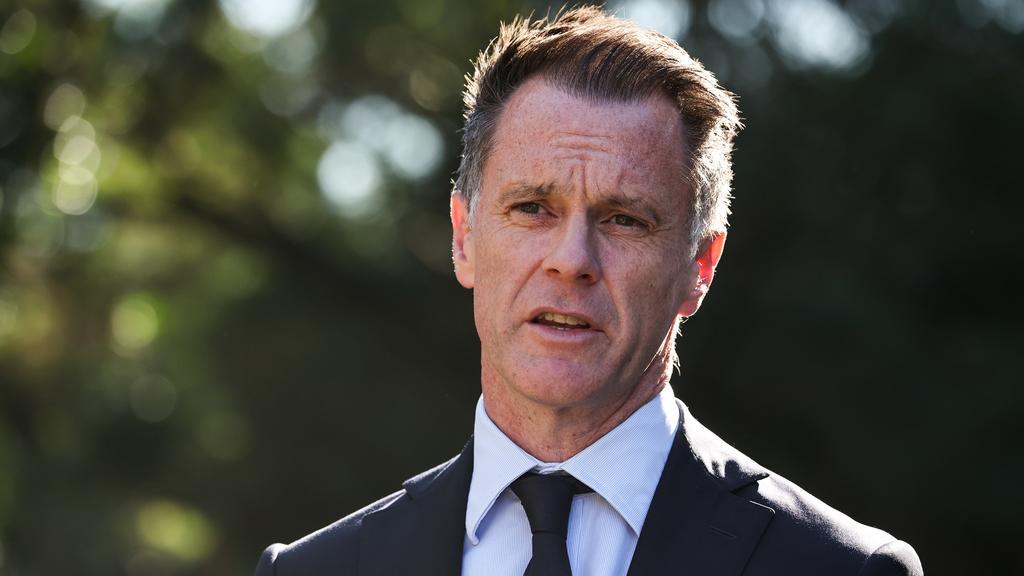
The nation will head to the polls on May 3 to decide on the next Prime Minister of Australia, in what will be a key moment for the healthcare sector.
After much anticipation, Prime Minister Anthony Albanese called the general election on Friday, after his Treasurer, Jim Chalmers, delivered the Labor party's fourth federal budget just three days prior.
“Over the last few years, the world has thrown a lot at Australia in uncertain times," the Prime Minister told reporters.
“Because of the strength and resilience that our people have shown, Australia is turning the corner. Now, on May 3, you choose the way forward.”
We have already seen the major parties battling over health reform, with bulk-billing, Medicare and public hospital funding all rising to the top of political priorities. However, the sector is calling for more.
“A critical opportunity to improve access to essential healthcare for Australia.”
– Royal Australian College of GPs (RACGP)
“Funding to grow our GP workforce faster is critical to keep pace with the need for care across the country. Australia’s population is growing and ageing, and there’s an epidemic of chronic illnesses, which requires high-quality and ongoing general practice care,” Royal Australian College of General Practitioners (RACGP) president Michael Wright said.
“It’s heartening to see bipartisan political support for significant investment to improve access to specialist GP care, and to grow Australia’s GP workforce faster to meet increasing patient needs.”
More for nurses and midwives
Last Tuesday's federal budget papers included the $2.6 billion investment into raising the wages of nurses in aged care, announced earlier in the month, as well as $10.5 million over two years to expand the Department of Health and Aged Care's Primary Care Nursing and Midwifery Scholarship Program, allowing more RN's to complete subsidised postgraduate study.
However, the general response from industry peak bodies is that the federal government is not doing enough to address the immense challenges faced by nurses and midwives in 2025.
As the Australian Nursing and Midwifery Federation (ANMF) succinctly put it: “Our politicians must stand-up for nurses and midwives.”
“We now need all of our political leaders to outline how they will work with the ANMF to build on the wins we’ve achieved under the Albanese Government – and how they will stand-up for nurses and midwives with measures which improve their pay and everyday working conditions and with more cost of living relief,” ANMF Federal Secretary Annie Butler said.
“Committing to further reforms, such as implementing the Scope of Practice Review, to support nurses and midwives will mean we build a stronger, sustainable workforce, giving Australians easier, equitable access to quality care when and where they need it.”
Both major parties have promised an overhaul of the Medicare system, pouring funds into bulk-billed GP visits, more Urgent Care Clinics and mental health services.
Australian College of Nursing chief Adjunct Professor Kathryn Zeitz said now is the time to “unleash“ the full potential of the country's nurses.
“Nurse-led clinics and services have been operating successfully in Australia for decades. We need more of them,” she said.
“Nursing is an agile, versatile, and highly educated profession with skilled professionals working in every health setting across Australia.
“We need policies and funding to attract more people to the profession, retain nurses and midwives in life-long careers, and entice nurses who are not working as nurses back to the profession.
“As more doctors retire in rural and remote Australia – with no younger doctors moving out of the cities to replace them – country people will miss out on quality care if nurses are not empowered to work to their full scope of practice, using all their clinical skills and knowledge and experience.”
Prioritising rural
In a bid to address the ongoing health disparities between metro and rural areas, the National Rural Health Alliance (NHRA) is calling for a $1 billion National Rural Health Fund, designed to reduce healthcare delivery payments and build the necessary infrastructure for a healthy future.
The NHRA has reminded political leaders that while rural Australians generate 70 per cent of the nation's export income, they receive $848 less per person in healthcare funding.

“We urge all Australians and the candidates who seek their votes to recognise and address the healthcare challenges and earlier deaths that persist in rural areas, ultimately impacting all Australians,” NRHA Chief Executive Susi Tegen said.
“We ask for their support to implement a National Rural Health Strategy to coordinate Commonwealth, State, and Territory policy, investment and service delivery. This will ensure grassroots-led, sustainable solutions for rural communities throughout the patient journey.
“It is time for all political leaders to step up, commit to the 7.3 million rural people that they would implement long-term solutions, and ensure that no Australian, no matter what their postcode, is left behind when it comes to accessing quality health care.”
Related: Nine peak bodies unite to deliver reform action plan | Major parties put health at the centre of pre-election promises | Labor unveils next step in healthcare overhaul
⮚ Stay in the loop this election. Read more here.