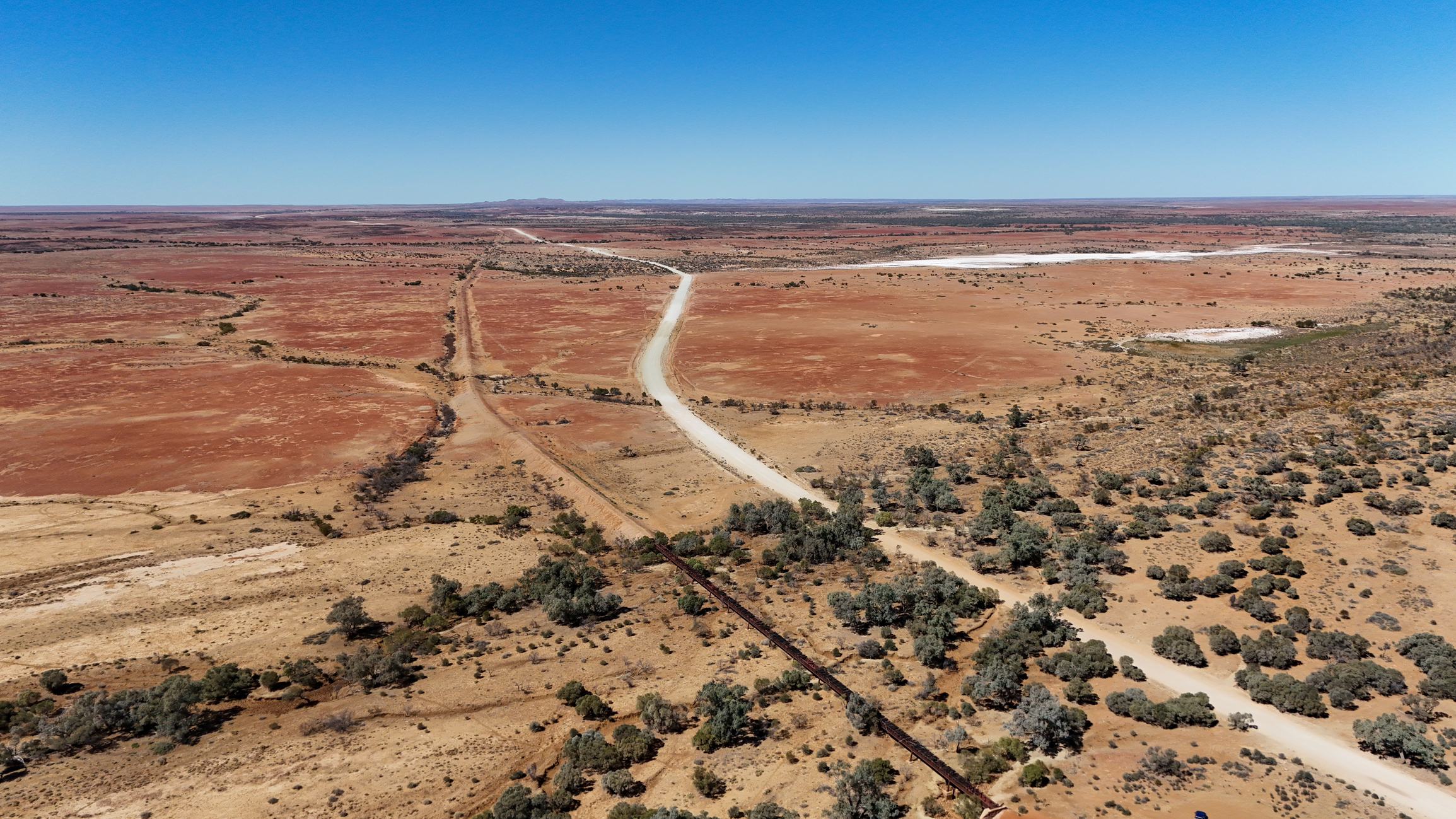
A decade-long study has revealed that malnutrition is widespread among adults admitted to a remote Central Australian hospital, with researchers warning the problem is far more common, and more complex, than many people realise.
The study, led by Charles Darwin University (CDU), examined 980 adult patients and found that almost half were at risk of malnutrition, while nearly 60 per cent of those assessed were already malnourished. More than two‑thirds of malnourished patients were Aboriginal, reflecting the deep health inequities faced by remote communities.
According to the study, malnutrition affected people across all body types, including those who were overweight or obese, challenging the common assumption that malnutrition only affects underweight people.
CDU senior lecturer in nutrition and dietetics Rachael Smalley said the findings confirm that simple screening tools used by hospital staff can reliably identify patients who need help.
“The study also highlights the impact of malnutrition, which is a significant and persistent health issue in remote hospitals and also across Australian hospitals,” she said.
The research also found that a screening tool designed specifically for Aboriginal patients was particularly effective at identifying people who needed further assessment. The tool worked well because it was developed with Aboriginal patients in mind and detects early warning signs that other tools might miss.
Professor Natasha Franklin, dean of nursing and midwifery at CDU, said the study highlights the broader challenges faced by people living in remote areas and the causes of the higher rates of malnutrition.
“[These include] factors such as food insecurity, socioeconomic disadvantage, geographic isolation, limited access to healthcare services and high burden of chronic disease,” she said.
“The study highlights the need for earlier intervention and detection when managing patients who are malnourished or at risk of malnutrition, and that a multidisciplinary approach including community and hospital coordinated care is critical for patients' long-term nutrition care.”
The study found that malnourished patients in the remote hospital were younger than malnourished patients in city hospitals. This reflects the younger age profile of remote Aboriginal communities, where chronic disease often develops earlier in life.
The study notes that Aboriginal patients with malnutrition were “12 years younger compared to non-Aboriginal” patients, highlighting the earlier onset of illness and the cumulative impact of disadvantage.
Researchers also warned that some standard hospital assessment tools may not work as well for Aboriginal patients, particularly where English is a second or third language.
The authors say culturally appropriate tools, including those that account for language differences and communication styles, are urgently needed.
Malnutrition is known to increase hospital stays, worsen health outcomes and drive up healthcare costs. The study confirms that the problem is even more severe in remote areas, where access to nutritious food and regular healthcare is limited.
The study’s authors conclude that malnutrition is “a significant problem in patients in a unique remote hospital in Central Australia … where people residing in very remote areas are extremely vulnerable to lack of health services and nutritious and affordable food.”
Their hope is that these findings prompt earlier screening, better follow‑up care and more culturally appropriate tools to ensure patients are identified and treated before their health deteriorates.