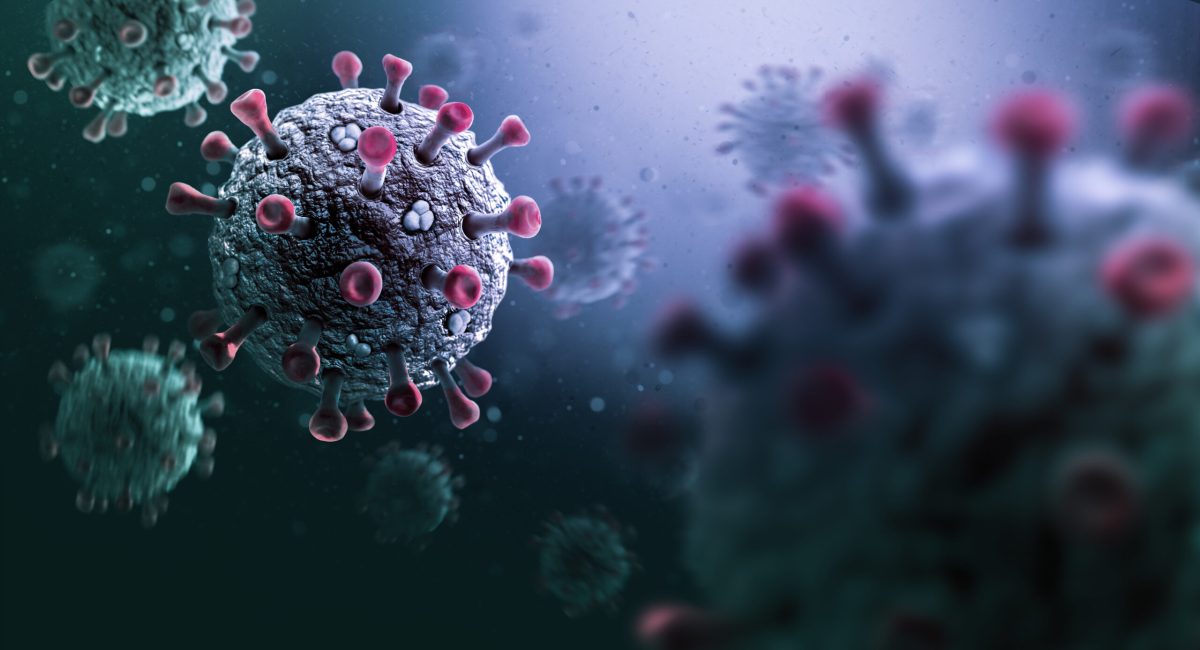
Medical experts have called for a quick response to curb monkeypox in Australia after the World Health Organization declared the virus a global emergency.
Since the disease was first reported in Australia on May 20, there have been 44 cases of monkeypox in the country: including 24 in NSW, 16 in Victoria, two in the ACT, one in Queensland and one in South Australia.
Over the past two months, global case numbers have risen from below 10,000 to more than 15,000.
Deakin University epidemiology chair Catherine Bennett said the majority of cases in Australia were linked to overseas travel.
"When you have the numbers getting up around the world it’s much harder to know when someone might have been exposed and to manage this risk well,” Bennett told Sky News.
Monkeypox, a rare viral infection typically found in animals in central and western Africa, spreads through close skin-to-skin physical contact with an infected individual.
Symptoms included rashes, lesions or sores around the mouth or the body, swollen or sore lymph nodes, fever, headache, chills or exhaustion.
The disease is considered endemic in 11 African countries and has since spread overseas into 75 countries.
Director-general of the World Health Organization, Tedros Adhanom Ghebreyesus, declared the virus a global health emergency on Sunday, despite a lack of consensus among UN health experts.
This marks the first time in history such action has been taken.
"In short, we have an outbreak that has spread around the world rapidly, through new modes of transmission, about which we understand too little," Ghebreyesus said.
"For all of these reasons, I have decided that the global monkeypox outbreak represents a public health emergency of international concern."
According to the WHO, smallpox vaccines are about 85 per cent effective in preventing monkeypox.
In a recent statement, the Australian federal health department said it was "working closely with our state and territory counterparts to ensure a swift and coordinated response".
It also recognised the outbreak has seen "a large proportion of cases among gay, bisexual or men who have sex with men".
Infectious diseases physician Dr Paul Griffin told the ABC yesterday he was concerned monkeypox cases could slip under the radar due to the current spread of Covid-19.
"That sort of pressure on the healthcare system and limited capacity to deal with the normal things does raise the potential for missed cases,” he said.
“We need to make sure that we address the Covid issue and make sure we do continue to educate our clinicians and the general public about this, so that the chance of missing cases is as low as possible.”