“I’ve had a patient strangle me, throw poo on me, throw urine at me. I’ve been spat at,” said registered nurse Jackson Heilberg in his short docu-series about violence in nursing.
“The verbal abuse is mind-blowing,” said another nurse.
“It just makes an already challenging day harder when you have a patient that is really aggressive.”
Physical violence, aggression, verbal insults, mental health, and death are all unfortunate aspects of the daily life of a nurse.
A new web-series titled ‘Wouldn’t you like to know?’ has put the spotlight on the challenges and rewards of healthcare from the perspective of 15 nurses working across the profession.
Co-creator Jackson Heilberg said he hopes the episodes will encourage nurses to talk freely about what they go through every day.
“I think it's given them the realisation that they can speak out and they can be open about what they're experiencing,” said the 27-year-old.
“We don't talk about these things because we feel like we'll get reprised from our employer or the public.
“This almost gives them like a license to talk about some of these things: death and dying violence and abuse.”
Garnering thousands of views, the first episode of the series heard graphic stories of nurses being threatened, kicked and punched.
One nurse recounted having to take a out restraining order after a patient harassed her and threatened to hurt her and her children.
Jackson said that the series has helped to highlight the rapid nature of cumulative violence faced by nurses on shift.
“It was a mix of emotions throughout the hour or so that we interviewed each person,” he said.
“I knew there was physical violence, and I knew what I experienced, but I didn't realise some of the stories they had, like being strangled or having to call the police.”
Working briefly in trauma, general medicine and paediatrics, Jackson has spent most of his nursing career in emergency wards.
He said originally the idea for the web series came about through his blog, The Nurse Break, which he started as a student in 2019.
“There were a lot of misconceptions about the role of a nurse, and I was meeting some really interesting nurses at the time,” he said.
“I really just wanted to capture some of the experiences of the people’s stories that I was meeting, and I turned it into a blog.”
In developing the blog, Jackson said he wanted to showcase the varieties and complexities of nurses to build better understanding among different health workers.
“At the end of the day, nurses work in big multidisciplinary teams with multiple different healthcare workers,” he said.
“Interviewing other healthcare workers, bringing in some of the multidisciplinary team together, helps us improve nursing because we can all learn how we work better together.”
As of 2021, The Nurse Break has received over half a million views and has become a well-known platform for nurses to volunteer to share their experiences.
“We’ve interviewed people from students to directors of nursing, and CEOs of organisations such as the Royal Flying Doctor Service,” said Jackson.
“It's a space for health professionals to share what they do in their careers to collaborate and learn.”
Earlier this year, Jackson collaborated with his friend and filmmaker Daniel Delaway to produce the 12-part web series for YouTube.
The pair both met as volunteers for St John’s Ambulance Services while attending university in Melbourne.
“I think it was really interesting for me to get way more detail on the day-to-day of being a nurse,” said Daniel.
“I only experienced a little bit of violence when I was at St John’s, like patients coming out of brawls and not wanting to be treated, but they have it on a daily basis at ER.
“I think that was pretty interesting to hear the specifics of people who have worked in the industry for 20, 30 years.”
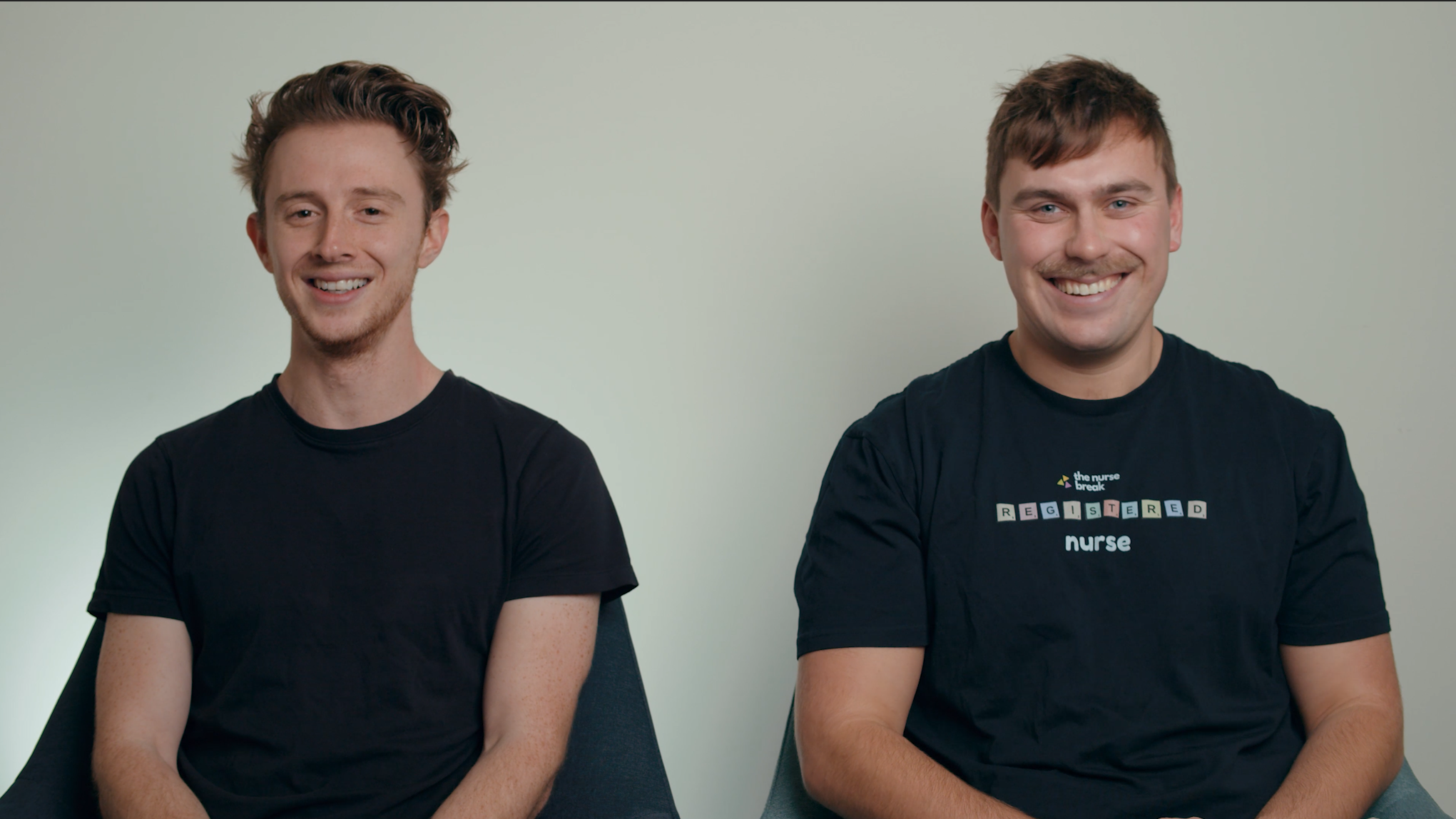
Daniel, whose work also explores the real-life stories of everyday people, said that the process of creating the series was an “eye-opener”.
“Some of the stories are amazing and very sad and very interesting,” he said.
“The idea is with these miniseries, including the one i did with Jackson, is to help encourage people to be more proactive about capturing their stories while they’re alive.”
In the most recent episode, the nurses were asked about their relationship with death.
According to Jackson, this is a topic which is often left by the wayside.
“That's a unique aspect of our careers,” he said.
“We are there at your birth and then when you die.
“I think that’s a taboo that a lot of people don't talk about openly.”
In the future, Jackson hopes to touch on rural and remote nursing, meeting the needs of LGBTQ+ nurses and midwives, and paediatric experiences.
“I would say that nurses have been a silent majority since the inception of nursing and it's time to change that,” he said.
“There's many places I could take it. I just have to find what's best for the nursing community.”