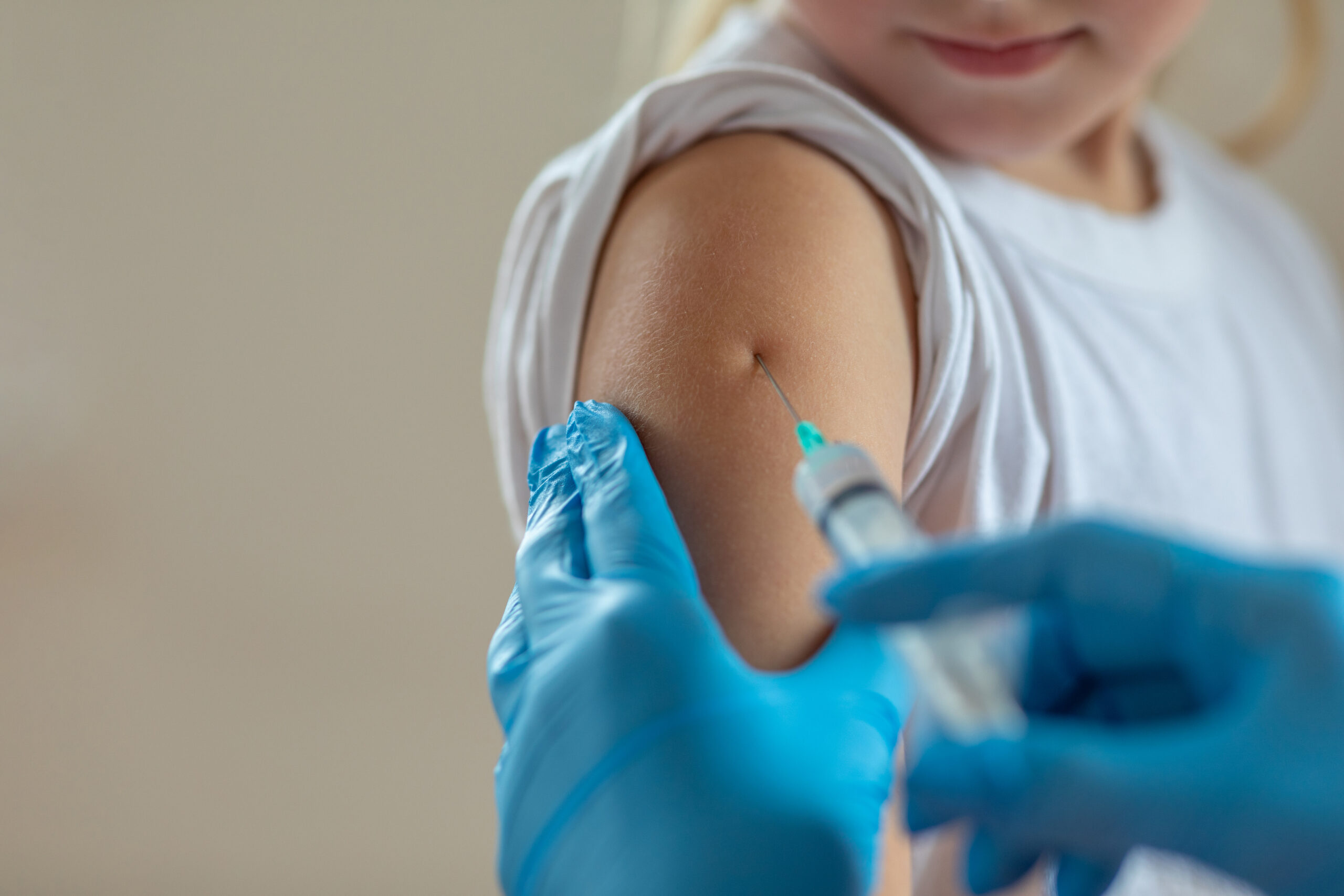
The NSW government has launched a personalised childhood vaccination schedule tool for parents amid a sudden surge in the highly infectious disease measles across the state.
Health Minister Ryan Park said it was important for parents to be aware and proactive with their children’s vaccination schedules.
The move follows rising reported cases of measles across NSW and in Victoria.
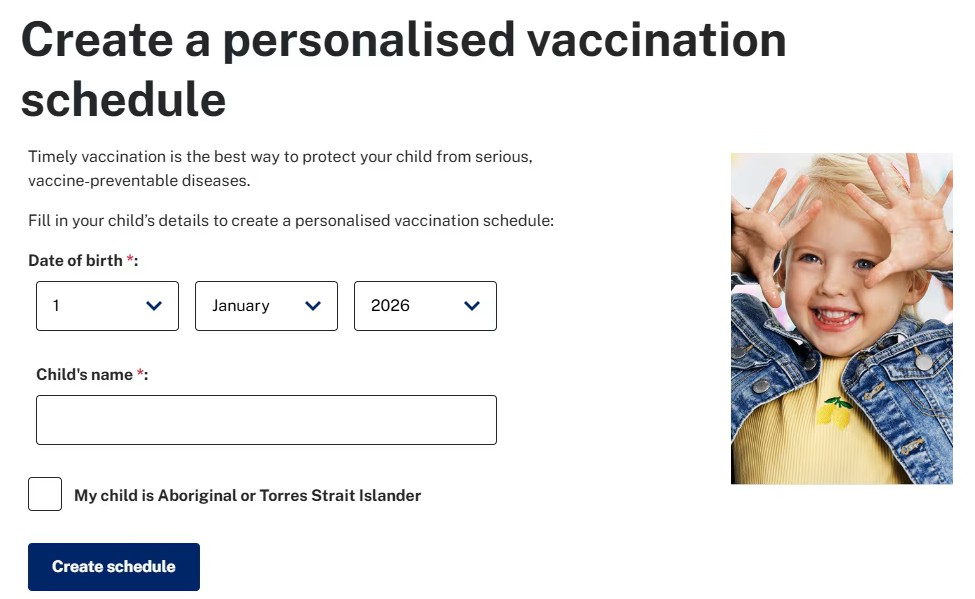
In NSW, the new tool creates a customised vaccination schedule based on the National Immunisation Schedule with the due dates dependent on the child’s date of birth.
The scheduling ensures that children have the highest level of protection.
With the tool, parents will receive a reminder one week prior to the vaccination due date along with an “add to calendar” feature.
More than 90 per cent of children are fully immunised, with Victoria sitting at 92 per cent, but health authorities say that the rate needs to climb further to protect the community.
Declining vaccine confidence
The customisable tool builds on research commissioned by NSW Health, which found that many parents felt unsure about when and where to start their children’s vaccinations. The survey, of more than 2000 parents, found a number of barriers to vaccination.
The national survey by National Centre for Immunisation Research and Surveillance Australia found that 8.6 per cent of parents weren’t able to afford cost associated with vaccinations with 7.7 per cent finding it difficult to get an appointment.
Additionally, nine per cent of parents don’t trust information received from doctors or nurses and 8.3 per cent reported concerns about vaccine safety.
“We know that most missed childhood vaccinations in NSW are due to delays from parents who are time poor, overwhelmed or confused from the amount of information out there, so we wanted to create a trustworthy, easy-to-understand tool that reflects their child’s individual needs,” Dr Vicky Sheppeard, acting director of health protection at NSW Health, said.
Latest exposure sites
In NSW, the number of current exposure site sits at 55, while there are 57 in Victoria with an increase in risk around metropolitan Melbourne.
Exposure sites in Sydney and Melbourne include both domestic and international terminals at airports.
Victoria’s Department of Health and NSW Health have updated lists on their websites of exposure sites visited by people infected with the disease.
The alert states that it “can take up to 18 days for symptoms to appear after exposure” and emphasised that the community needs to look out for symptoms and get vaccinated.