Tens of thousands of nurses and midwives in New South Wales will receive their largest pay rise in more than two decades after the state’s Industrial Relations Commission (IRC) handed down a landmark ruling finding the professions had been historically undervalued.
The decision delivers wage increases of 16 per cent for registered nurses and midwives, 18 per cent for enrolled nurses, and 28 per cent for assistants in nursing, applied over three years from 1 July 2025. Between 10 and 22 per cent of those increases will be backdated to the first of the year.
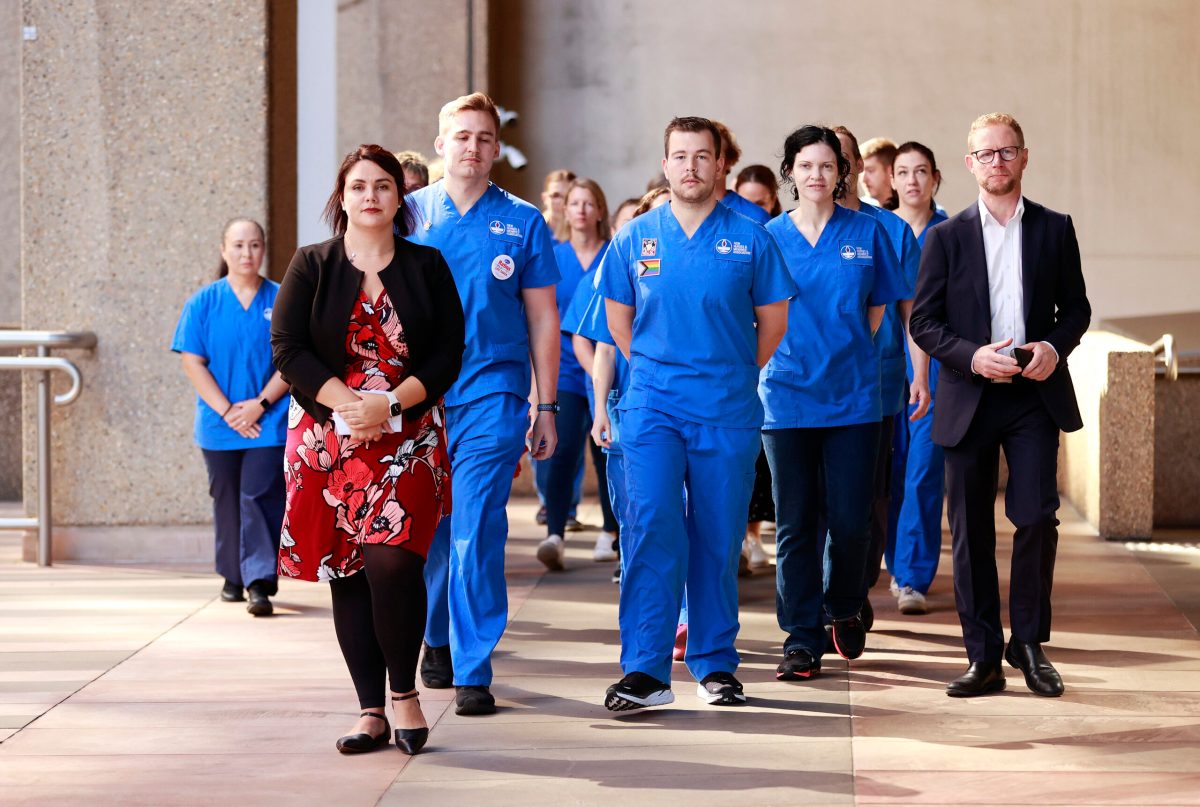
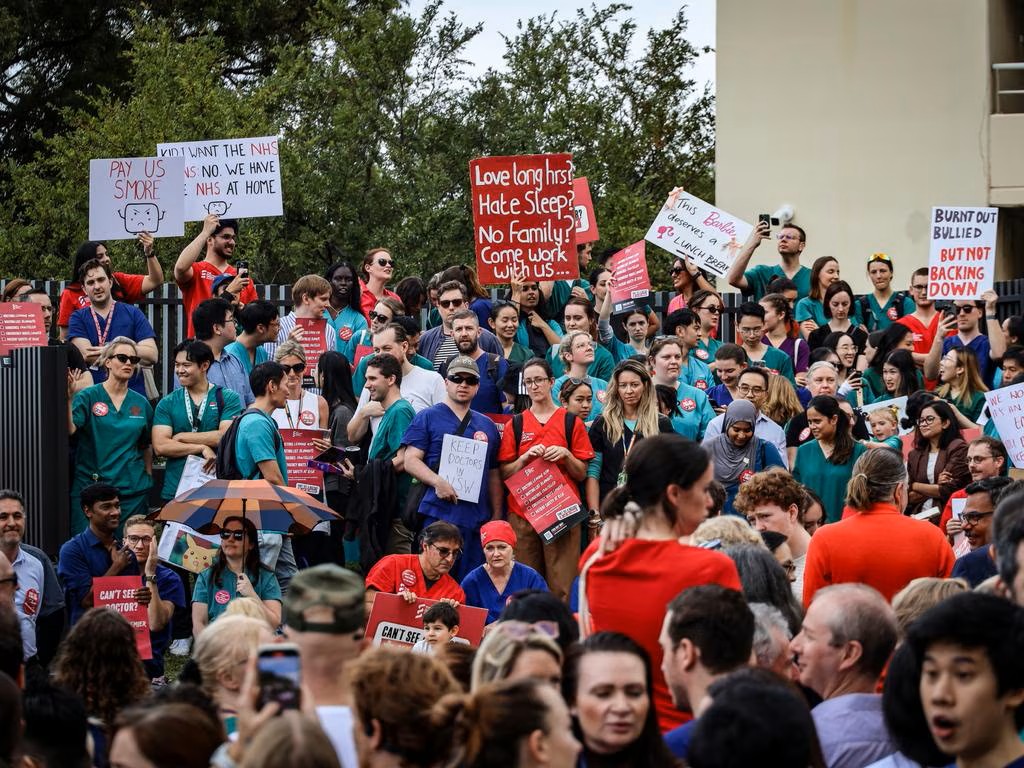
The ruling follows a long‑running dispute brought by the NSW Nurses and Midwives’ Association (NSWNMA), which argued that the work of nurses and midwives had intensified significantly over the past 16 years and that gendered undervaluation had suppressed wages.
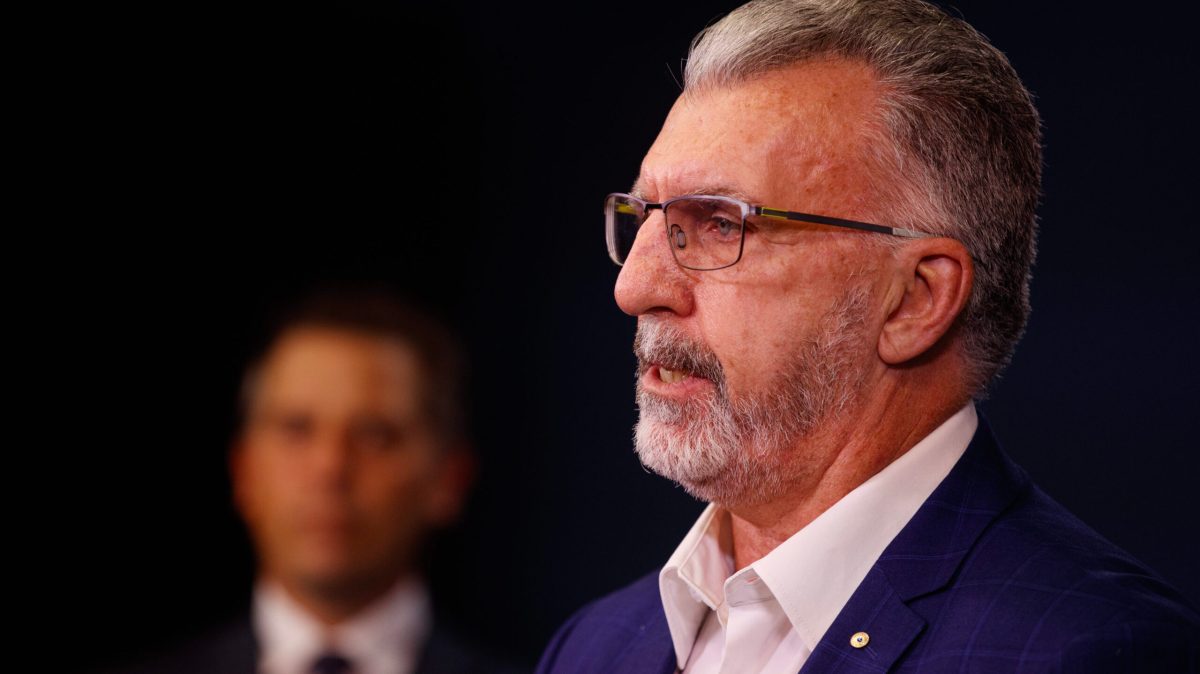
IRC president Ingmar Taylor expressed his agreement with the Union, finding that the professions had been hit particularly hard during the Covid‑19 pandemic, and that the “extraordinary and unexpectedly high rates of inflation” provided grounds for a one‑off pay reset.
“Nurses and midwives are currently undervalued and deserve a one‑off increase,” he said.
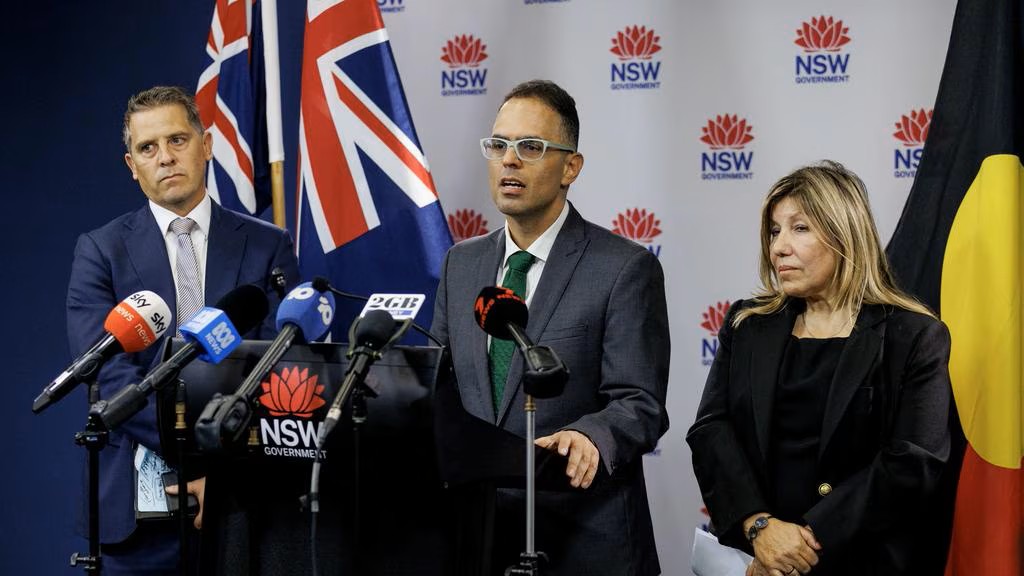
Government warns of multibillion‑dollar cost
The Minns government has welcomed the decision, describing it as a historic correction to years of wage stagnation under the former Coalition government.
NSW Treasurer Daniel Mookhey said the ruling reflected the government’s commitment to rebuilding the industrial relations system and supporting essential workers.
“Nurses and midwives are the beating heart of our health workforce,” he said.
“This pay rise is meaningful cost‑of‑living support that would have been impossible under the Coalition’s oppressive wages freeze.”
However, he acknowledged the financial impact would be significant.
“My own estimations are that the additional cost will be in the billions of dollars,” he said, noting the cost would be spread over the three‑year award period.
The IRC also cautioned that any increase would need to be debt‑funded, with each one per cent rise costing the state an additional $75.4 million per year.
The NSW Opposition has also welcomed the pay rise, whilst also accusing the government of mishandling negotiations and failing to be transparent about the budget impact.
Shadow Health Minister Sarah Mitchell said the government must guarantee that no health services or hospital projects will be cut to fund the increases.
“The government’s own lawyers argued in this case that service cuts may be required to fund any increase above what was already budgeted,” she said.
“The Health Minister failed to guarantee to patients and the wider community that no services will be cut and no hospital projects will be delayed by this decision.”
Shadow Treasurer Scott Farlow said the ruling exposed what he described as Labor’s “pre‑election lie” that its wages policy would have no impact on the state budget.
“The Treasurer has failed to act in an economically responsible way by giving clear answers to taxpayers about what impact this decision will have on the state’s bottom line,” he said.
Recognising gendered undervaluation
The Australian College of Nursing (ACN) said the decision made significant findings about the undervaluation of nursing work, particularly the “invisible skills” that have historically been overlooked in wage‑setting.
ACN chief Adjunct Professor Kathryn Zeitz said the ruling aligned with national findings that gendered assumptions had suppressed wages across the care economy.
“The Bench found that nursing skills, including complex communication, interpersonal skills and complex problem solving, have never before been evaluated in wage‑setting,” she said.
“Because these skills are gendered in nature and have not been formally recognised, they are known as ‘invisible skills’.”
The ACN said the ruling could have national implications, including for upcoming Fair Work Commission proceedings on federal nursing awards.
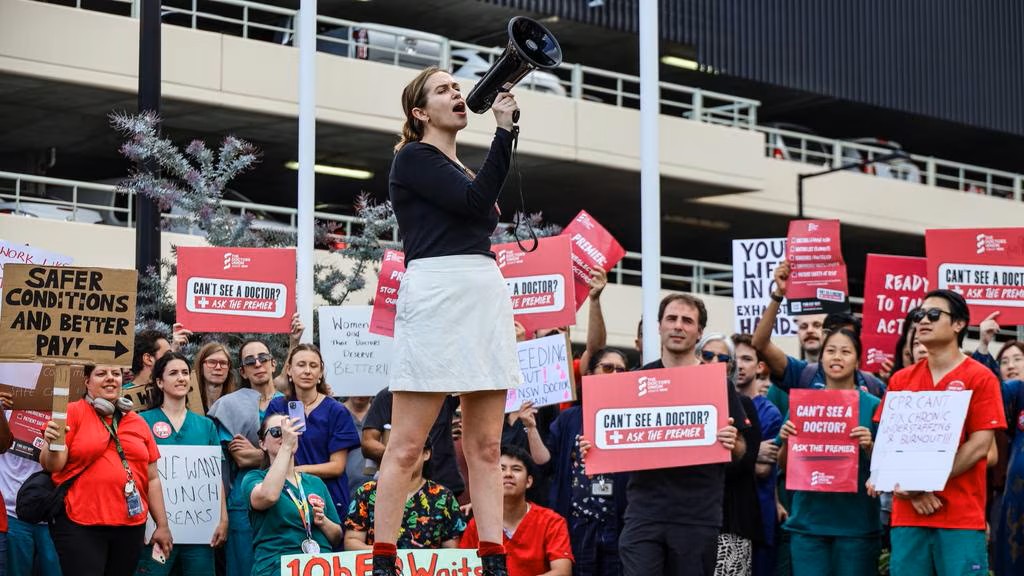
Picture: NCA NewsWire/Nicholas Eagar.
The NSWNMA said the ruling was historic but warned it would not fix the deeper structural issues affecting the state’s health system.
General secretary Michael Whaites said the outcome, while recognising the undervaluation of enrolled nurses and assistants in nursing, fell short for registered nurses and midwives.
“For registered nurses and midwives, it is not enough to fix the structural reform we need in this state,” he said.
“This is an outcome that says women’s work has to remain undervalued because of the economy.”
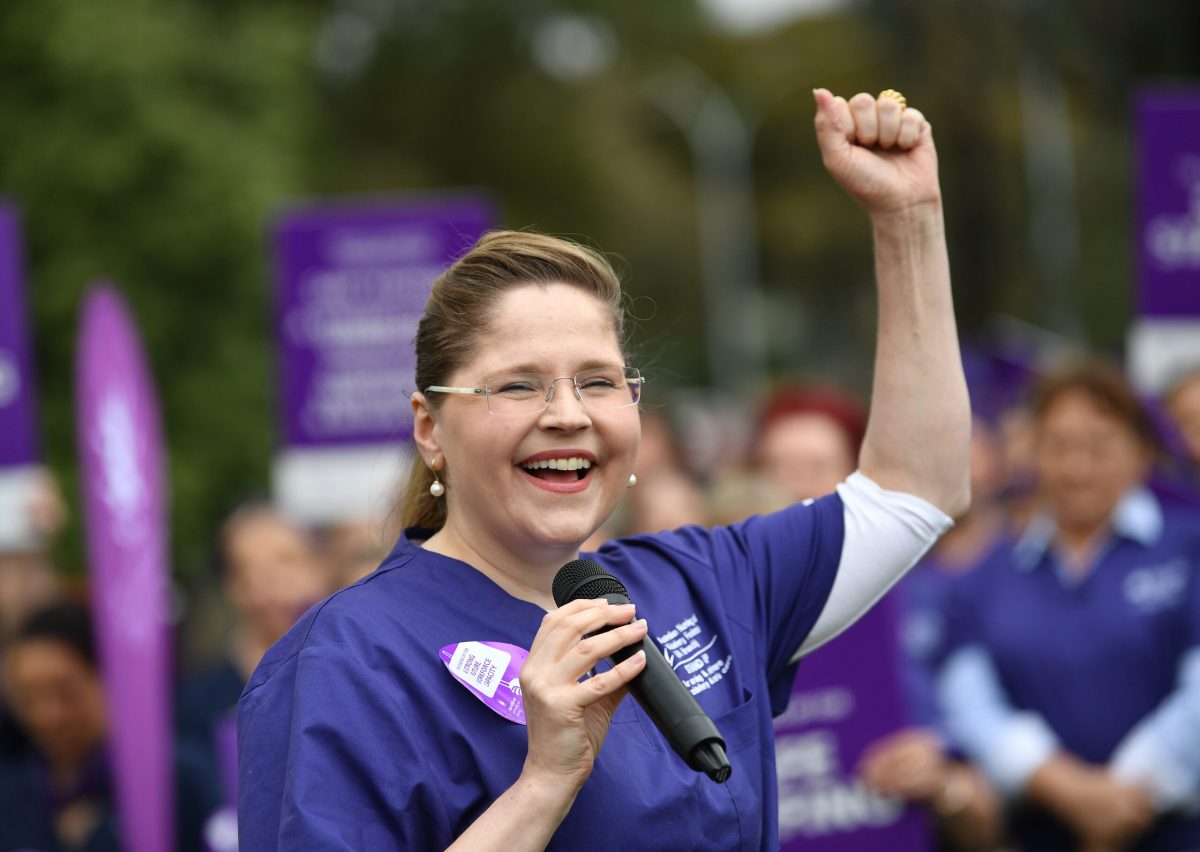
Assistant general secretary Katrina Bough added that the increases are unlikely to resolve workforce shortages or cost‑of‑living pressures.
“Nurses and midwives are struggling to pay the bills in this cost-of living crisis. While we welcome the boost to their wages, it doesn’t address the gap between male dominated industries and our heavily feminised workforce,” she said.
“It risks more experienced nurses and midwives leaving our public health system in coming years.”