Public sector nurses and midwives across New South Wales are at a pivotal moment in their long-running campaign for fair remuneration and improved working conditions, embarking on one of the state’s most significant industrial cases in decades,
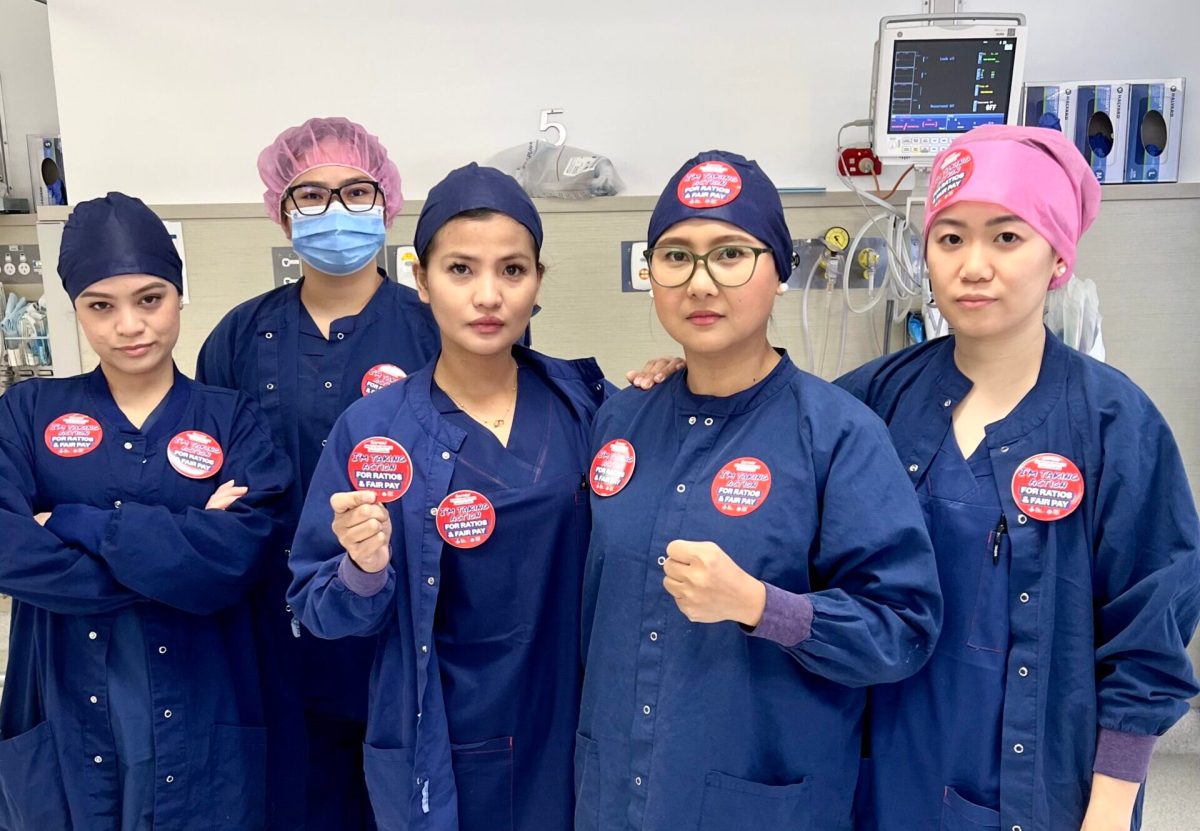
The New South Wales Nurses and Midwives’ Association (NSWNMA) is seeking a substantial 35 per cent pay increase over three years, alongside crucial enhancements to working conditions.
This landmark legal battle follows an interim agreement reached earlier this month, providing some immediate relief. The interim offer, accepted by NSWNMA members, included a three per cent pay increase, backdated to 1 July 2025, and an additional 0.5 per cent in superannuation.
Crucially, the night duty penalty rate increased from 15 to 20 per cent, bringing it to parity with nurses and midwives in Queensland, and long-standing concerns regarding working conditions were addressed by guaranteeing two consecutive days off and requiring consultation for roster changes.
“Nurses and midwives are struggling to pay their bills in this cost-of-living crisis so any financial relief is welcomed,” NSWNMA general secretary Shaye Candish said.
“Improvements to rosters will also provide staff with greater work-life balance.”
Despite the interim agreement, the NSWNMA has made it clear that the fight for a comprehensive and equitable pay rise is far from over.
The union’s case for a 35 per cent pay increase over three years commences today, before a Full Bench of the NSW Industrial Relations Commission (IRC). The hearing is scheduled to run for six weeks, concluding on 7 November, with final submissions reserved for December.
The NSWNMA’s legal argument is built upon more than 17,400 pages of evidence, drawing on the insights of over 50 nurses, midwives, experts, and academics.
“It’s disappointing we weren’t able to settle our pay claim out of the courts, after almost two years of campaigning for a decent pay offer for our members,” Ms Candish said.
“We are putting the best possible case forward to deliver public sector nurses and midwives across NSW the recognition, pay, and conditions they rightly deserve.”

NSWNMA assistant general secretary Michael Whaites said a core tenet of the NSWNMA’s case is the gendered undervaluation of nurses and midwives’ work.
“Our evidence sets out work value changes that nurses and midwives have experienced over the last 16 years, including the challenges and complexities of their clinical work,” he said.
““We also have expert evidence that demonstrates the current and historic gender-based undervaluation of nursing and midwifery, including the worsening gender pay gap in the public sector, which is at a decade-high.”
The union’s evidence also addresses the significant work value increase over the past 16 years, the impacts of productivity and inflation on the workforce, and the critical issues of recruitment and retention across the public health system.
“We won’t fix the issues in the public health system until we value and respect our nurses and midwives,” Mr Whaites said.
This landmark case holds the potential for profound change, that will impact every nurse and midwife in the NSW public sector.
A successful outcome would not only provide a much-needed financial boost but also offer overdue recognition for the complex, demanding, and often undervalued work of nurses and midwives. It aims to address wage stagnation, making nursing and midwifery a more competitive and attractive career path.
The NSWNMA believes a significant wage increase is essential to boost recruitment and retention, thereby alleviating chronic workforce shortages that impact patient care.
“It’s time nurses and midwives were appropriately remunerated and recognised for the critical and undeniable role they play in the public health system,” Mr Whaites added.
The IRC hearings, live-streamed on the IRC’s YouTube channel, represent a crucial moment for the future of nursing and midwifery in New South Wales. The outcome will shape the landscape of healthcare in the state for years to come, and reflect how society values caregiving as a career.