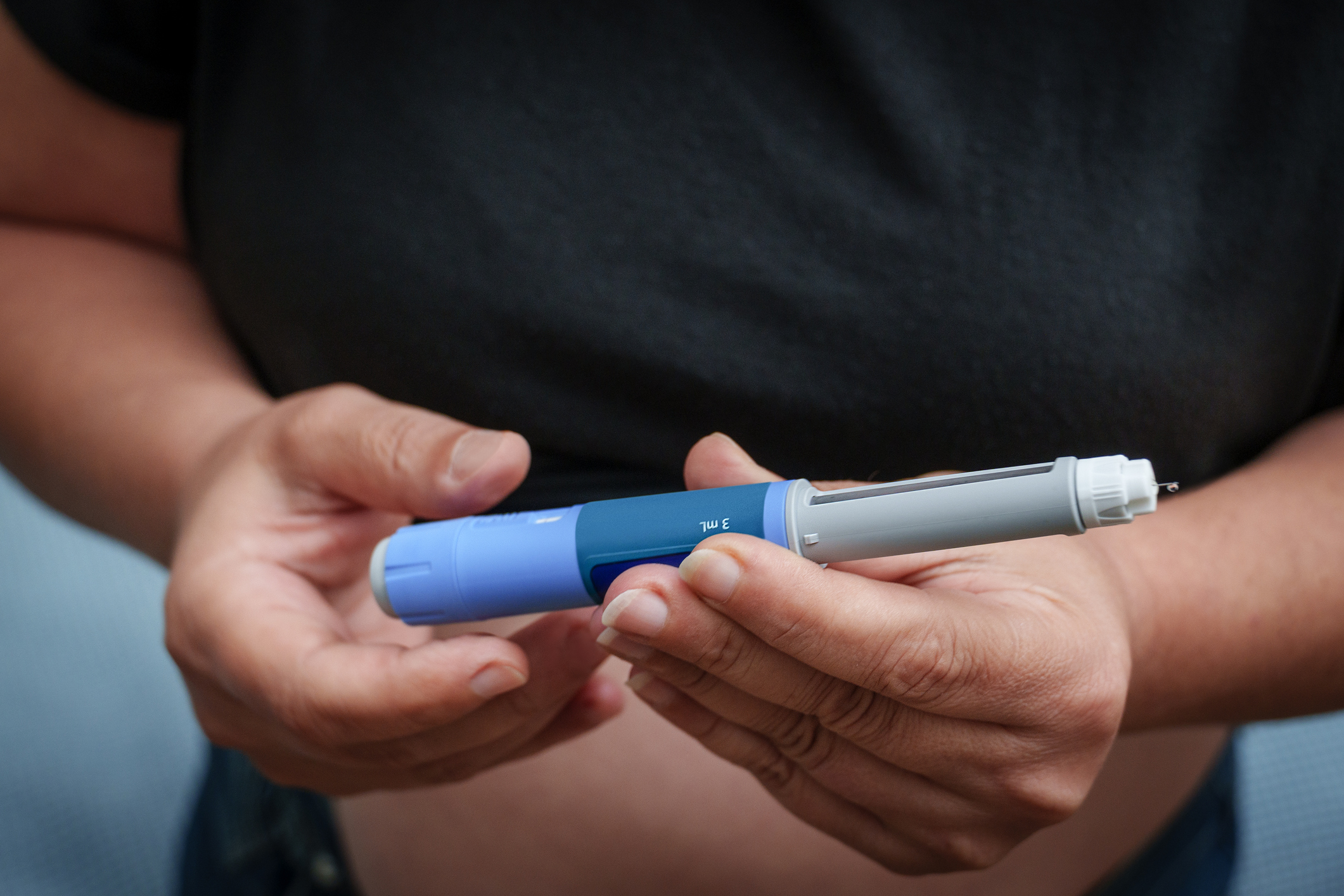
More than two people a day are being admitted to hospital in NSW because of illness or injury linked to unapproved peptide products that promise health benefits, prompting a fresh warning from authorities about the risks of substances promoted online.
The latest NSW Health surveillance data shows there were 1180 emergency department presentations associated with peptide use between 1 July 2025 and 30 September 2026, highlighting a sharp escalation in peptide-related harm.
Presentations rose from just five cases in July 2025 to more than 217 in September 2026, with NSW Health noting such presentations were previously rare.
Health Minister Ryan Park warned consumers about products being marketed through social media, online retailers and informal sellers despite lacking approval in Australia.
“We know that using these unapproved substances can come with real health risks, but it’s particularly alarming to see the growing pressure they’re placing on our health system,” Mr Park said.
“Even when a product looks professional or comes in convincing packaging, that does not guarantee it is safe for use.
“I’m urging the community to be mindful of the potential long-term harms of unprescribed peptides, and speak with their GP for safe, evidence-based health advice.”
NSW Health said people may be turning to peptide products in search of “wellness” benefits, with products commonly marketed as promoting weight loss, accelerating injury repair or even reversing ageing.
Substances frequently advertised include BPC‑157, GHK‑Cu, TB‑500, retatrutide and CJC‑1295, none of which are currently approved in Australia for any purpose.
Health authorities warned products purchased online or through unofficial channels may contain unknown ingredients, different strengths to those advertised, or harmful contaminants. NSW Health is also monitoring reports of serious adverse effects, including kidney damage and liver injury.
Chief Health Officer Dr Kerry Chant said consumers should not assume products are safe simply because they appear legitimate.
“A professional looking website, a label, purity claim, reviews, or influencer endorsement is not proof of what is inside the product,” Dr Chant said.
“The contents and strength may also vary between products carrying the same label.
“We encourage people to discuss the risks, benefits and safer alternatives to products they see advertised with their usual general practitioner or qualified healthcare provider.”