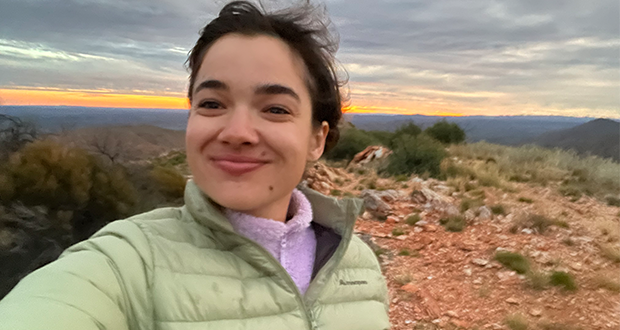
A mental health nurse graduated with her master's degree, hoping to climb the ranks to help patients at her rural hospital.
Sonia Bayley was a consultant liaison nurse at Alice Springs Hospital when she realised she needed to further her studies to help her local community.
"We’re very short-staffed in Alice Springs," Sonia told Nursing Review.
"Having this degree and specialised training will help the community we care for."
Sonia began her journey as a mental health nurse in 2013 working at various acute psychiatric hospitals across Melbourne.
When Covid-19 hit, Sonia felt like her life and job had reached a daunting standstill.
"I was really burning out, and I was just very unhealthy with everything," she said.
In 2021, Sonia made an abrupt decision to move to the Northern Territory and found her calling as a consultant liaison nurse at Alice Springs Hospital.
"Since coming here, I’ve come to a highly specialised and unique unit in Australia that I don’t think I can get anywhere else," Sonia said.
"I work with First Nations Australians suffering from mental illnesses, and we have a very holistic approach where we incorporate traditional Western medicines and traditional cultural medicine."
"Witnessing their interwoven hardships, adversities, and complexities when delivering holistic care is a really social, spiritual, and emotional experience."
A year ago, Sonia recognised that she wanted to do more with her work at the hospital and broaden her scope of practice.
After a long search, she enrolled at The University of Newcastle’s Master of Mental Health Nursing program.
"I needed something that was online and flexible because I wanted to still work at the hospital," Sonia said.
"I emailed the Australian College of Mental Health Nurses about studying at the University of Newcastle, and they said it was a great curriculum."
It’s no secret that nurses are burning out and quitting their jobs.
The Department of Health and Aged Care reported that in the last seven years, the number of nurses taking an extended leave of absence had increased by 60 per cent.
A study by the Australian Primary Healthcare Nurses Association also found that 30 per cent of nurses plan to leave the profession in the next five years.
For Sonia, burnout was a lived and learned experience that she would never want to go through again.
"I am reluctant to do extra shifts unless I feel motivated myself," Sonia said.
"I have clear boundaries and really practice self-care like exercising, having hobbies outside of work, and being kind to myself."
Due to the closeness and cohesiveness of the team, Sonia said feelings of guilt would sometimes bubble within her when she would reject a shift.
"It was bad when I first started, but I had to get into a habit of reminding myself that extra shifts would not help in the long run and would damage me and, eventually, the team."
With mental health nursing on a steady rise, Sonia said the government should support mental health nurses to keep them on the job.
"Keep professionalising mental health nurses and providing support and incentives for us to grow, learn, and develop," Sonia said.
"When people stay in jobs, they believe to be static; it kills their enthusiasm to learn and become better."