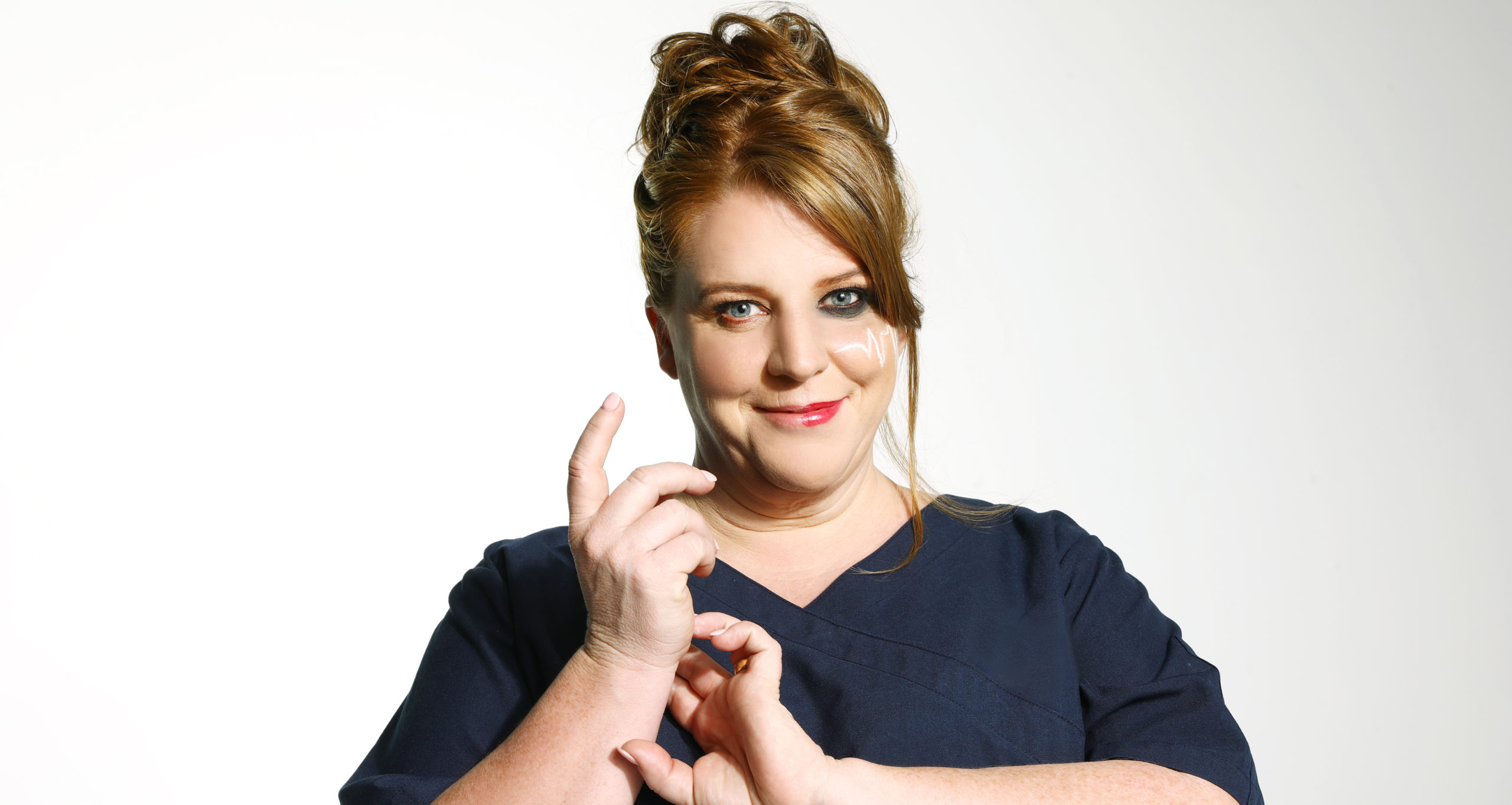
A nurse starts their career with a truckload of compassion. Over the years, that compassion does truck off somewhere.
This is what it can sound like.
I was on the morning shift taking over from a graduate nurse just finishing his first seven-night run in his first year of nursing. He had re-sprayed his deodorant and brushed his hair and his teeth for handover. I have been on dates with my husband where he has not put in that much effort. He read his handover from a script, so he did not miss a thing.
'Bed 7 is Peter; he is a 37-year-old gentleman with a six-year history of frequent admissions to hospital with ulcerative colitis, anxiety and depression. He presented to the Emergency department last night with abdominal pain and sepsis. He was rushed to theatre; he had a perforated bowel. They have done a massive resection and they had to give him a colostomy. He had a settled night on morphine sub cut. Every admission, his biggest anxiety has been that he would need a colostomy. He does not know about it yet, but the surgeons will be around in the morning to tell him.’
The mornings team leader had not turned up, so I got moved to that role, meaning I got handover again. This time from the night-time shift leader, Liz, a nurse who had been on permanent nights for over 30 years.
Liz’s permanent nights contract had been issued to her in 1983 on account of being a single parent with school-aged children. Liz was the last house standing; all her night-nurse colleagues’ contracts had been demolished. Management had for years tried to oust her from her nights. Their argument being that if they let Liz work only at night, then everybody would want to. Never had management been less in touch with what staff were wanting.
It was a lose-lose bout for management and a complete waste of energy on both sides. If they succeed in the fight to pull her from the dark side, Liz would be working the same hours as them, speaking in their meetings, meddling with the policies, barking at consultants. This was a fight management did not want to win. Even the dimmest of farmhands knows you do not put the fox and the chooks in the same cage. Let the fox skulk around in the dark while all the hens are safely tucked in the barn.
Like many night staff, she was frozen in the year she last lived in daylight. Liz had matted hair, the face of a Toby jug and the frame of a toffee apple. If working in a hospital teaches you nothing else, it teaches you that a person’s outward appearance is no indication as to their usefulness. She was absolutely the nurse you needed around when a patient deteriorated at night with only skeleton staff to revive them.
Anyway, the handover. She had not brushed her teeth or hair for handover, or perhaps for many years. She was in the middle of her seven-night run three-quarters of the way through a 48-year roster. Imagine if you will, this handover delivered with Liz’s broad Liverpuddlian accent.
‘Bed 7, Peter. You know Peter, scabby bowel, a right soft cock. Anyway, came in last night and you will never guess what? His bowel has finally burst, surprise, surprise? Anyway, if they had chopped a couple of miles of it out and chucked it in the bin like they should have done two years ago then they wouldn’t have had to move his arsehole to his abdomen like that. He’s never been that taken with the idea of a stoma and he didn’t know about it pre-op, so we’ve not told him, kept him asleep with morphine. Surgeons will be round in the morning to tell him.’
Liz is indeed a lyrical gangster; she stuck a little cherry on the top. ‘Pffff, surgeons will be around in the mornin’? But I’ll give him my arsehole if we see them before teatime.’
None are immune to these character modulations; it is a necessary hardening. Even I, the cheeriest of all the nurses, have had to adapt.
In my early days, I would cry and remain solemn for the rest of the shift every time I laid someone out after death. I could not keep that up; it got on the other nurses’ nerves and solemn does not suit me. I stopped the tears, but I still wanted to honour the recently dead in some way so after family and friends had visited, I would open a window so their soul could fly out. There came a point where I could no longer even do that as the hospitals had decided to glue windows shut, because people would throw their bodies out before their souls were ready.
I have adapted to the hospital culture and practice of not chattering away about trite things during the washing, combing and shrouding. It still feels significant for the most part. I admit, however, that if I feel that someone had no one, or that I had a special connection with them, I will leave an open bottle in the room for the soul to hop into before the body is transported to the morgue, and then take the bottle outside so the soul can go wherever it needs to.
Please do the same for me should I die in your care, just in case the afterlife is a thing.
This is an extract from Off the Charts by Georgie Carroll. Published by Pan Macmillan, RRP $34.99