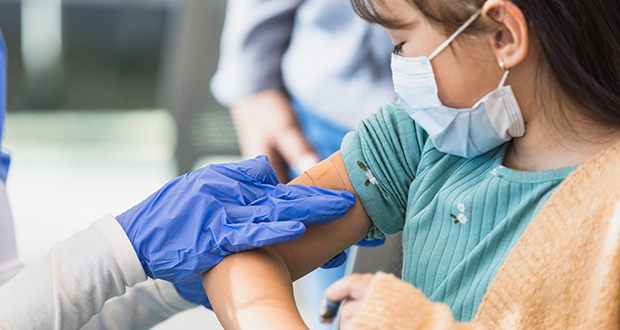
New research from the University of South Australia shows that children’s fears of vaccination and needles can be lessened when nurses spend additional time supporting children in the vaccination process.
Working with children aged 8-12 years, the preliminary study found that two new nurse-led techniques showed promise in reducing needle fear in primary-aged children.
Divided attention draws a child’s attention and expectations are away from the needle, and positive memory reframing addresses a child’s exaggerations about the distress and discomfort of needles by discussing the positive elements of the experience so that they form more realistic memories of the event.
Lead researcher Felicity Braithwaite says helping children reduce fear and distress around vaccinations is a critical research priority given the current Covid-19 pandemic.
“For many children, undergoing a needle procedure can be painful and distressing,” Braithwaite says.
“Negative experiences of vaccinations in childhood can often lead to medical avoidance and vaccine hesitancy into adulthood, which can have devastating consequences when it comes to outbreaks of preventable diseases.”
The new findings came after the Australian Technical Advisory Group on Immunisation (ATAGI) updated its vaccine advice for children earlier this month.
Australia will now become one of the first countries in the world to roll out a COVID-19 vaccination program for children aged under five years, after the United States and Canada.
From September 7, children aged six months to under five with severe immunocompromised conditions, disability, and complex health conditions, will be able to get a Moderna shot.
The vaccine advisory body noted that broader vaccination within the same age group would be under ongoing consideration based on emerging data.
Health minister Mark Butler said that 50,000 doses of Moderna’s paediatric vaccine were currently on the way to Australia, with another 250,000 doses due in late September.
The Therapeutic Goods Administration also announced it will evaluate applications for Pfizer to extend the use of its vaccine to children as young as six months old.
Just over 40 per cent of children aged between 5 and 11 have received their second dose of the Covid-19 vaccine, according to the latest health data.