Victorians are at ongoing risk of catching measles, as the state’s health authority issues an updated list of exposure sites that includes hospitals, airports and shopping centres.
On Saturday, Victoria’s health department confirmed two new cases of measles had been detected, bringing Victoria’s total to four confirmed cases in the first month of 2026.
All cases were linked to overseas travel to South-East and South Asia, with three flights from Phuket, Vietnam and Dubai identified as exposure sites.
Subsequently, a new list of sites visited by infected individuals has been published by the department.
It is recommended that those who have attended these sites monitor for measles symptoms for up to 18 days after their visit.
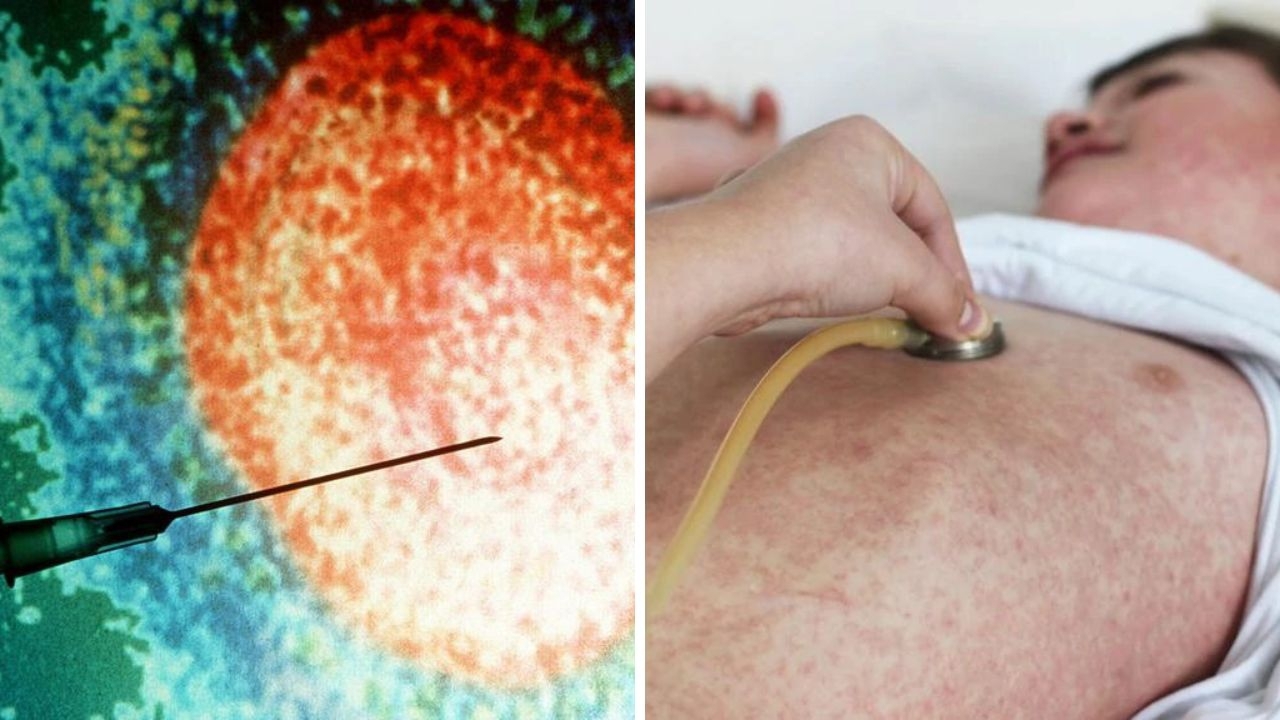
Symptoms include fever, cough, runny nose, red or sore eyes or feeling generally unwell, followed by a rash that often starts on the face before spreading down the body. People are urged to seek medical care if symptoms develop.
Authorities have advised anyone who suspects they may have measles, but have not received two doses of the measles-mumps-rubella vaccine (MMR vaccine) or are unsure, to contact their GP.
Exposure in Sydney
Last week, an urgent measles alert was issued for Sydney, with health authorities warning the city is also at an “increased risk” of the highly infectious disease.
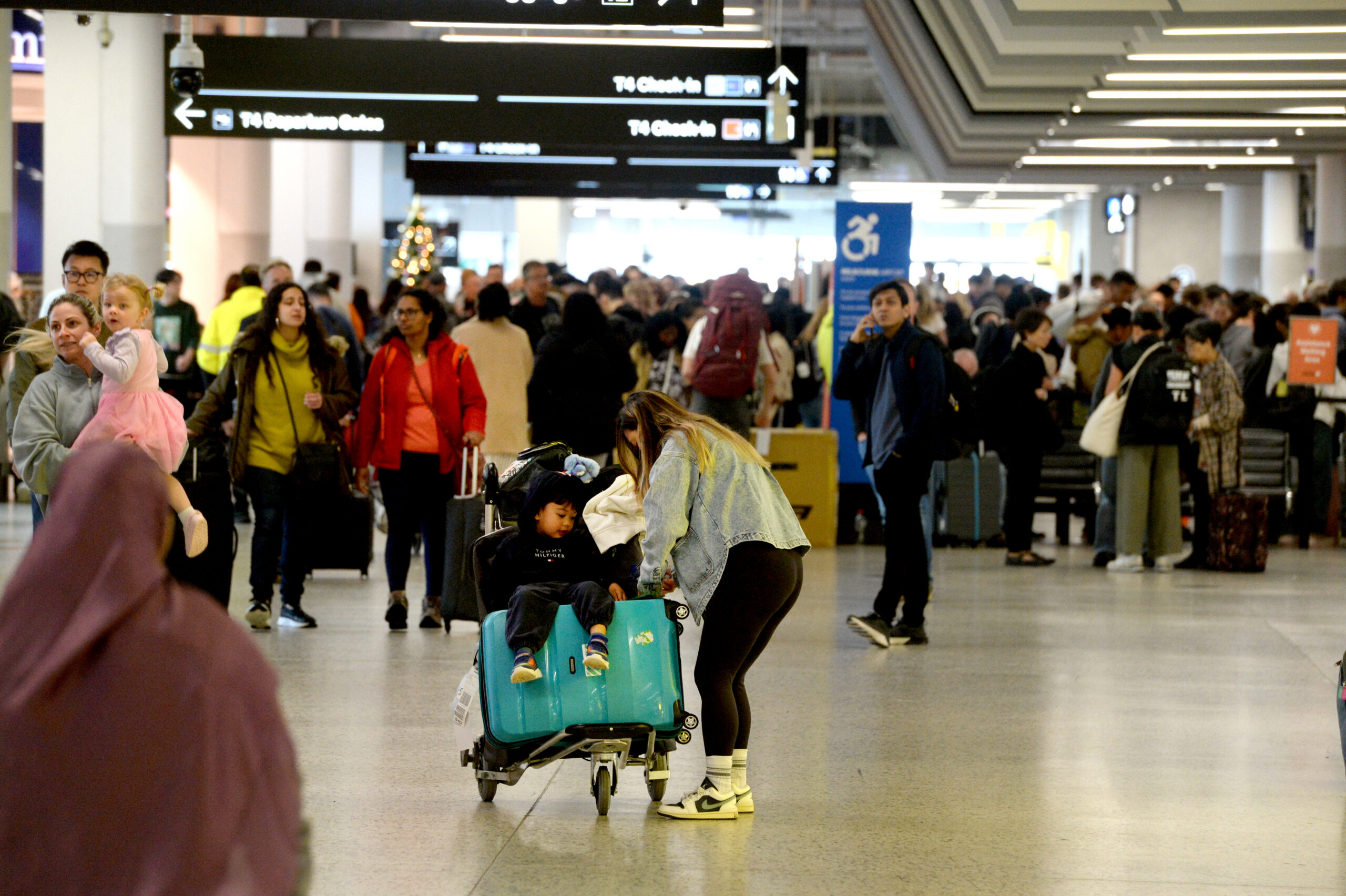
People who were at Sydney International Airport or Central Station in Sydney on January 27 are being told to watch for symptoms of measles, a statement from NSW Health said.
As with Victoria, the warnings come after a confirmed case of measles recently returned from South-East Asia.
There is also a current increased risk of measles in NSW, generally – with 14 cases confirmed since December 1, 2025.
Vicky Sheppeard, the executive director of health protection in NSW, said people should monitor for symptoms of measles as it can take up to 18 days for symptoms to appear after an exposure.
She has also urged people to check the list of locations on the NSW Health website to see if they visited any of these at the listed time.
“Symptoms to watch out for include fever, runny nose, sore eyes and a cough, usually followed three or four days later by a red, blotchy rash that spreads from the head to the rest of the body,” Ms Sheppeard said.
“Importantly, we want to remind the community to make sure they are up to date with their vaccinations. The measles vaccine can prevent the disease even after exposure, if given early enough”.
“Anyone born after 1965 needs to ensure they have had two doses of measles vaccine. This is especially important before overseas travel, as measles outbreaks are occurring in several regions of the world at the moment,” she said.