The Australian nursing sector navigated a dynamic and often turbulent landscape in 2025, marked by significant industrial disputes, critical policy shifts, and profound ethical challenges.
From landmark pay negotiations and expanded scopes of practice, to the fallout from professional misconduct and systemic pressures in aged care, nurses and midwives across the nation found themselves at the forefront of change.
January
The year began with a positive public health initiative as the Albanese Government rolled out a free vaccine program for pregnant Australians. From January 21, expectant mothers gained access to free vaccines against Respiratory Syncytial Virus (RSV) under a major expansion of the National Immunisation Program.
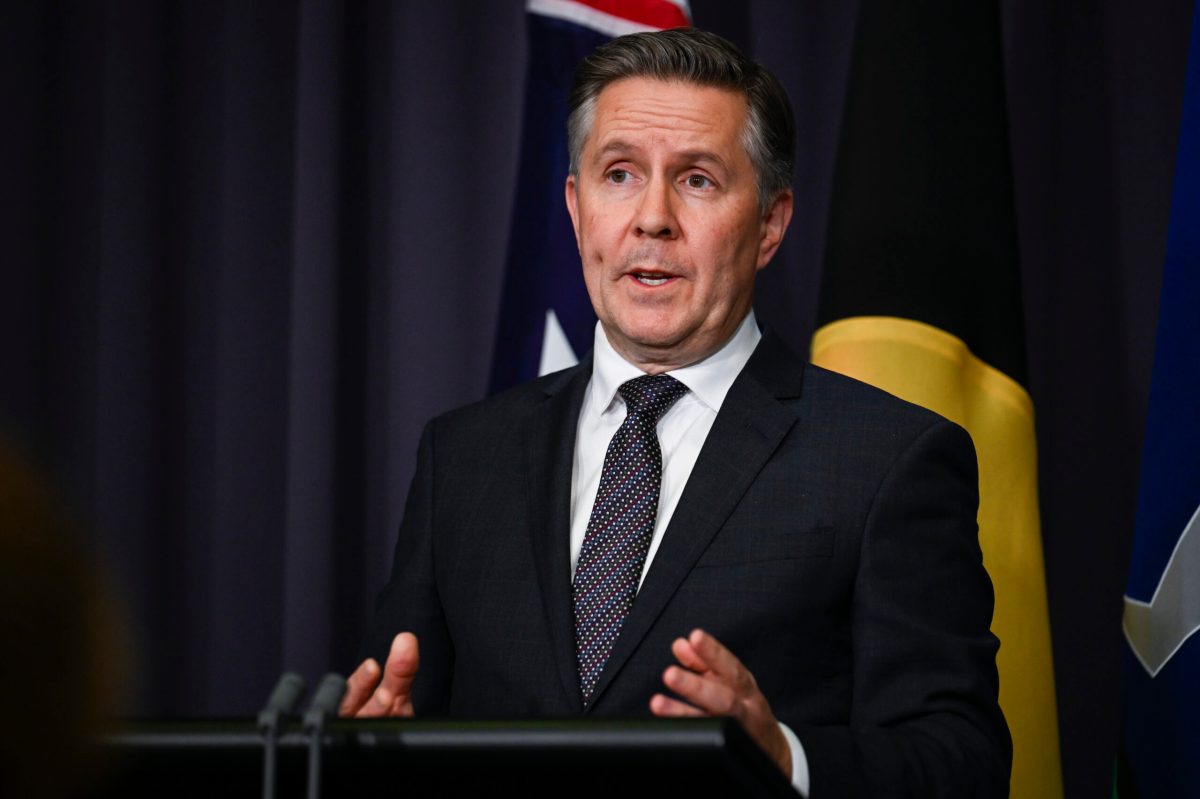
Health Minister Mark Butler described the initiative as a "world-leading approach" to protect infants from RSV. Nurses and midwives played a crucial role in the implementation of this program, administering the vaccine and educating families on its benefits.
February
In February, the nursing profession faced a stark reminder of its ethical responsibilities when two nurses, Ahmad "Rashad" Nadir and Sarah Abu Lebdeh, were deregistered by the Nursing and Midwifery Council of NSW, effective February 13, following antisemitic remarks and threats against Israeli patients.
The NSW Nurses and Midwives’ Association (NSWNMA) assistant general secretary Michael Whaites condemned the actions.
"We find the comments to be abhorrent, and I want to reassure the people of Australia… that they do not speak for nurses and midwives, they do not speak for our profession."
The incident sparked broader discussions on professional conduct and the integrity of the healthcare workforce.

March
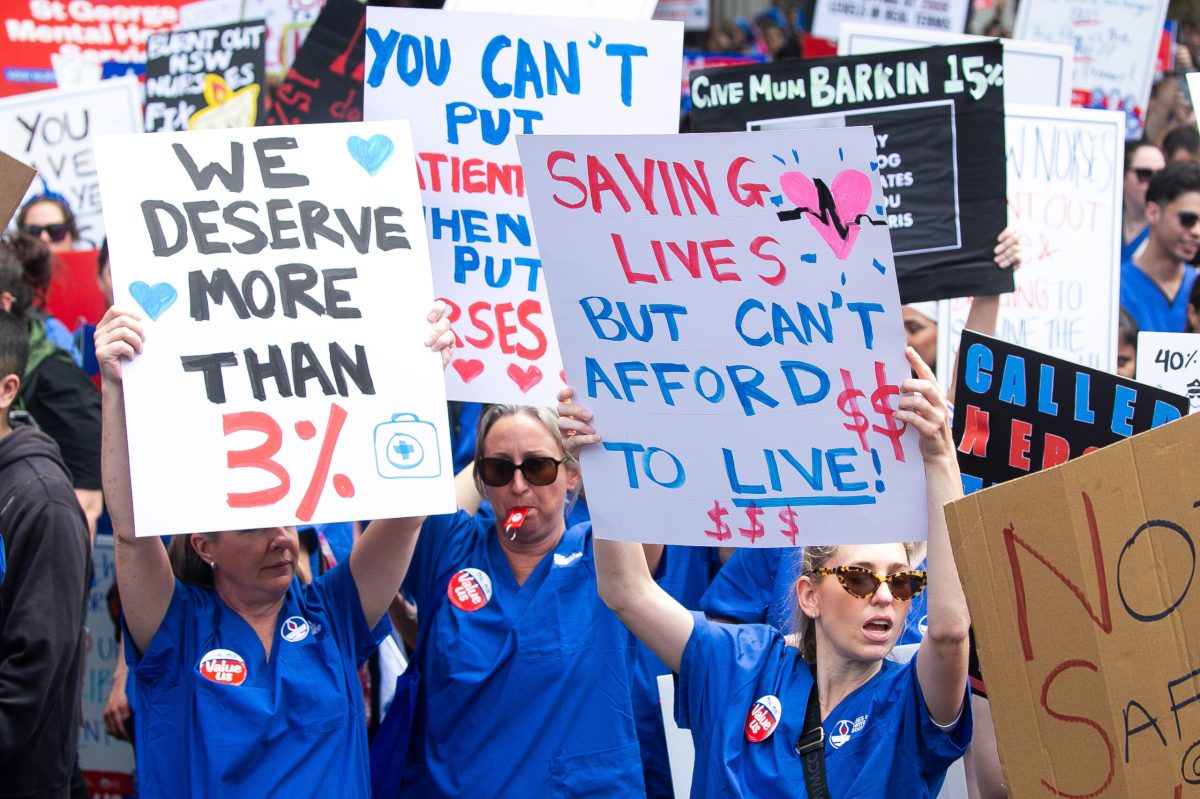
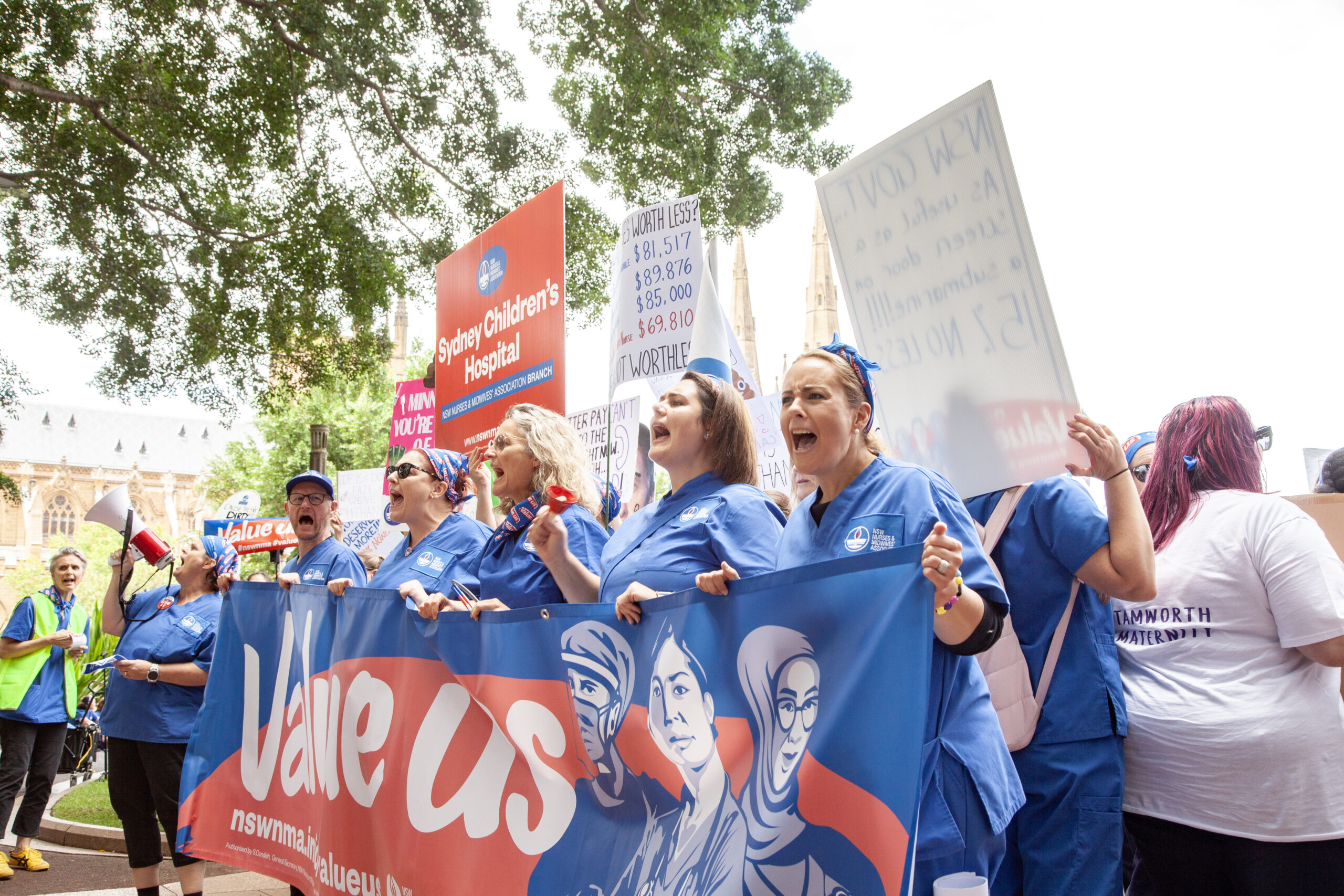
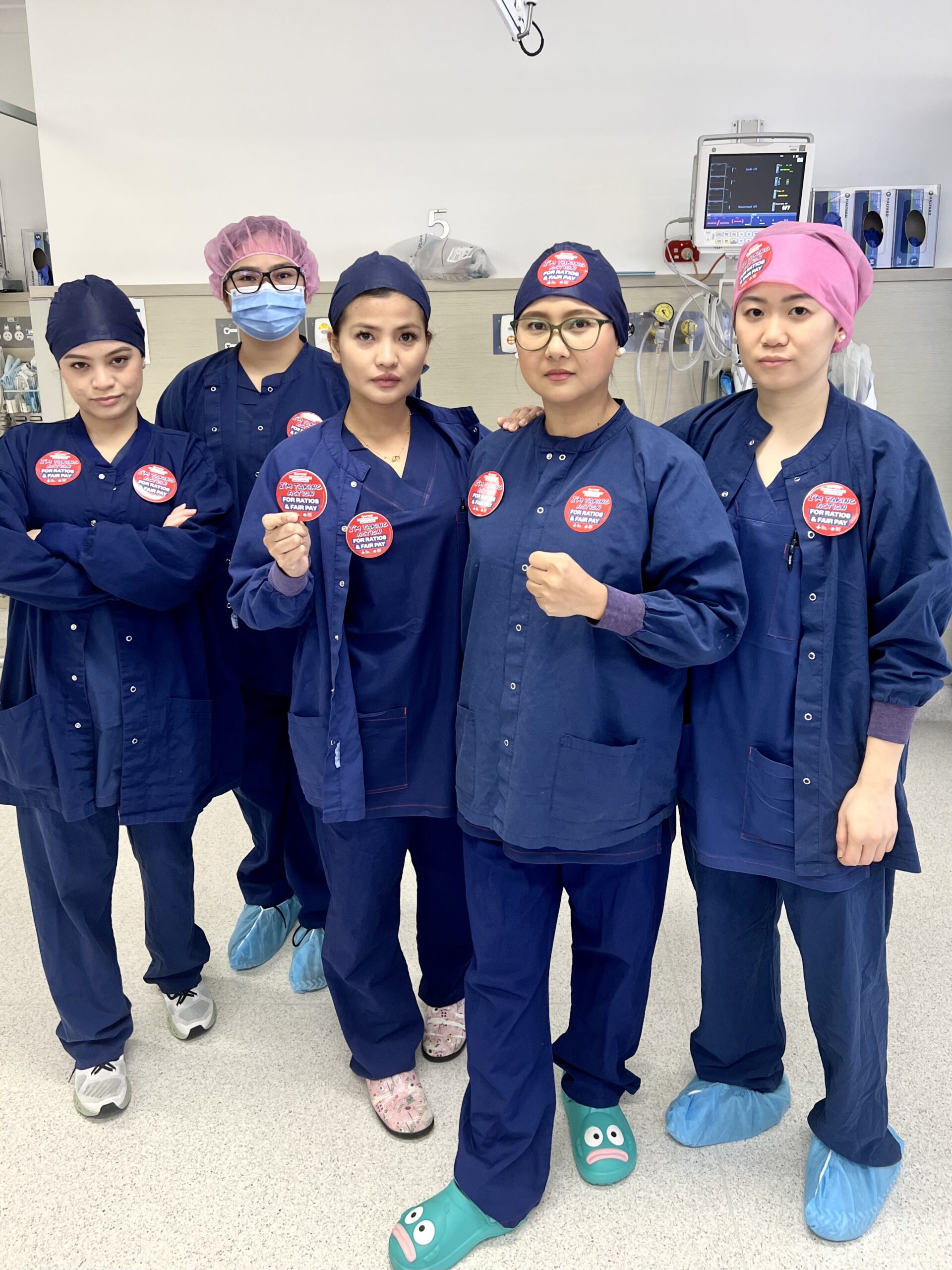
March saw ongoing tensions in New South Wales regarding nurse wages.
NSW Health Minister Ryan Park ruled out using federal funding to increase nurse pay, citing the "one-off" nature of the money. This decision came after NSWNMA members rallied for better pay, with Mr Park acknowledging, "I think having a wage cap in place [in NSW] for 12 years has seen big gaps set out."
The struggle for fair remuneration remained a critical issue, impacting recruitment and retention across the state's public health system.
April
April brought both a significant victory for private sector nurses and a major legal challenge in aged care.
After two years of negotiations and extensive industrial action, the NSWNMA struck a deal with Ramsay Health Care.
NSWNMA general secretary Shaye Candish celebrated the outcome.
"Nurses and midwives were able to shift the original pay offer of 8.5 per cent over three years to 16 per cent over three years."
The enterprise agreement also included improved work conditions, such as reduced patient loads for in-charge nurses and increased parental leave.
Concurrently, Echo Law launched a class action against Bupa Aged Care facilities, alleging systemic understaffing from July 1, 2019.
"Bupa’s own reporting confirms wide‑spread understaffing and failures to meet the minimum acceptable level of care required under Australian law at each of its aged care facilities. These are systemic failures at the corporate level and at the expense of residents," Echo Law's Dr Lauren Meath said.
May
May saw further instability in the private hospital sector as Australia’s second-largest operator, Healthscope, entered voluntary administration.
This placed the future of 37 hospitals and thousands of jobs, including over 6000 nurses and midwives, in doubt. While the federal government refused a bailout, expecting an orderly sale process, ANMF federal secretary Annie Butler expressed "extreme concern,"
"For nurses and midwives working at Healthscope, this situation is obviously very difficult and worrying for them and our thoughts are with them," she said.
June
In June, the integrity of the higher education sector was called into question when the Australian Skills Quality Authority (ASQA) revoked over 4200 care credentials from SPES Education Pty Ltd.
The deregistration, due to allegations of fraudulent qualifications, impacted Certificate III in Individual Support, Certificate IV in Ageing Support, and Certificate IV in Disability Support, raising concerns about potential safety risks to vulnerable community members.
In the same month, cosmetic nurses rallied outside parliament in Brisbane, protesting a state government crackdown on injectables. New interpretations of the Medicines and Poisons Act led to tightened regulations, impacting nurse-led clinics.
Lisa Oakman, cosmetic nurse and founder of The Glow Co. Aesthetics, voiced her concerns.
"These regulations are gutting nurse-led clinics, many of which are run by primary earners, parents, and sole providers," she said.

August
Winter marked a period of significant leadership changes across key nursing peak bodies.
Dr Stephen Duns was announced as the new CEO of the Australian Primary Health Care Nurses Association (APNA), commencing on September 29, while Denise Lyons took over as APNA President on June 22.
The Australian College of Nursing (ACN) welcomed Group Captain Kath Stein as its new President on July 23, and Frances Rice was appointed Chief Nursing Officer since June. Astrid Tiefholz was announced as the Federal Vice President at the Australian Nursing and Midwifery Federation (ANMF).
September
This was a pivotal month for both wages and professional scope, as Queensland’s 57,000 nurses and midwives secured their largest pay increase in 13 years, with an 11 per cent rise over three years, including a one-off three per cent Government Election Commitment payment.
"This is a deal that better respects nurses and midwives and will support Queensland Health services in recruiting and retaining our workforce," QNMU secretary Sarah Beaman said.
In New South Wales, public sector nurses and midwives accepted an interim pay and conditions offer, including a three per cent pay increase and an increased night duty penalty rate.
"Nurses and midwives are struggling to pay their bills in this cost-of-living crisis so any financial relief is welcomed," NSWNMA general secretary Shaye Candish said.
However, this was merely an interim step, as the NSWNMA announced it would commenced a landmark case at the NSW Industrial Relations Commission (IRC), seeking a substantial 35 per cent pay increase over three years. The union's argument, presented before a Full Bench of the IRC, centred on the gendered undervaluation of nursing and midwifery work.
Also in September, a significant expansion of nursing scope of practice came into effect.
Endorsed Registered Nurses (RNs) who completed additional training became eligible to prescribe some medications in partnership with a doctor or nurse practitioner.
"This change means that, for example, a registered nurse prescriber may be able to support a person adjust their diabetes medication … This increases access to care, and boosts healthcare efficiency," ACN chief nursing officer Frances Rice said.
Picture: NCA NewsWire/Martin Ollman.
October
October brought good news for nurses at Northern Beaches Hospital, as the NSW government reached an in-principle agreement to return the facility to public ownership for $190 million.
NSWNMA's Shaye Candish welcomed the news as a "relief" for staff, providing "much-needed certainty for our hardworking and dedicated nurses and midwives."
November
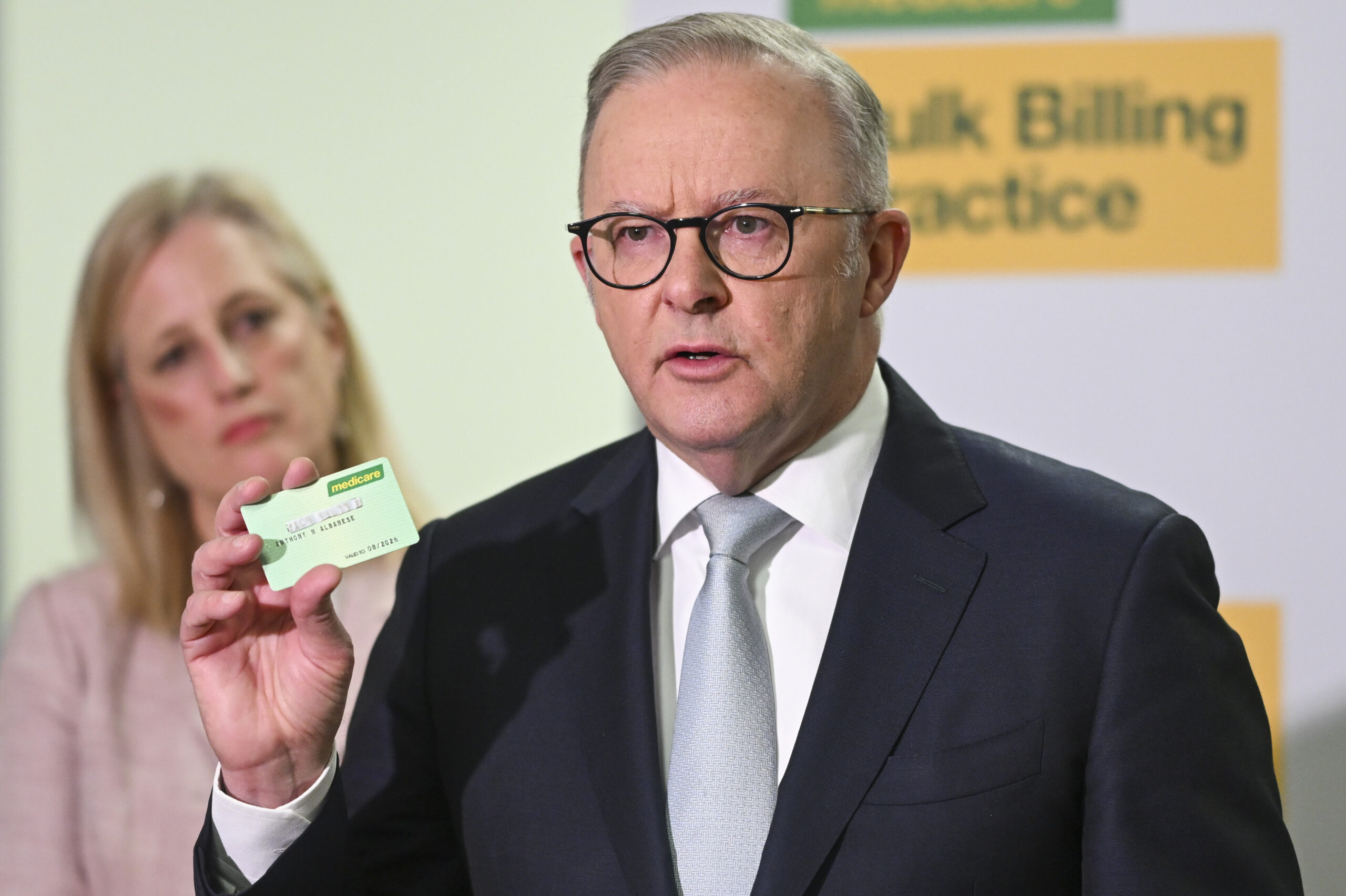
In November, the federal government expanded bulk-billing incentives, making it easier for millions more Australians to access free GP appointments from November 1.
ANMF federal secretary Annie Butler welcomed the investment, noting it would "reduce out of pocket fees for more patients" and "take pressure off the public hospital system."
APNA President Denise Lyons emphasised the potential for nurses to do more, advocating for "removing barriers to nurse-led clinics, enabling Nurse Practitioners to access the bulk billing incentive."
However, November also highlighted the ongoing crisis in aged care, with a frustrated Queensland nurse issuing a plea to federal ministers, warning of severe delays in aged care placements.
This was followed by a meeting of health ministers across Australia, calling for a solution to the ongoing problem of 'bed block' in public hospitals.