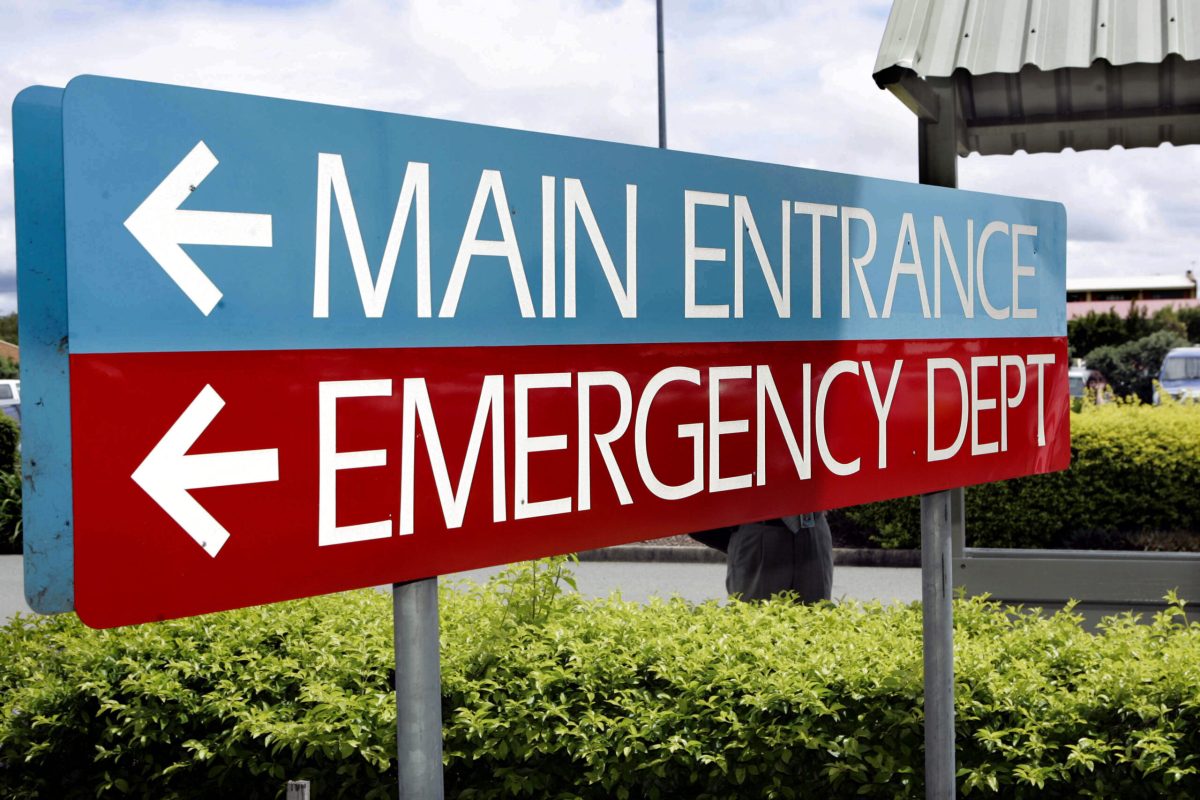
Today, the Albanese government’s delivery of its federal budget coincides with International Nurses Day (IND), making calls from the nation’s peak nursing bodies for meaningful investment in the workforce that underpins Australia’s health and aged care systems more timely than ever.
This year’s International Nurses Day theme – Our Nurses. Our Future. Empowered Nurses Save Lives – has sharpened the focus on chronic workforce shortages, rising demand and the structural barriers preventing nurses from working to their full scope of practice.
The Australian Nursing and Midwifery Federation (ANMF) says the day is an important moment to recognise the extraordinary skill and dedication of nurses, but warns recognition must be matched with sustained investment.
“IND is the most important day for us to stop and recognise the work nurses do each and every day, but what nurses really need is sustained investment and recognition for their work,” ANMF federal secretary Annie Butler said.
“This year’s IND theme is clear – empowered nurses save lives. But empowerment doesn’t happen by chance. It requires investment, respect and action.”
The ANMF says nurses across hospitals, aged care, community health and remote services are working under intense pressure, with chronic staff shortages and rising demand contributing to burnout and attrition.
“This is a workforce that continues to put patients first, often at a personal cost,” Ms Butler said.
“But without the right support, we risk health and aged care systems that cannot keep up with community needs.”
The Australian College of Nursing (ACN) echoed the call, warning that Australia is “flying blind” without a national strategy to guide the nursing workforce.
Acting chief Dr Zachary Byfield said the country is producing nursing graduates who cannot find jobs, while early‑career nurses are leaving due to lack of support.
“At a time when productivity in health care has never been more important, we cannot continue to keep flying blind with our nursing workforce without nationally coordinated planning,” Dr Byfield said.
“We are wasting resources and robbing consumers of the best care when, where, and how they need it.”
The ACN says the country is heading toward a nursing shortfall of more than 70,000 by 2035 unless governments invest in transition programs, retention strategies and expanded advanced practice roles. It is calling for the immediate release and implementation of the National Nursing Workforce Strategy.
Both organisations say tonight’s federal budget is an opportunity to back nurses with real, sustained investment – from staffing levels and cost‑of‑living relief to scope‑of‑practice reforms and targeted funding for aged care, primary care and chronic disease management.
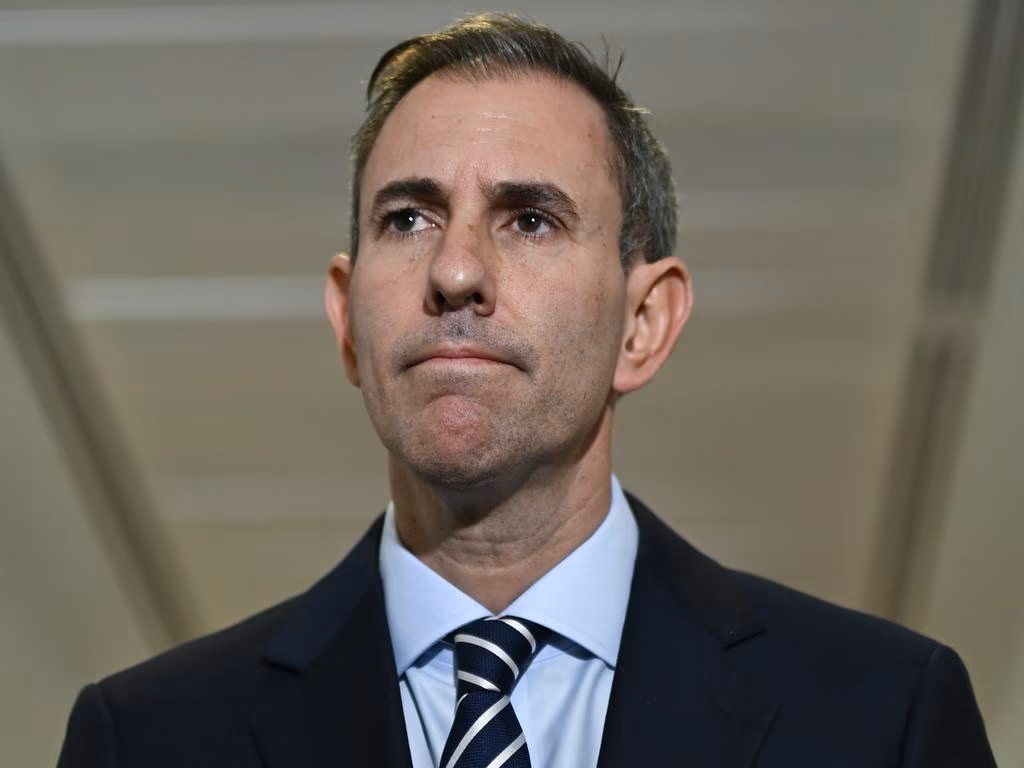
Treasurer Jim Chalmers has warned that the Australian economy is “hostage to economic turmoil,” pointing to global energy shocks, rising inflation and a national debt approaching a trillion dollars, but promised the budget will deliver $64 billion in “reprioritisations” and savings.
“This is all about making our budget more sustainable over time,” he said.
What we know about the federal budget so far
Urgent care clinics
The government has pledged an extra $1.8bn over five years from 2025-26 and $525.6m a year ongoing from 2030-31 to fund Medicare Urgent Care Clinics (UCC).
The clinics are a flagship health policy of the government and offer walk-in and bulk-billed urgent care.
Hailed by Prime Minister Albanese as “good for wallets, good for health, and taking pressure off local emergency departments”, critics argue the clinics are a far more costly way of delivering healthcare, with government findings revealing they are five times more expensive than standard GP consultations.
The Australian College of Nursing has welcomed the budget funding boost but warns that urgent reform is needed to allow health workers to work to their full scope of practice.
The ACN is calling on the Labor government to “revise the UCC Operational Guidance to explicitly permit NP-led service delivery when a medical practitioner is not on-site, and to update Medicare Benefits Schedule provisions accordingly.”
“Genuine quality of care is achieved through robust clinical governance, not by restricting which qualified professionals can lead care,” ACN chief Professor Kathryn Zeitz said.
“The Operational Guidance does not reflect the Government’s own Nurse Practitioner Workforce Plan, which calls for efforts to unleash nurse practitioner leadership – especially amid GP shortages, and when nurses already lead ACT urgent care centres and remote Urgent Care Clinics.”
Aged care
The government is investing $3 billion to expand aged care capacity, including 5000 new residential beds each year and increased support for providers caring for disadvantaged residents. It also includes over $200 million for dementia services, adding specialist care units and easing pressure on mainstream facilities.
To fund this, the government will reduce higher private health insurance rebates for people over 65, redirecting the savings into aged care.
Essential personal care services will also be moved to the Support at Home program’s clinical care category as part of the federal budget, meaning current co-payments for showering, dressing and continence care will be scrapped from October 1.
“While we’ve seen some significant reforms in aged care since the Royal Commission, our members continue to tell us that the system is still not fixed,” Australian Nursing and Midwifery Federation (ANMF) federal secretary Annie Butler said.
“The Budget funding package is an important acknowledgment from the government that aged care is struggling under ever-increasing demand for services – and we welcome its commitment to structural improvements to the system, especially the changes to funding for in-home personal care services.”

NDIS
Some $15bn will be cut from the National Disability Insurance Scheme (NDIS) over the next four years under sweeping reforms announced by NDIS and Health Minister Mark Butler.
The changes will target “scheme inflation” and crack down on eligibility requirements.
Mr Butler said the reforms would reduce the scheme’s cost to $55bn over forward estimates instead of more than $70bn in 2030, as current projections show.
The changes will also result in about 160,000 people being removed from the scheme by the end of the decade.
Mr Butler insisted the changes were not a budgetary decision but designed to tackle the ballooning cost of the program, which had become an easy target for rorters and organised crime.
“I want to be really clear, this is exactly the package I would have taken to the Expenditure Review Committee, no matter what the budget context, because this is the right package for the NDIS, and it’s the right package for participants,” he said.
Housing
An extra $2bn has been earmarked in the federal budget for critical infrastructure – such as roads, water, power and sewerage – as part of the government’s efforts to propel housing construction.
The Local Infrastructure Fund will offer support for up to 65,000 homes to be built over the next decade.
Funding will go to local governments and state utility providers, with $500m reserved for regional Australia.
Mr Chalmers described Labor’s housing plan as “pro-aspiration” and “pro-investment”.
Housing Minister Clare O’Neil described the funds as intending to “literally lay the foundations for our country to build more homes”.
A further $500m will also be spent on speeding up approvals for housing, energy, and critical minerals projects.
That includes $105.9m over four years to provide better access to information, including through the use of artificial intelligence.

One-time cash boost
The Australian reported last week that Mr Chalmers was preparing to unveil a one-off stimulus – dubbed an “earned income offset”– of between $200 and $300 for every Australian who gets a wage or salary and pays tax.
It comes after RBA governor Michelle Bullock warned of the impacts of federally subsidised cost-of-living relief on inflation.
“The extent to which government makes up the shortfalls for households by giving them more money, it makes it harder to dampen demand,” she said.
“When governments are spending a lot of money and we’re running up against capacity constraints, then they do need to think about whether or not there’s ways they can help the inflation problem by looking for ways to constrain demand.”
Neither Mr Chalmers nor Mr Albanese have confirmed reports of the offset.
Fuel excise and supply
NewsWire understands the government is considering extending the fuel excise cut amid pressure from the tourism sector. It halved the tax for three months in March, shaving off 26.3 cent per litre of fuel until June 30.
Paired with a reduction in the heavy vehicle road user charge, the measures were estimated at $2.55bn.
The Prime Minister announced $10bn would go towards bolstering Australia’s fuel security and resilience.
He said $7.5bn would go towards providing financial support for the supply of fuel and fertiliser, including loans, equity, guarantees, and insurance, while $3.2bn would fund an onshore fuel security reserve.
The reserve would hold about one billion litres.
The minimum stockholding obligation (MSO) will also be raised to increase Australia’s critical fuel reserves to 50 days. Changes to the MSO were first proposed by the Coalition last month when Opposition Leader Angus Taylor sought to more than double it to 60 days.
About $10m will be poured into feasibility studies examining “new expanded refinery capabilities”. These would be co-funded with state and territory jurisdictions, with at least one proposal already set to receive joint funding.