The Albanese government has unveiled a $1.7bn funding boost for state-run hospitals amid “pressures” hampering the country’s health system.
The funding will be delivered through a new agreement struck between the federal and state and territory governments.
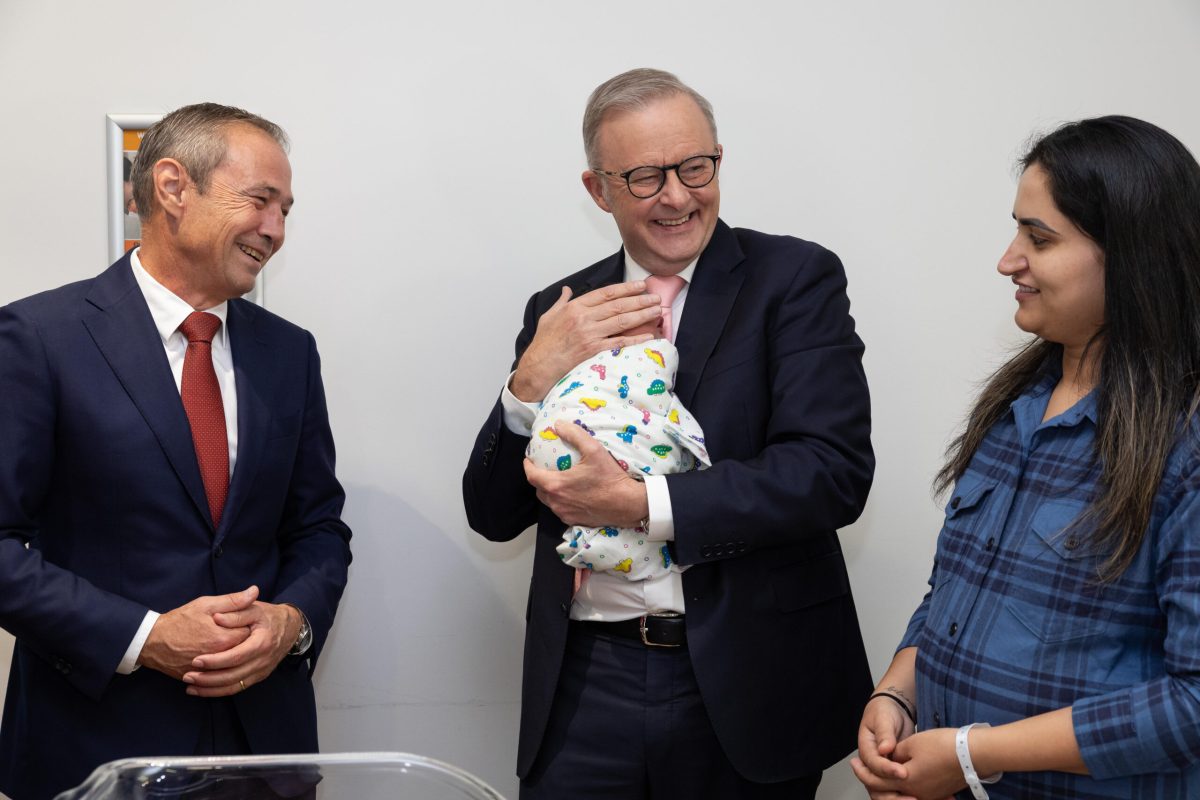
During yesterday's press conference at Parliament House, the Prime Minister said the Labor government's priority is strengthening Medicare.
“Australians rely upon Medicare as the centre of our healthcare, and today, I can announce that we’re delivering an additional $1.7bn to properly fund public hospitals and health services next year,”
“This funding will be delivered to states and territories to help cut waiting lists, to reduce waiting times in emergency rooms … [T]his matters to people, and this decision today will help save lives and lead to better outcomes for our nation’s hospitals.”
Under the agreement, federal funding for hospitals will jump by 12 per cent, bringing it to a record $33.91bn in 2025-26.
The Northern Territory will see the biggest percentage increase in public health funding out of all states and territories, with a 30 per cent jump - almost double that of the ACT, which came in second at 16 per cent.

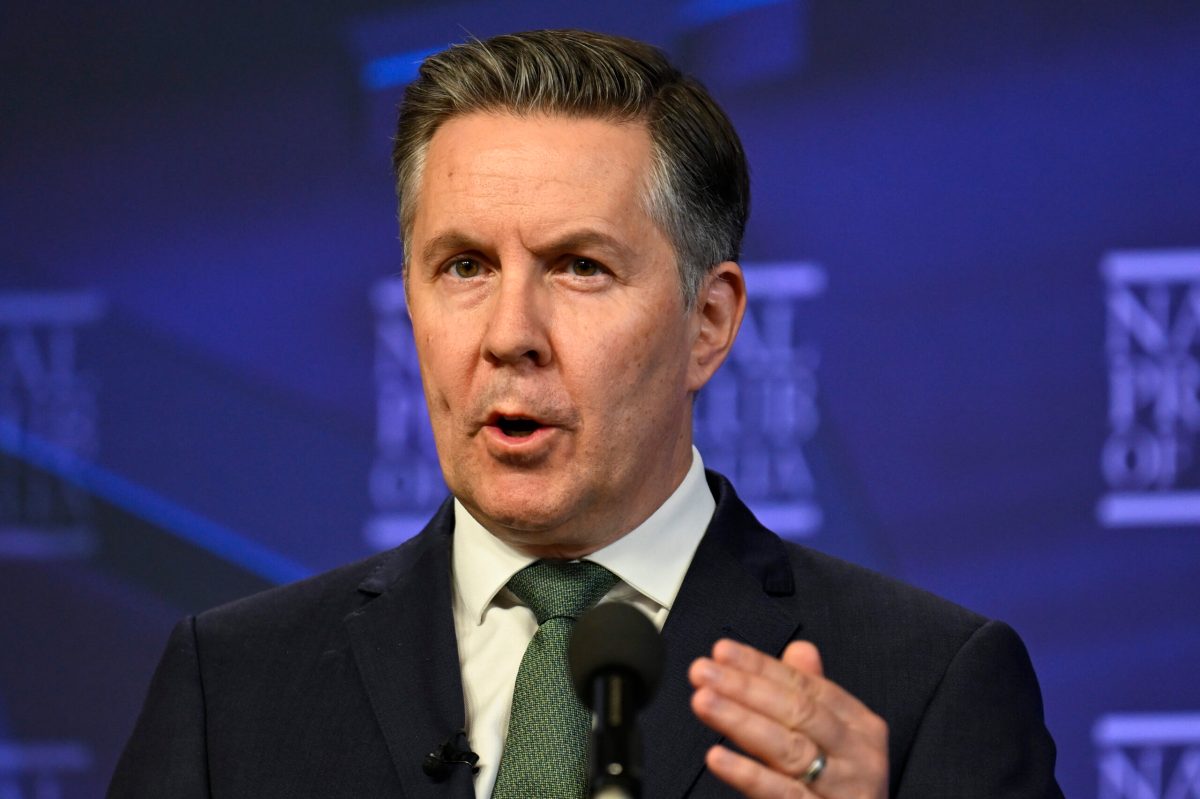
Health Minister Mark Butler said it was a “landmark deal between the states, the territories and the Commonwealth.”
“The states operate the public hospitals, but the Commonwealth must always be a reliable partner to ensure that that core Medicare principle is always able to be enjoyed by every single Australian," he continued.
“We have a terrific public hospital system in Australia staffed by some of the best-trained doctors, nurses and health professionals anywhere on the planet, but it is a hospital system under very, very serious pressure.”
The Health Services Union (HSU) has welcomed the announcement, calling it an “important first step in securing a new long-term funding model.”
“While this is an important announcement, we’ll take a close look at the details to ensure it delivers for health workers," HSU national president Gerard Hayes said.
“A new five-year funding arrangement must be a top priority for the Prime Minister and his state and territory counterparts later this year.
“With an ageing population and the fallout from Covid still fresh, we need governments to step up if we want to maintain our world-class health system.
“That means significant investment in areas like allied health professionals and preventative care roles that have for too long been underfunded.
“State governments must commit to funding foundational supports that sit outside the National Disability Insurance Scheme to ensure it is sustainable and successful.”
Calls for increased wages
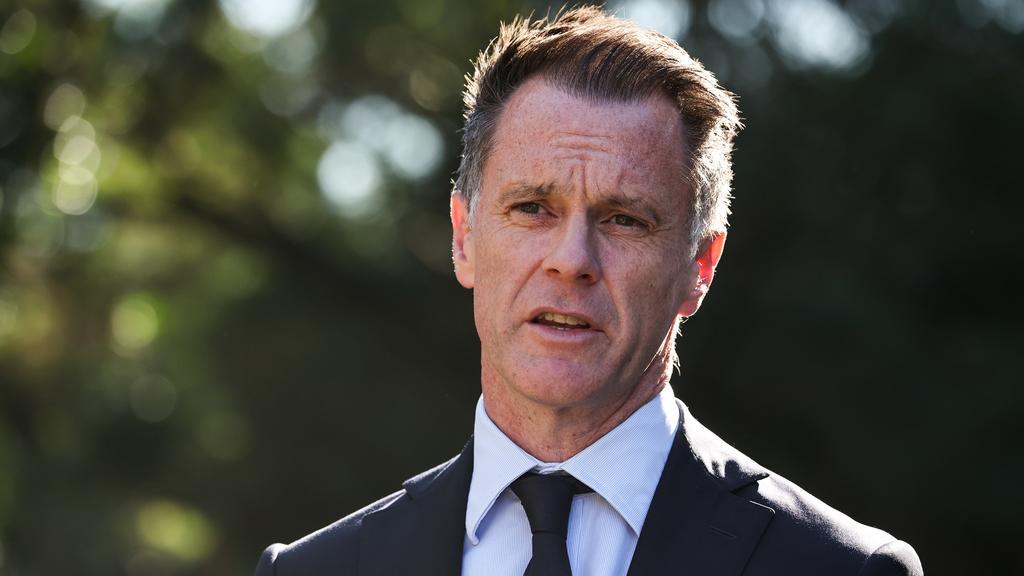
In NSW, nurses are calling for the extra funding to be used to deliver on their wage increase demands.
The NSW Nurses and Midwives' Association (NSWNMA) have been in negotiations with the state health department since June of last year, asking for a 15 per cent pay rise and improved conditions.
“The Minns Labor government has repeatedly acknowledged that the nursing and midwifery workforce needs a pay rise but has said they just can’t afford to meet the amount needed to fix the current wage disparity. With this additional funding, the Minns government can come back to negotiations and direct this money towards wages for nurses and midwives,” said NSWNMA acting general secretary Michael Whaites.
“We can’t deliver the healthcare system the people of NSW deserve without a strong and robust nursing and midwifery workforce. Without competitive rates of pay for our nurses and midwives here in NSW, we will continue to see them leave for better pay and conditions across the border, leaving wards and units short staffed and services closing.
“We call on the Minns Labor government to follow the lead of its federal Labor counterparts and put the additional health funding into retaining its essential health workforce which is on its knees.

$573m for women's health
The Albanese government has also pledged to add hormone replacement therapies and new oral contraceptives to the list of federally subsidised medicines for the first time in three decades.
The promise is part of a suite of women’s health policies worth $573m announced on Sunday, which also includes boosts to Medicare rebates for women getting long-term contraceptives, such as IUDs and those seeking menopause health assessments.
Minister for Aged Care Anika Wells said that women’s health “has been long neglected”.
“The ability to go to a chemist and get an oral contraceptive or UTI treatment is something that people desperately need when we know young women increasingly don’t even have a regular GP,” she told Sky News.
“So that’s a really important cost-of-living initiative, let alone the fact that there hasn’t been an oral contraceptive added to the PBS in more than 30 years.”
In a press conference on Sunday Mark Butler said “you simply can’t be serious about strengthening Medicare without a serious focus on women’s health.”
“Women consume about 60 per cent of all health services in this country and they face a range of significant costs simply by virtue of being women, particularly around contraception and during perimenopause and menopause,” he said.
“Through a range of pieces of work, particularly Senate inquiries that Senator Marielle Smith has led and Ged Kearney’s work through the Advisory Council, it’s been very clear to us that women simply haven’t been getting the level of support they deserve through our healthcare system for too long.
“Today’s landmark package reverses decades of neglect and finally delivers Australia’s women more choice, better care and lower costs.”
Labor’s proposal would provide more Medicare funding support for people experiencing menopause by facilitating rebates for health assessments, training of health professionals and delivering the first-ever clinical guidelines and a national awareness campaign.
The plan would also see around 150,000 women save on menopausal hormone therapies, with Prometrium®, Estrogel® and Estrogel® Pr being added to the Pharmaceutical Benefits Scheme (PBS), along with oral contraceptives Yaz and Yasmin.
The Albanese government would also add 11 new endometriosis and pelvic pain clinics across the country, raising the number of clinics from 22 to 33.
The clinics would also include support for menopause.
Opposition frontbencher Michaelia Cash said the Coalition would support the Albanese government’s proposal and pledged to “match the announcement” if it won government.