The federal government announced its Covid-19 inquiry this month. The enquire aims to analyse Australia's response to the pandemic and make recommendations to improve readiness for possible future pandemics.
The final report is due September 2024, and will include a review of health responses, such as the handling of vaccinations, stress on the medical system, and the execution of quarantine facilities.
The Australian Nurses and Midwives Federation (ANMF) federal secretary Annie Butler said the Federation wants to ensure healthcare workers' voices are heard during the inquiry.
“[They need to listen to] the voices of nurses, midwives, care-workers on the frontline in health and aged care about what’s needed to ensure the safety of our communities," Ms Butler said.
Ms Butler said the government shouldn't wait for another pandemic to start funding and building the nursing workforce, and should instead act now.
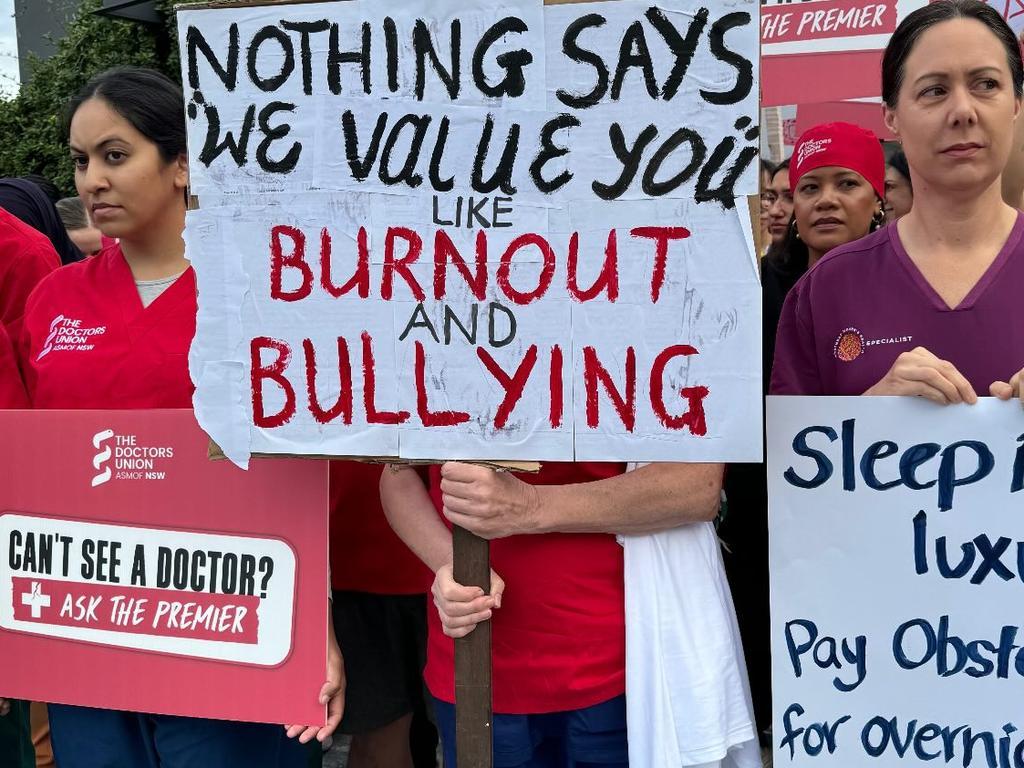
The inquiry has been widely criticised for not including analysis of how each state and territory took action, which the ANMF said harms the health and aged care workforces.
"[The government should guarantee] coordinated responses between the Commonwealth and the states and territories, particularly around health communications," Ms Butler said.
The members of the panel include epidemiologist Professor Catherine Bennett, health economist Dr Angela Jackson and former director general of NSW Health Robyn Kruk. Its' report will provide recommendations to the national cabinet, Commonwealth and premiers.
Covid-19 quarantine expert Angela Sheedy from Charles Darwin University said she hopes the inquiry will recommend how to better support Australia's frontline workers and health staff next time around.
"The terms of reference have not specifically mentioned Australia’s health workforce and how the pandemic impacted this," Ms Sheedy said.
"I would hope this is to be included, as this workforce formed the core response with states and territories reliant on their resilience and contribution.
"As the experts tell us, it is a matter of 'when' not 'if', regarding another pandemic. I look forward to seeing how the inquiry progresses and welcome any investment our government commits to ensure we are better prepared for next time."
The Australian Bureau of Statistics (ABS) released data last Wednesday shows the disease is still a major health risk, as it was the third leading cause of death in 2022, accounting for one in 20 deaths.
This is the first time since 1970 an infectious disease has been in the top five leading causes of death; when influenza and pneumonia were ranked fifth.