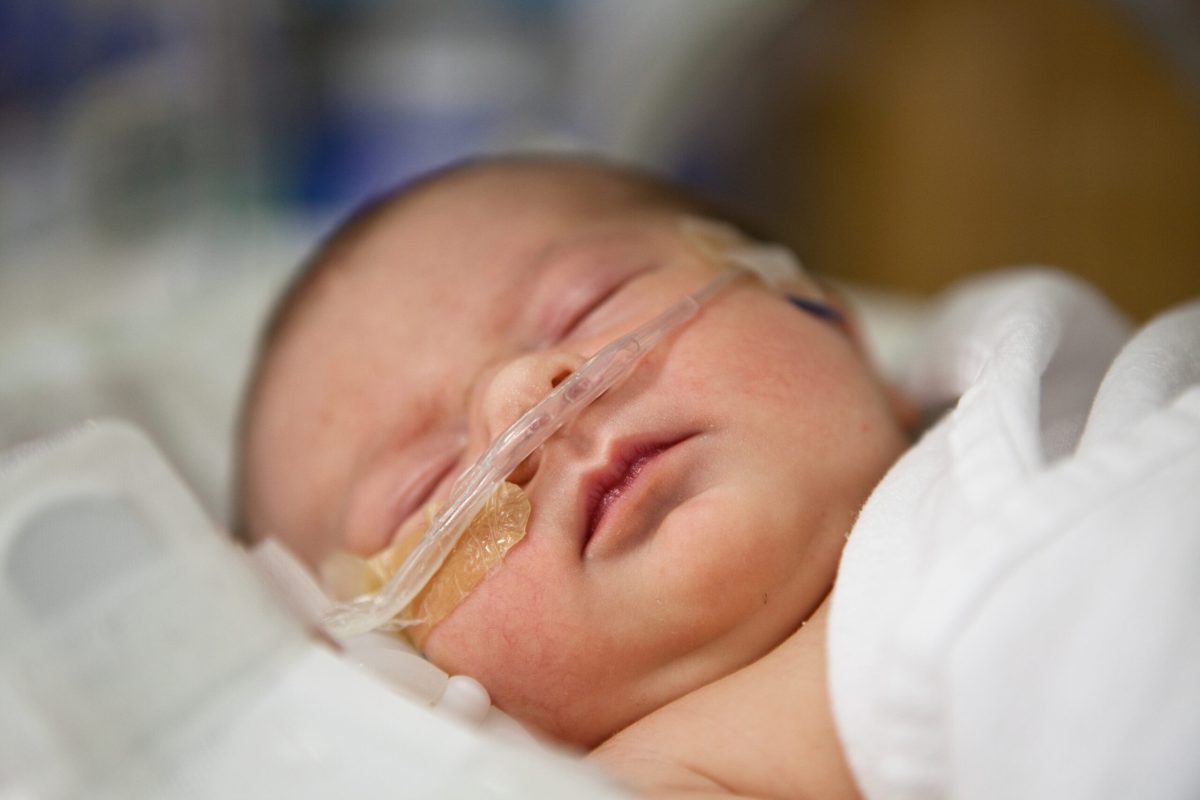
In 2021, over 300,000 babies were born in Australia, with 17 per cent requiring admission to a special care nursery (SCN) or neonatal intensive care unit (NICU).
Despite only making up two per cent of the nursing workforce, the number of NICU nurses has grown since 2016, with an increase of 55 per cent.
To honour the babies born prematurely or sick, Life’s Little Treasures Foundation (LLTF) hosts an annual walk to fundraise for families needing support – Walk for Prems.
Since it started 14 years ago, Walk for Prems has raised $3.8m without government support.
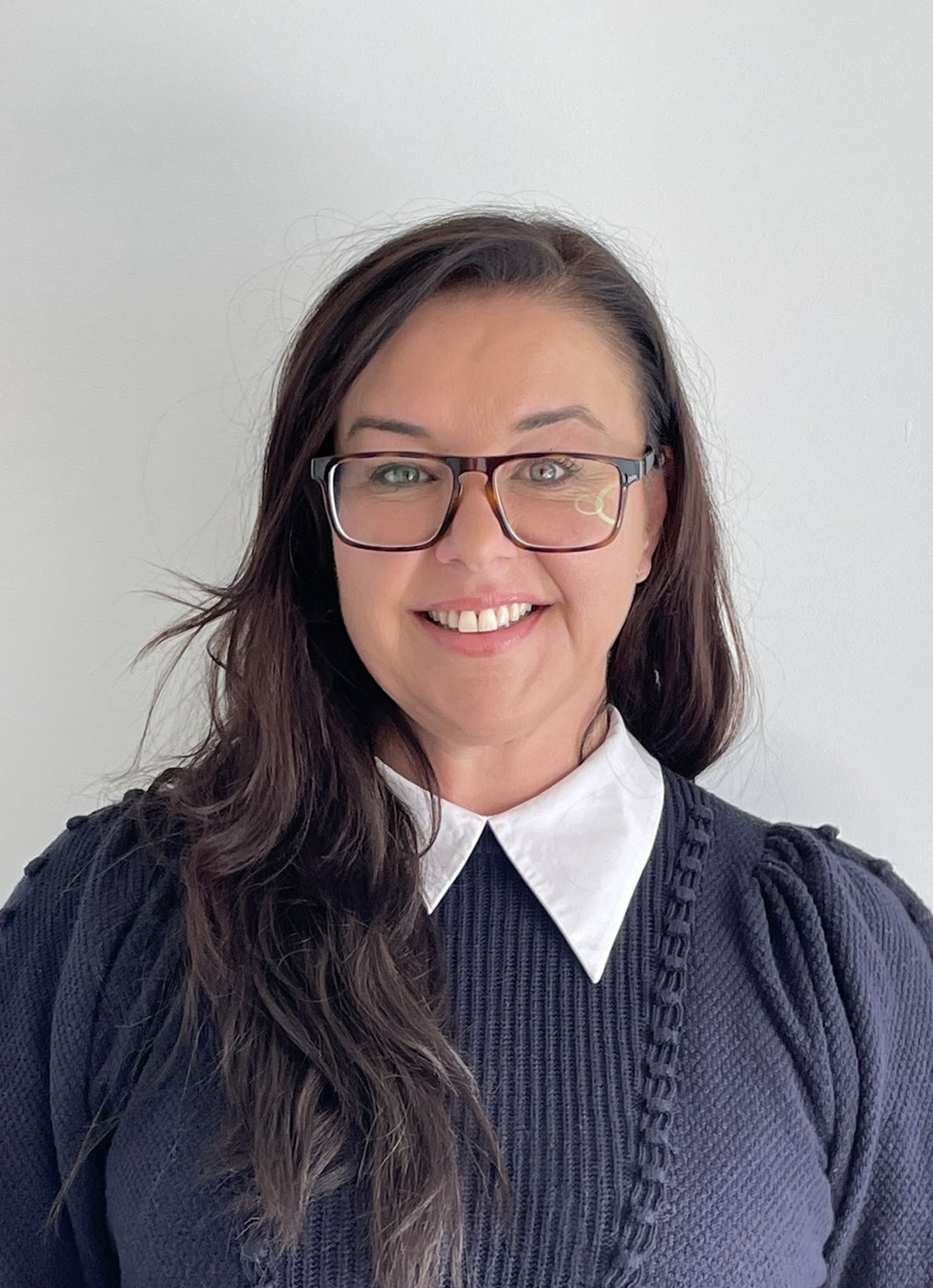
NICU nurse and chair of LLTF Seona Emanuelli, said the walk was important, especially with the current cost-of-living crisis.
“The funds raised will go towards providing families with practical support through items such as fuel, accommodation and food vouchers, breakfast boxes during their hospital stay and emotional support, by ensuring we can host in-hospital morning teas and our online NICU Connections parent support groups,” she said.
Aged Care Insite spoke with Ms Emanuelli about work as a NICU nurse and the annual Walk for Prems.
ACI: What is it like being a NICU nurse?
SE: Most days are challenging but completely rewarding.
I have been in neonatal care since 1998 in various positions from management, research, education and clinical bedside, and it’s satisfying.
You don’t just care for the neonate and their medical needs but care for the whole family throughout their journey.
Most families don’t expect to be in the NICU/SCN during pregnancy, so developing relationships as a nurse is a vital part of the role as they navigate this quite confronting environment.
Can you tells us how and why you became a NICU nurse?
I fell into NICU accidentally.
I had only some paediatric experience while working in Sydney and decided to move and work in the UK.
As a sick children’s nurse, I thought I would be placed in a medical or surgery paediatric ward. When I arrived, the hospital had placed me in surgical NICU.
I really had no idea; it was a bit of a sink-or-swim experience.
I had two great mentors in the NICU, one a nurse who really took me under his wing in teaching, and another [who was ] a surgical neonatologist who I would go into theatre with, and he would teach me different complex operations and neonatal anatomy.
I moved back to Sydney and into NICU from the UK and haven’t looked back.
What’s the most challenging and rewarding part of the job?
Babies who are critically unwell or extremely premature have days of endless interventions and tests. Adjustments to care can be made hourly for stabilisation.
This can be very challenging, but when you work with a great team, you can lean on each other for support, decision making and assistance.
The culture in a NICU is extremely important for effective care from the health professionals and the baby and their families.
I think the greatest reward is the value you can bring to the family during their journey through the nurseries and seeing babies go home.
There are so many experiences that I will never forget!
Families have sent me photos of their baby’s first day at school and kindergarten. Mothers’ letters of those babies that didn’t make it home, appreciating how special the care was in those final moments.
I am in touch from time to time with families from years ago, which is so special.
You are the chair of LLTF. What has that been like for you?
I have been on the board for nearly three years and chair for the last 12 months.
I have seen firsthand the positive impact the Foundation's work has on families in the NICU/SCN.
It is great to be part of a dedicated and passionate team that solely supports families of sick and premature babies.
What are the goals for LLTF?
LLTF has several initiatives to assist families and health professionals.
We have dedicated teams in each state that provide directly into the hospitals' practical support, information, and assistance. This can be resources, food and travel vouchers, emotional support groups, precious prem packs, and health information.
LLTF’s vision is to ensure that all families enduring the difficult and life-changing experience of having a premature/sick baby have easy access to critical information and community support.
LLTF will be in its 14th year of the annual Walk for Prems this October. What has it achieved in its 14 years?
Walk for Prems is our largest annual fundraising event dedicated throughout Australia. This year, it will be at nine locations.
It not only raises much-needed funds so the foundation can continue assisting families – especially in this cost-of-living crisis – but also raises awareness for the 48,000 babies that are born sick or premature every year in Australia.
The event continues to grow each year, with more and more families and businesses becoming involved.
The future of the event is that it will continue to grow.
One in 10 babies is born premature, which is not decreasing. We will see more and more families requiring the services the foundation provides.
Is there any advice you would give aspiring nurses interested in pursuing a career in NICU?
Entering the area of neonatal care is rewarding and challenging.
It has growth opportunities for those who want to branch into the areas of education, research, discharge coordination, and special interest groups.
Like all areas of the nursing profession, dedication to a healthy work-life balance is a must.
I wouldn’t have it any other way to dedicate my career to care for our smallest patients and their families.