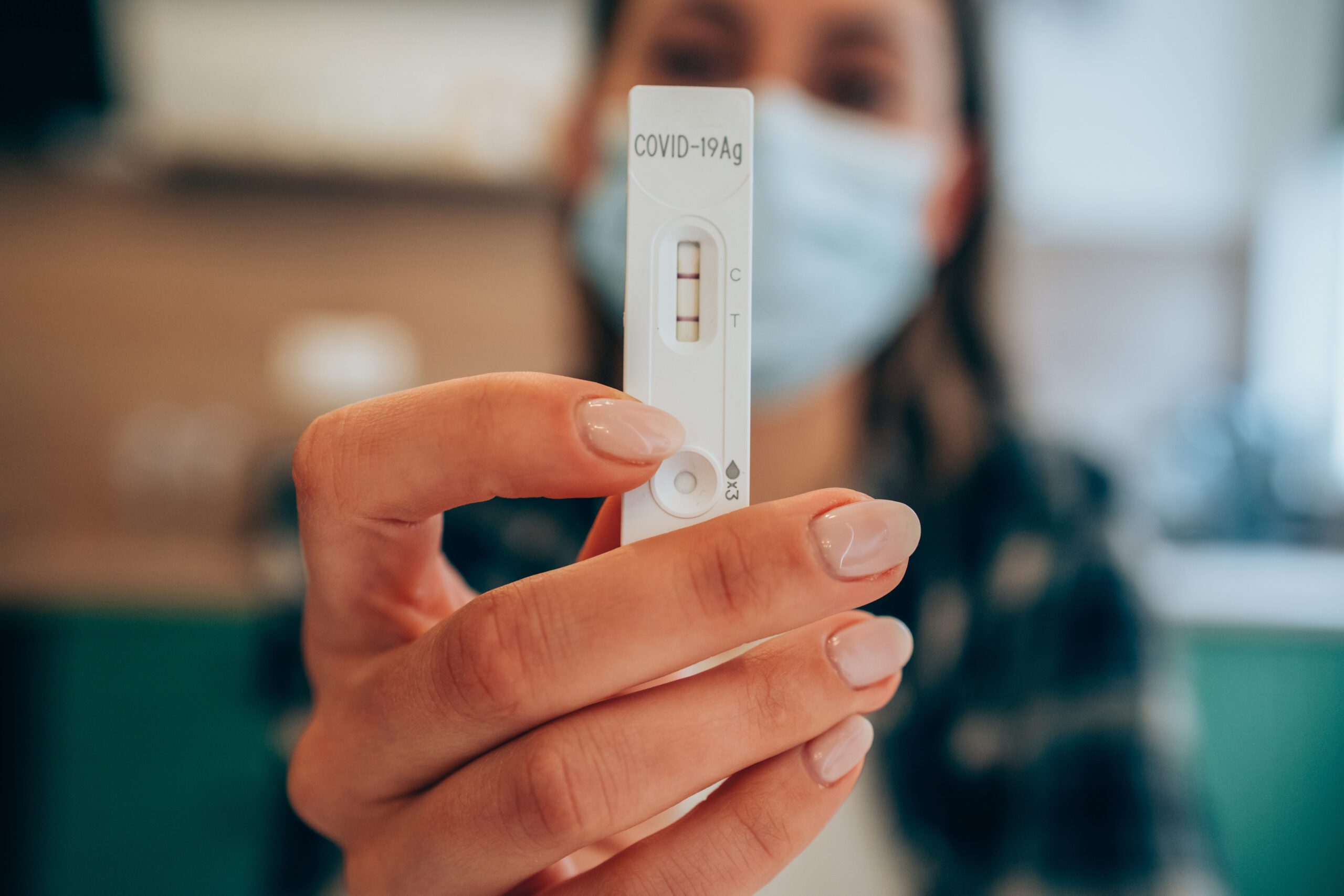
Queensland Health’s decision to revoke Covid‑19 pandemic leave for more than 50,000 public‑sector nurses and midwives has triggered strong backlash from the sector.
The change, which comes into effect on June 1, removes access to Special Pandemic Leave, an entitlement the Queensland Nurses and Midwives’ Union (QNMU) fought to retain after Queensland’s public health emergency was declared over on October 31 2022.
While most Queensland public‑sector employees lost access to pandemic leave at that time, nurses and midwives continued to receive up to 20 days of Special Pandemic Leave before needing to draw on their personal or sick leave.
The entitlement applied to permanent, temporary and long‑term casual employees, with short‑term casuals able to request access.
QNMU Secretary Sarah Beaman said the decision would force staff who contract Covid‑19 to isolate for at least five days without dedicated leave, pushing many to exhaust other leave entitlements.
“If the LNP state government fail to intervene, they will be condoning a targeted and gender‑based attack on more than 50,000 frontline public nurses and midwives,” Ms Beaman said.
“They will be saying it is okay to strip hard working public nurses and midwives of their annual leave, sick leave, carer’s leave – and their ability to care for their children or family should they become unwell.”
Ms Beaman said the overwhelming majority of public‑sector nurses and midwives are women, many working part‑time, and that the policy change would have “rolling repercussions for Queensland families”.
“It will also serve to anger, devalue, and disrespect nurses and midwives who are there for us when we need them most,” she said.
She also warned the decision could spill into the private sector, arguing that private hospitals and private aged care providers have historically followed Queensland Health’s lead on workforce and safety standards.
If pandemic leave is removed in the public system, she said, private providers may feel emboldened to do the same, with potential consequences for older Australians.
The QNMU maintains that Covid‑19 remains a significant occupational hazard for frontline staff. Ms Beaman pointed to evidence showing nurses and midwives are three times more likely to contract the virus than the general population.
Queensland Health staff must still isolate for at least five days or until they return a negative test or symptoms subside. Most receive 10 days of sick leave per year, with part‑time staff receiving theirs pro-rata.
“[Covid-19] has not disappeared, nor has the requirement for frontline staff to isolate to protect vulnerable patients and aged care residents, Ms Beaman said.
“There is no viable reason why supports put in place to enable nurses and midwives to isolate, should suddenly be removed.”
The union has linked the decision to broader concerns about women’s workplace rights and healthcare autonomy in Queensland, citing recent industrial relations proposals, decisions affecting reproductive healthcare access, and parliamentary motions targeting expanded prescribing rights for nurses and midwives.
“We will not be cast back into the dark ages,” Ms Beaman said.
“As the state’s largest union, and a union of predominantly women, we stand ready to defend the critical rights and entitlements of Queensland workers, women, patients and aged care residents.”