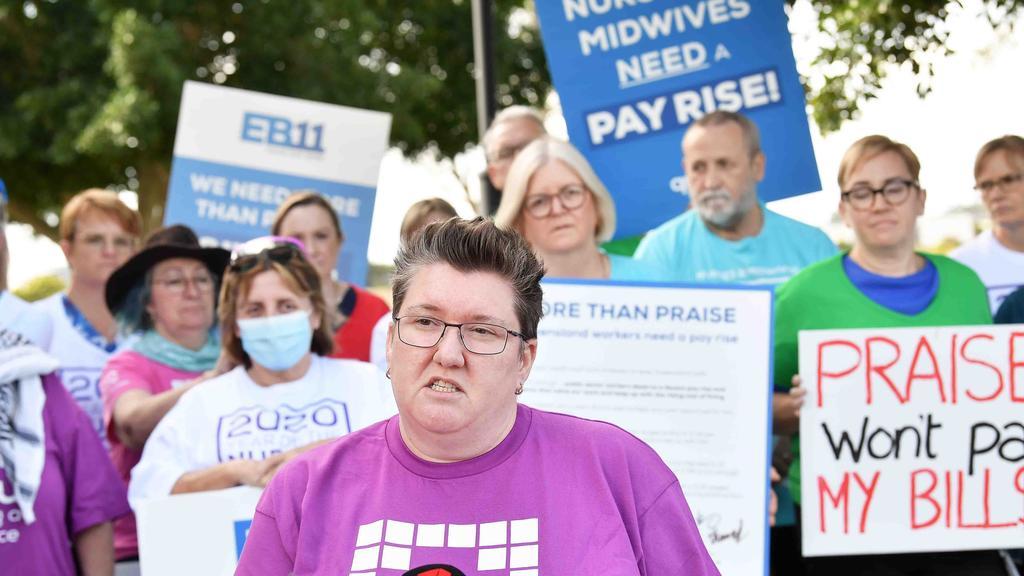
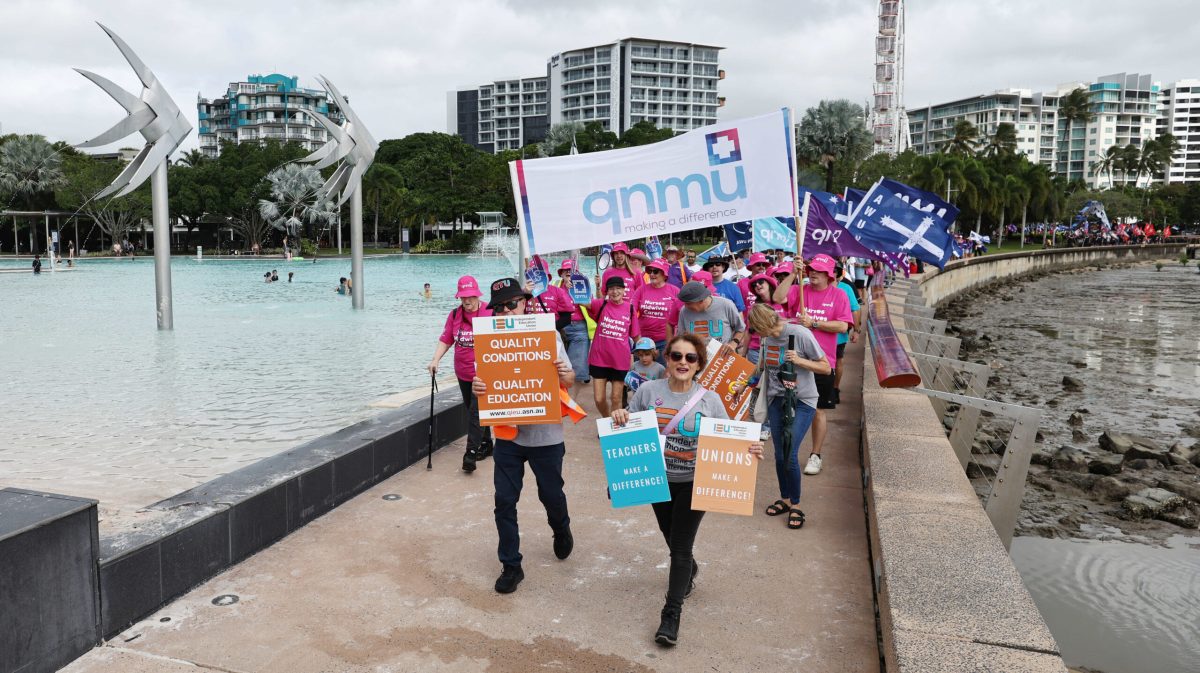
From Albury to Tweed, NSW public sector nurses and midwives will walk off the job today (10th September) for more than 12 hours, saying they are "fed up with being ignored" by the state government.
NSW Nurses and Midwives' Association members put tools down at 7am and will not return to duties until after 7:30 pm tonight as the union and it's members demand a one-year pay increase of 15 per cent.
NSWNMA general secretary Shaye Candish said that only minimal, life-preserving staffing levels will be maintained for public hospitals and health services during the hours of the walk-out.
“The state government is not bargaining in good faith. Not once in our 10 negotiation meetings has the government sat at the table and discussed nurses and midwives’ pay. That’s despite us finding significant cost savings through our Rapid Business Case” said Ms Candish.
“NSW Labor was elected on a platform of gender equity and supporting women in work. They’re now refusing to fix the gender pay gap and not deliver the state’s largest female-dominated workforce fair and reasonable pay.
“It’s clear the state government is choosing to pay nurses and midwives the lowest wages in the country, and it will continue to see our public health system fall apart if it doesn’t pay nurses and midwives enough to stay in NSW.”
NSWNMA's Rapid Business Case was submitted last month in support of the union's 2024 Award Claim addressing sector-wide recruitment and retention issues. Prepared in collaboration with Deloitte Financial Advisory, the Case aims to stem the decline of nursing and midwifery graduates in the state, outlining two opportunities which would enable the state government to allocate funding towards safe staffing levels, increased wages, the facilitation of additional training for Assistant in Nursing (AiN) positions and ensuring NSW Local Health Districts are attractive places of work.
These funding initiatives include:
- Technical efficiency (TE) which aims to secure additional funding from the Commonwealth without increasing patient activity and generate extra funding when the soft and hard cap is surpassed.
- Allocative efficiency (AE) which aims to develop strategies that allocate care to the appropriate location within the healthcare system and promote sustainability through the funding model.
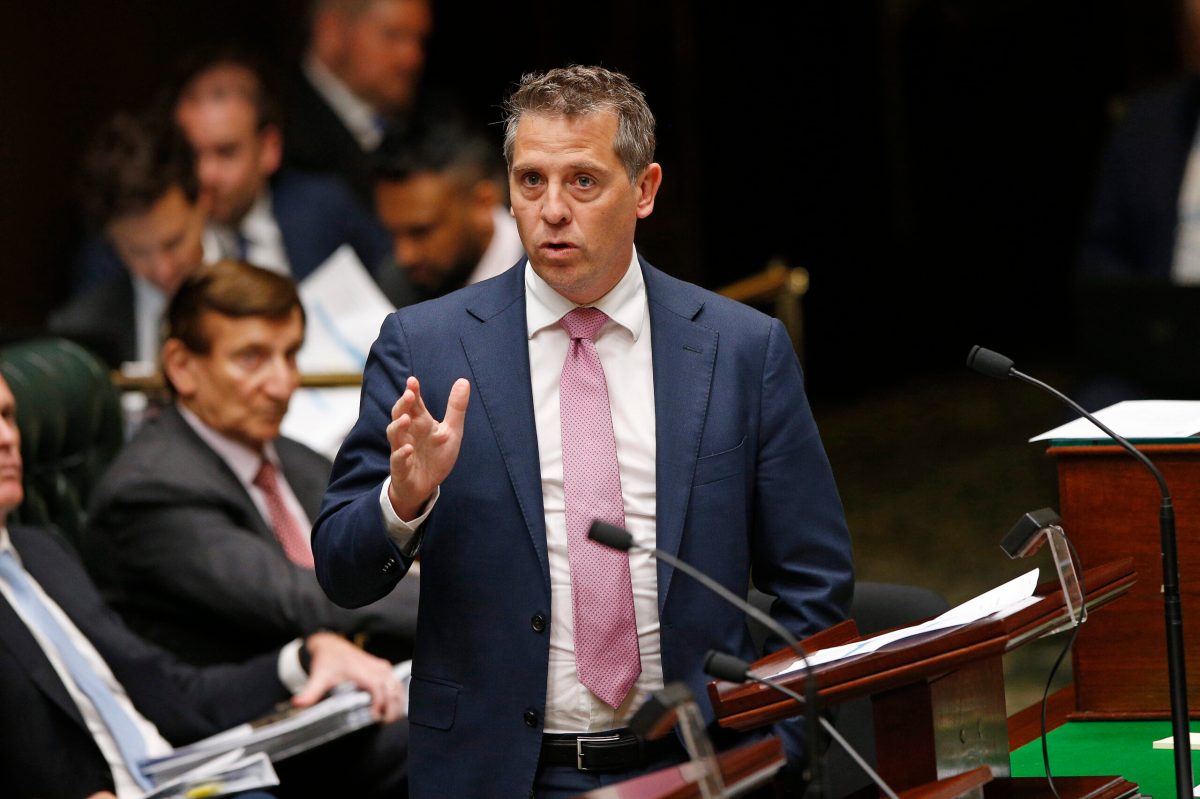
NSW Minister for Health Ryan Park has responded by emphasising his commitment to the public health workforce and assuring that the state government will continue negotiations in good faith.
“Nothing is more important to me as Minister for Health than investing in our essential health workers," he said.
“We are still in negotiations, and I remain at the table and will always work in good faith.
“The strike action proposed is serious, and I’m concerned it’s been taken.
“Of course we will have contingencies in place to minimise disruption to patient care.
“I ask nurses and the Association to look at what we have delivered and what we are delivering together, including ending the Liberals’ wages cap and rolling out safe staffing in our hospitals.”
A statement issued by Minister Park's office highlighted a number of previous and current state government initiatives working for the betterment of the sector including a 93.6 per cent improvement to nurse retention levels over the past 12 months, a $527 million investment into workforce retention, the removal of wage caps, plus a 4.5 per cent wage increase in 2023 and the roll out of their Safe Staffing Levels project, which is currently being implemented in 16 NSW Emergency Departments.
Last week the Industrial Relations Commission recommended that the NSWNMA cease industrial action, with concerns that today's strike will impact patient and community safety.
It is anticipated that the strike will result in longer waits in emergency departments and the cancellation of non-emergency surgeries, however, NSW Health has urged the community not to hesitate going to the hospital in the case of an emergency, as seriously unwell patients will be prioritised.