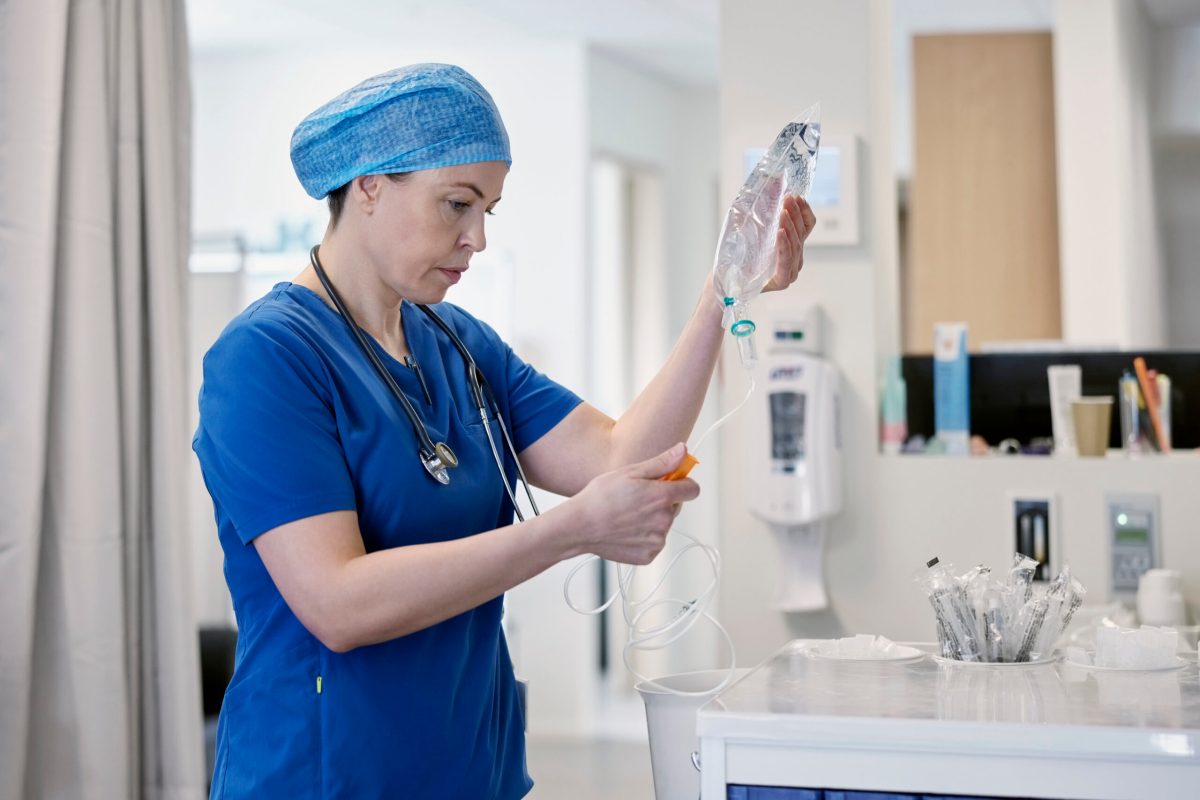
As the world continues to navigate through an unprecedented and ever-changing pandemic, the role of nurses remains visibly crucial to the care of patients.
After all, it is our nurses who spend, and continue to spend, enormous amounts of time providing direct care to patients who are COVID-19 positive, increasing their own personal exposure and that of their families to the virus. It is our nurses who are asked to maintain the highest level of care for these patients while facing the challenges associated with COVID-19.
And it is our nurses who often work overtime, ensuring their patients’ needs are always met. And this work is still not over. Even when the pandemic comes to an end, nurses will be called upon on a daily basis to provide compassionate, quality care to patients who come through the doors.
These noble qualities are nothing new for the profession. For the past 19 years, Americans have rated nurses as the #1 most ethical and honest profession, according to a yearly Gallop poll.
In 2020, nurses earned a 89% score, an increase of 4 percentage points from 2019. By all accounts, nurses are considered the heartbeat of the medical profession.
Given the critical role nurses play in all aspects of the health care system, why aren’t nurses more visible in leading the transformation of healthcare? Nurses should be full, active partners in transforming health care in the United States and around the world. We must work to ensure nurses take leadership roles at every level.
Here are some steps we can take to realise change:
- Enroll in formal education and/or training programs in leadership. Identify what you are passionate about and seek formal leadership training and/or programs in leadership that can assist you to lead in this area. If it isn’t the right time for formal training, consider shorter leadership development programs. Leadership is not innate; as nurses, we must learn and develop this knowledge and skills at every opportunity.
- Seek mentorship for leadership development. Consider mentorship by leaders in nursing, other health professions, policy and business. Mentors can help you identify your own areas of strength and opportunities, help you reach your goals, and build confidence. If you don’t have a mentor now, identify someone you look up to and ask them to be your mentor. Don’t be afraid to go outside of nursing to stretch yourself and learn from someone who has different training and experiences than you. And don’t ever think you are too old for a mentor. After over 20 years in nursing, I continue to value my mentors as much as or more than when I was a junior nurse.
- Get involved in health care policy making. Nurses can get involved through their professional organisations, or volunteer with policy making organisations to ensure healthcare policy decisions are taking their opinions into consideration.
We need more nurses to be visible and lead in the transformation of health care. Doing so will help transform healthcare systems to provide seamless, affordable, quality care that is accessible to all, patient centered, evidence-based and leads to better health outcomes.
Our profession has earned the trust of people all over the world, and rightfully so. Now it’s our time to continue to build on that trust to ensure the health care system is working better for everyone.
Melinda Sawyer, DrPH, MSN, RN, CNS-BC is the Vice President for Clinical Quality and Patient Safety of UnitedHealthcare Global. She has served as President of her local chapter of her professional organization and has worked to have legislative policies changed to support the important work of nurses.