Nurses are calling on the NSW government to introduce hazard pay for health workers who have risked exposure to COVID-19.
Registered nurse and NSW Nurses and Midwives' Association delegate, Jennifer Le, started an online petition urging the state premier to remunerate staff working in “dire conditions”.
The petition has gathered more than 25,000 signatures in over a month.
Le, who works in the ICU department in one of the state’s largest hospitals, said health workers should be recognised for putting their lives at risk.
“We've seen more patients die in the last few months than we probably ever have in the last few years in one shift,” she told Nursing Review.
“A lot of us just don't feel like there's an end in sight, and for a lot of people, … they're saying that it's become a thankless profession.”
Since the pandemic began, thousands of Australian nurses have felt the pressure of the overstretched health system.
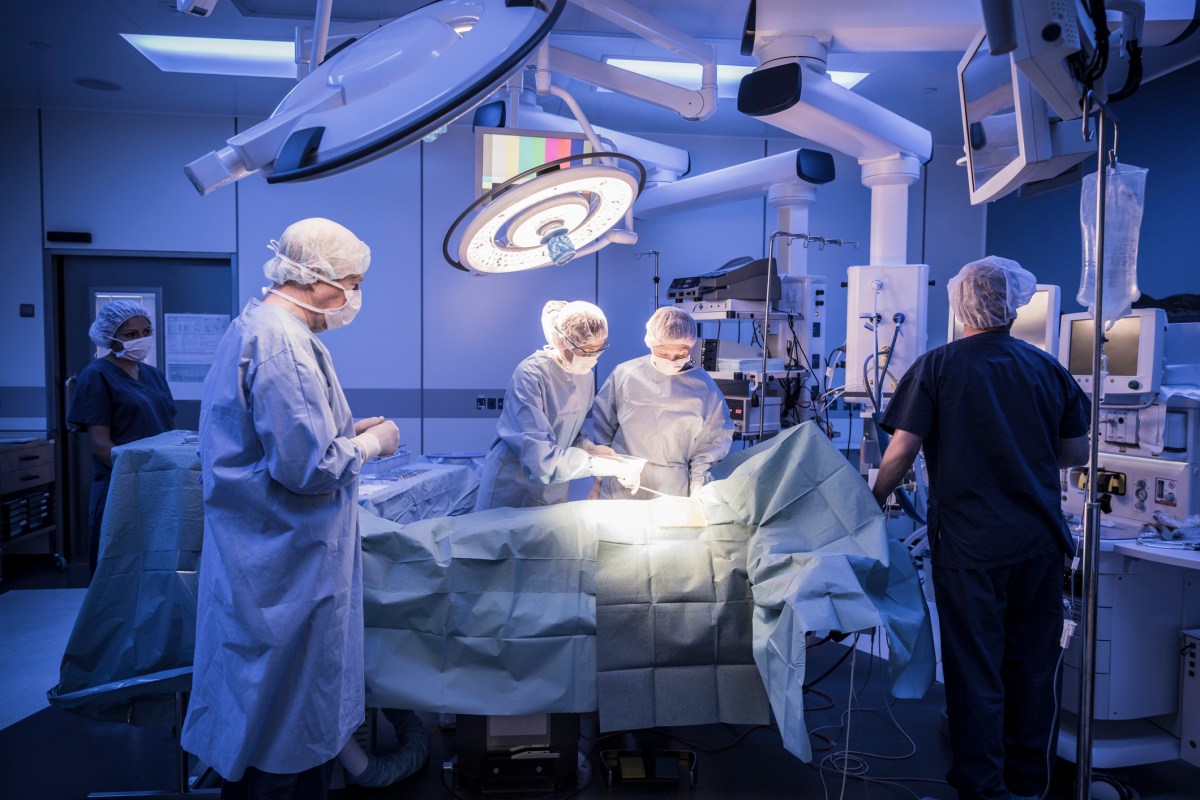
Hospitals in NSW COVID-19 hotspots became inundated with infected patients requiring ventilators and emergency care during the peak in early July.
In the thick of it, Jennifer was admitting more than six COVID-19 patients every night.
“It was crazy,” she said.
“We were pretty much in COVID PPE day in, day out, pretty much every day that we were at work.
“But you still have the risk of having a breach or catching COVID from your patients and taking it home and potentially getting your family members, or even just the community sick.”
For health staff, the physical strain of wearing personal protective gear for up to eight hours each shift has taken a significant toll.
Jennifer wears her full PPE for up to 40 hours a week, taking it off only when she goes home or receives her two half-hour breaks, which are not always guaranteed.
Along with a plastic gown, hair net, face shield and scrubs, frontline nurses must wear an N95 mask, which fits around the nose down to the neck to create a tight seal around the face.
Nurses have reported unstageable pressure injuries on their noses and allergic reactions after wearing the equipment for prolonged periods.
As NSW moves into the hotter summer months, Le said that her coworkers are increasingly concerned about becoming overheated and dehydrated.
“It's hot, it's demanding,” she said.
“You can’t just step out of your space and have a drink of water, you will literally have to remove all of your PPE and step out, which unfortunately doesn’t happen when you’re in a critical care area.
“A lot of us now are having headaches and migraines because we're dehydrated, and having to constantly take panadol.”

During the height of the latest NSW outbreak, up to 1500 cases were being reported daily.
Nurses were sent into isolation due to outbreaks inside hospitals, leaving the remaining staff to juggle multiple high risk patients at a time.
“They just get so sick and it just feels like we're losing this uphill battle," Le said.
“What we're seeing now is a lot of patients coming into the hospital are mostly unvaccinated and they get really, really ill."
Until yesterday, public health restrictions had barred visitors into ICU wards in NSW hospitals.
This tasked nurses with the responsibility of providing emotional support to patients on the ward.
“We care for these patients and it's always upsetting to see that they don't make it," Le said.
“Having their family on the phone, hearing them cry, not having them there to hold these patients' hands in their last moments, we are the ones doing that.
“It's heartbreaking.”
On top of caring for sick patients, nurses around the country have dealt with rising rates of harassment and intimidation from families.
Reports of occupational violence made to the the Australian College of Nursing have seen an increase over the past twenty months.
Calls from disgruntled loved ones threatening to sue the hospital, claiming that COVID-19 isn't real, and accusing nurses and doctors of "killing patients", is a common occurence on Jennifer's ICU ward.
"It's hard to reason with them sometimes when they're so firm in their belief," she said.
"We are the professionals, but suddenly we are feeling like our profession is being stamped upon."
Fed up with the conditions, Jennifer spoke with her colleagues on the ward who unanimously agreed that frontline healthcare workers should be receiving penalty pay for their demanding work.
This came amid frustrations over the government's refusal to implement staffing ratios in NSW public hospitals.
Jennifer said she has spoken to many nurses who feel they have no other option but to seek out other careers.
After four years as a nurse herself, she said she has considered leaving, but will stay to advocate for improved conditions.
Union endorses allowance
Last week, the Victorian government committed to a surge allowance paid over four months for public sector nurses and midwives.
This came after a Melbourne-based emergency nurse gathered over 50,000 signatures on an online petition.
In response to Jennifer’s petition, the NSW branch of the NMA has written to state health minister Brad Hazzard requesting a COVID-19 payout.
The union is seeking back pay for workers caring for confirmed or suspected COVID-19 cases till July, and an additional $60 per 6 to 10 hour shift, $90 per 12 hour shift, and $120 per double shift.
In a public statement last week, NSWNMA president Brett Holmes warned that the reopening of NSW was leaving fatigued health staff in an anxious state.
"As the community looks forward to reintroducing some normality into their lives, nurses and midwives don’t get to share in that luxury," Holmes said.
"Text messages are being sent to nurses daily, begging them to start early or work double shifts, to address the shortfall.
"They’ve had very little reprieve since the pandemic hit our shores some 22 months ago, and it’s far from over."