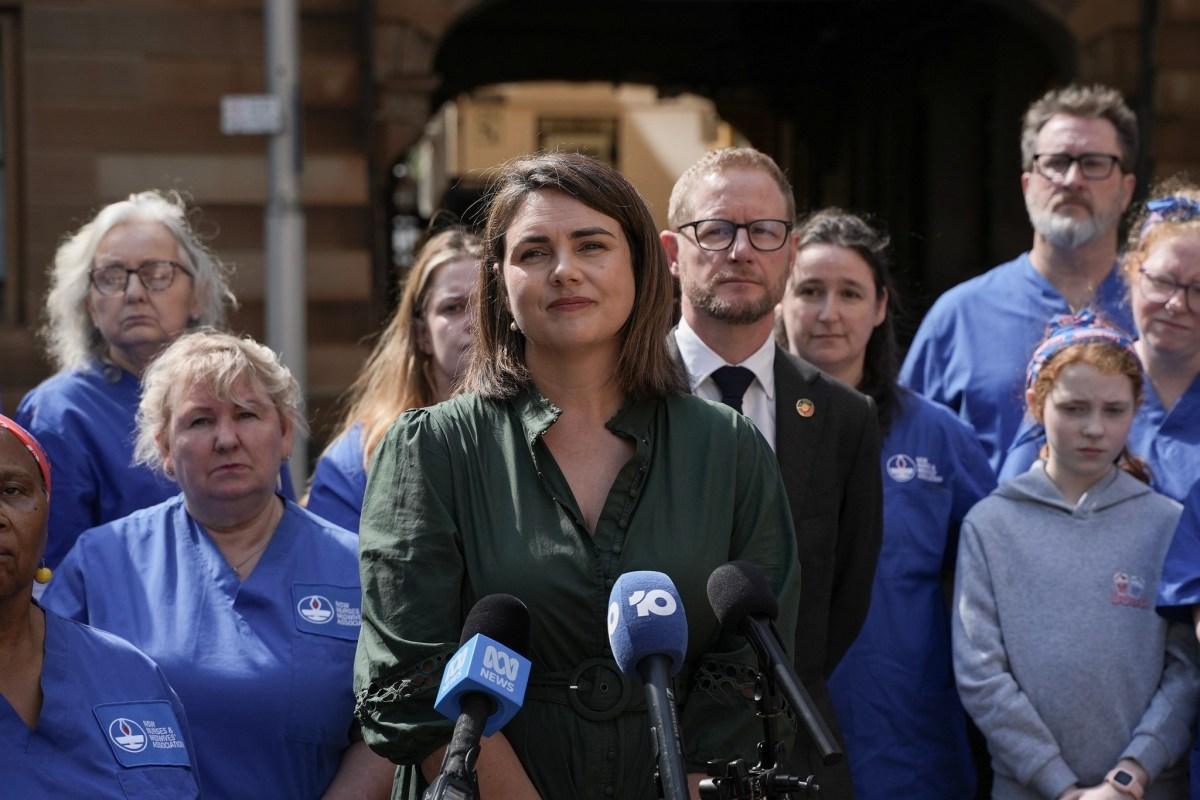
The Australian Primary Health Care Nurses Association (APNA) has released survey data showing almost 40 per cent of primary health care nurses and midwives are considering leaving the sector in the next two to five years.
The APNA National Workforce Survey, conducted annually, showed mass employment dissatisfaction among respondents, with inadequate pay and lack of recognition for their work among their top grievances.
APNA chief Ken Griffin expressed his disappointed at the findings and said the sector needs to improve support for their nurses and midwives.
“We’re obviously extremely concerned that only two in five of the current workforce say they’ll keep working in primary health care – and the implications that has for health care in Australia," he said.
“At a time of chronic health workforce shortages, we have highly skilled nurses with an average of 21 years’ experience undertaking administrative tasks, which could be undertaken by a less qualified employee. Nurses want to do what they are trained for and be working to their full scope of practice to ensure Australians get quality care in their community."
Key findings of the survey include:
- 37% of respondents were moderately or very satisfied with their remuneration
- 45% were moderately or very satisfied with the recognition they receive for their work
- 54% were moderately or very satisfied with the freedom they had to choose their method of work.
APNA president Karen Booth said the workforce is underutilised and under appreciated.
“It really is a complete waste of time having highly qualified and very experienced registered nurses sitting on the front desk, whilst people are waiting longer and longer to see a doctor," she said.
“Nurses in the survey told us they are ready, willing and able to do more clinically, and provide the care they’ve been trained to do. New laws will soon allow nurse practitioners and endorsed midwives to work to their full set of skills without the need to be overseen under a collaborative arrangement with a GP, and now it’s time that registered and enrolled nurses are able to do the same.
“This would importantly free-up the largest, clinical workforce in primary health care and make it easier for people to access health care when and where they need it, particularly in rural and remote regions where chronic medical workforce shortages are preventing people from receiving basic health care checks which nurses are trained to deliver.
“Nurses are valued, trusted and skilled but are chronically underutilised at a time of severe workforce shortage. That is why the Scope of Practice Report draft final report and recommendations, due in the coming months, will be crucial ensuring the work undertaken by highly skilled nurses is meaningful, well paid, and recognises the importance of nurses to the community.”
In GP clinics specifically, the survey found that nurses were spending a significant amount of time undertaking administrative tasks that did not reflect their skill level and expertise including:
- 68.8% doing recalls and/or patient appointment reminders
- 32% stock management and ordering
- 16% working at reception.
One survey respondent said that focus also needs to be on educating the next generation of healthcare professionals.
“The nurses in primary care, especially GP clinics, are collectively getting older. If we are not replaced there will be more and more presentations to A&E with disease or exacerbations/complications that could be well monitored and controlled with more access to care in general practice.”
Representatives of APNA will this week meet with members of parliament to discuss solutions for a range of workforce issues in an attempt to prevent a mass departure of qualified staff in the coming years.