NSW has been criticised for the lack of mental-health funding in the new state budget, which was released mid-September. It is the only state in which mental-health funding has decreased per capita over the last 10 years.
October is Mental Health Month for NSW, SA, Victoria and the ACT, followed by other Australian states during select weeks in October. World Mental Health Day is on October 10, and aims to promote mental health awareness and prevent mental disorders.
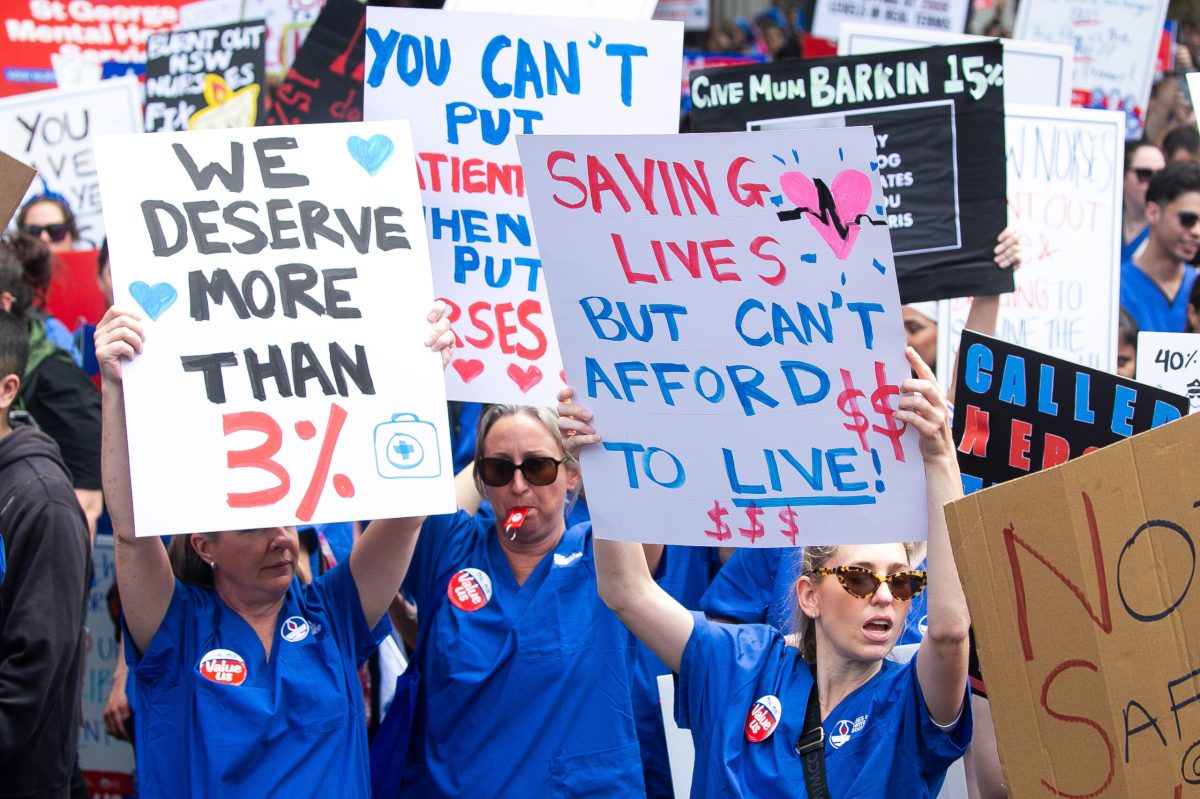
A 2019 study of Australian nurses found that 40 per cent of participants were experiencing high levels of psychological distress, and 30 per cent symptoms of depression, which were caused by the high-stress and demanding nature of their long work hours and unsupported working environments.
Mental-health related issues make up a total of 13 per cent of NSW's burden of disease, at the same time as there is a shortage of the mental health nurses in the workforce.
Acting president of the Australian College of Mental Health Nurses (ACMHN) Matt Ireland says that the lack of funding in the budget is increasing burnout of the existing mental health nurses and increasing costs and wait times for patients seeking care.
"The lack of funding for mental health reform in this first Labor budget was a lost opportunity to do some real good," he said.
"When new funding is made available, the extent of the problem will be much greater.”
A concern contributing to poor mental health in registered nurses over the past few years has been pay. In the new state budget there is some good news for healthcare workers. The public sector wage cap is being abolished and there is a $3,000 pay rise to 50,000 healthcare workers salaries.
Lower-paid nurses will receive a pay increase of up to eight per cent, and a $419 million fund will allow the hire of an additional 1,200 nurses; with another $572.3 million to convert 1,112 temporary nurses and midwives to permanent positions.
Although there is a lack of mental health funding directly for nurses and care workers, the registered nurse workforce is 89 per cent women, and investment in women's health is clear.
The $100 million women's wellbeing package includes a $34.3 million investment into 20 Women’s Health Centres in NSW providing mental-health services for women.
The budget also pledges a $669.8 million investment into mental-health infrastructure through its big spend on new and upgraded hospitals.
Campbelltown Hospital will receive $53.5 million for its redevelopment stage two: mental health and southwest paediatric service; part of the broader $632 million redevelopment of Macarthur's health services, which will also initiate online mental health support services.
The Westmead Integrated Mental Health Complex will relocate from Cumberland Hospital to a new facility connected to Westmead Hospital, through an investment of $409.0 million over four years to 2026-27, as part of a larger $460.0 million project.
The government uses its ‘Living Well’ strategy, developed by the NSW Mental Health Commission in 2014, to try to tackle the mental health needs of the community.
The 10-year plan had a mid-term review and focuses on improving community mental health and building a well-resourced mental health services workforce in its 2020 to 24 agenda.
Although this year's NSW budget says it focuses on combating stressors caused by the understaffed nursing sector, the Black Dog Institute said more needs to be done to combat mental health issues among nurses.
The Institute and its supporters would like to see the government conduct an independent gap analysis of state-funded mental health services, allocate more funding for mental health proportionate burden of disease, and develop a recurring revenue stream to provide dedicated ongoing funding for mental health services.