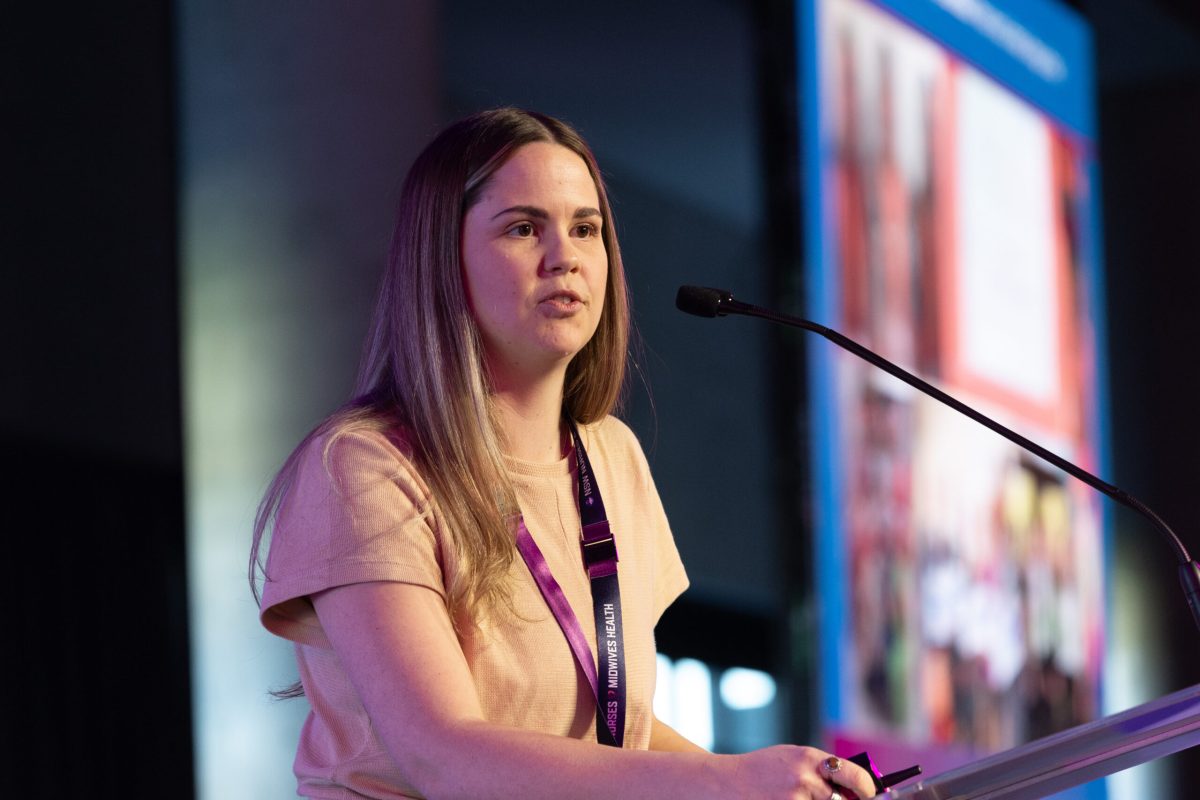
A 23-year-old described her journey of becoming a midwife in rural South Australia as 'a magical experience', where she made meaningful connections and changed lives.
Taryn Gartner, a midwife at Mount Gambier District Health Service, described her job as a rural midwife as meaningful.
“Being a midwife means a lot of shift work outside the normal nine to five,” Taryn said.
“But, being a rural midwife means more community involvement in the work that you are doing.”
“It’s really great and feels really good.”
Taryn’s day-to-day work life was never the same. She recounted to Nursing Review the myriad of jobs midwives at Mount Gambier juggled alongside their hospital duties.
“We have minimal staff overnight, so we’ll be on-call in case there are more patients to staff,” Taryn said.
“Staff also work in the community as a domiciliary midwife, which means I get in the car and go around to check how patients and babies are going postnatally.”
“There are clinic shifts offered as well where we book women to our maternity services, which is basically like an intake.”
Despite the multiple hats Taryn wore, her experience as a rural midwife is something she would not have gotten had she stayed in the city.
“I never got a rural placement, so I did not know what it would be like,” the 23-year-old said.
Emergencies could happen at any time, and with Adelaide being five hours away and Mount Gambier District Health Service being the only hospital in the area, Taryn was able to offer more than her midwifery experience.
“With the minimal staff and doctors not being on-site, we have to think quickly and deal with emergencies as it appears,” she said.
“I wouldn’t have developed those skills if I was in an environment where the doctor or senior staff is always there.”
During her final placements at city hospitals, Taryn worked tiring shifts in the birthing unit with only a handful of midwives on the clock. On the brink of burnout, she came to a stark realisation that she was not enjoying the city life and made the decision to seek work rurally.
She recognised the final piece for her midwifery career would be if she worked in an intimate team.
“You feel a little bit like a number in those bigger city hospitals, and working rural is realised how much of a team we are,” Taryn said.
Working in rural hospitals helped Taryn cultivate friendships with staff and doctors, which made her love her job more and supported her through being burnt out.
“There’s less of the high rotation and high turnover – you can form those friendships which helps when you get stuck in situations, and you can rely on and communicate with the staff," she said.
For Taryn, being a rural midwife meant becoming intertwined with the journey of becoming a mother. The midwife is constantly reminded of these threads of stories and patients whenever she walked down the streets of Mount Gambier.
“There’s a real sense of pride, especially in rural communities, because we see them from the first appointment when they tell us they’re pregnant to post-natally to sometimes even when the kids are older and we see them at the health centre,” Taryn said.
“Everything is outstretched in the community, and it’s a truly magical experience.”