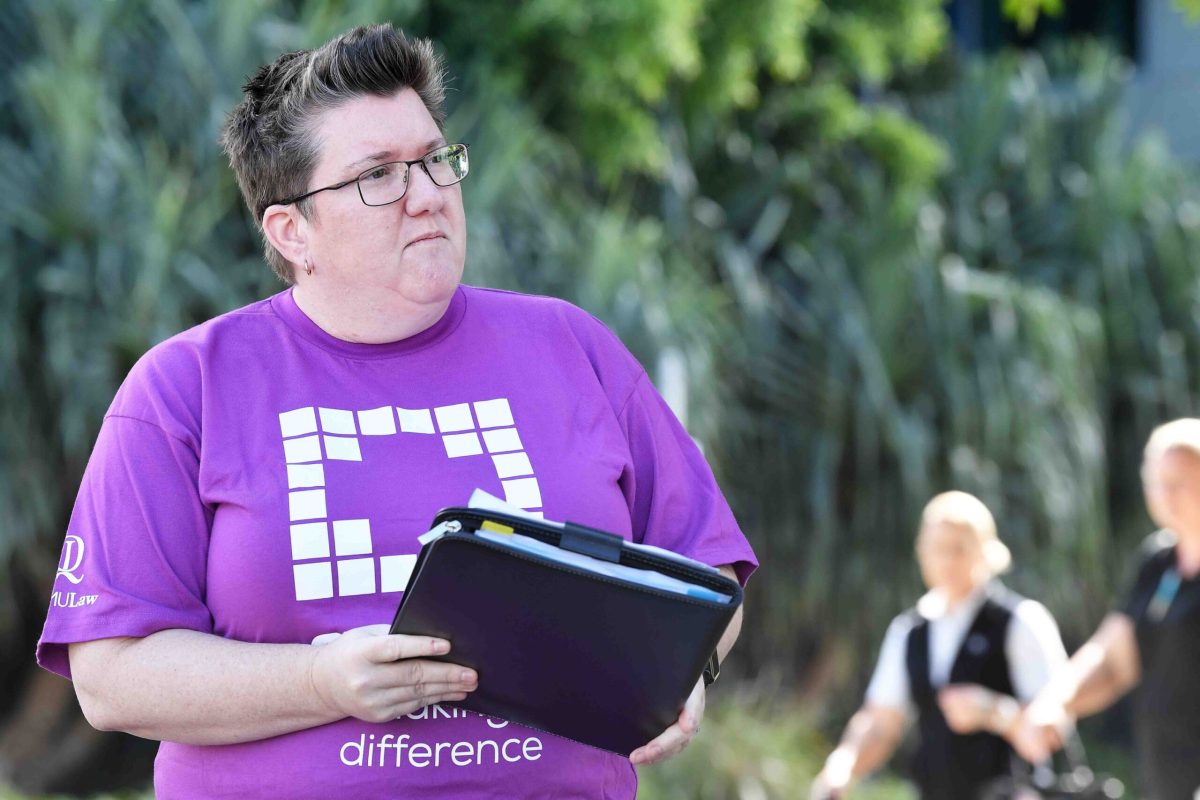
A new report detailing Indigenous patients' experiences of hospital care has affirmed the importance of supporting the midwifery workforce, according to UWS researcher and registered midwife Renae Coleman.
Recent insights from the Bureau of Health Information (BHI) found that Aboriginal women in NSW had a significantly less positive experience of care than non-Indigenous women.
The survey also found that Aboriginal women giving birth were more likely to report higher levels of respect and improved communication when supported by an Aboriginal health worker.
“Many of the First Nations women don't feel culturally safe with what the mainstream system offers,” said Renae, who is a descendant of the Boorooberongal people of the Darug Nation.
“Services that offer continuity of care throughout pregnancy, birth and postnatal; there's just not enough services out there and available.”
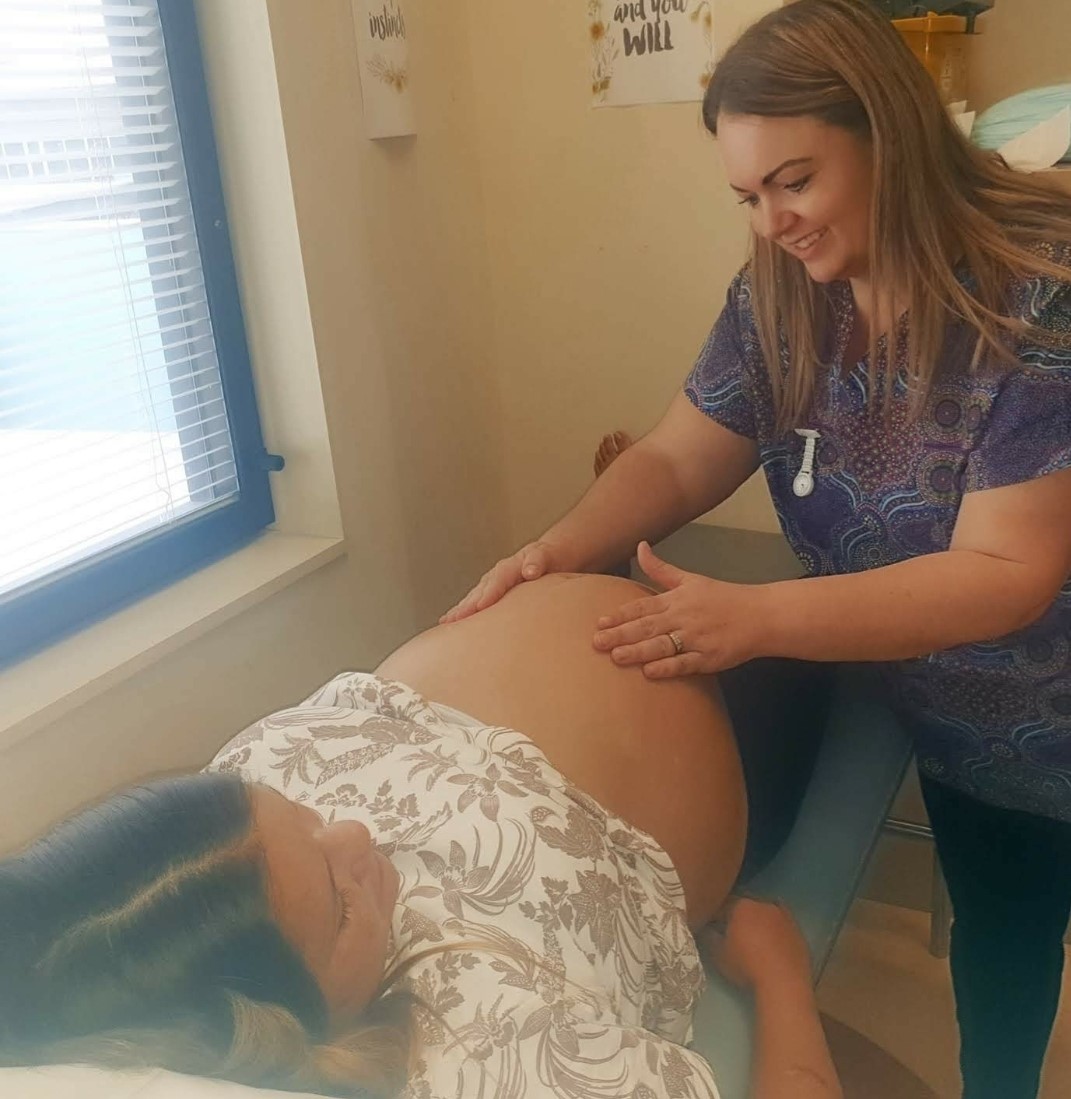
Continuity of care is vital to the wellbeing of an expecting mother and her child, with studies showing that having a trusted midwife can significantly reduce medical interventions and preterm birth.
In Australia, Indigenous women face disproportionate rates of adverse health risks during pregnancy and postpartum periods. Access to continuity of care is essential to reducing these disparities.
“It's difficult to implement this type of care in the fragmented mainstream system, where women see different midwives each time they go,” said Renae.
“There's also a lot of women that have complex medical histories. Often they get flagged as high risk and they don't get the opportunity to see a midwife. They're moved to the doctor's clinic and they tend to not come back.”
Birthing on Country, described as the ‘gold standard’ of care for Aboriginal mothers, calls for the development of the Indigenous maternity workforce to improve women's experiences and overall health outcomes.
According to Renae, acknowledging the individual needs of every Indigenous woman is paramount to the delivery in this type of care.
“It's all about what the community wants and it's all directed from there.
“There's that big influence of having an Aboriginal workforce that propels this kind of framework.”
Not enough graduates
Around one per cent of Australia’s healthcare workforce identifies as Indigenous and Torres Strait Islander. In a joint research paper, Renae noted that there was an inadequate number of Indigenous midwifery graduates to redress this gap.
“Not most, but many of our Aboriginal students have families or care responsibilities that they need to juggle.
“There's barriers within the health system as well, with experiences of racism.
“But many of us do overcome that and are able to get through that period, but usually it's with a lot of love and support around them.”
According to a recent AIHW report from April, over thirty per cent of Indigenous Australians indicated they did not access required health services due to discrimination, language barriers or a lack of cultural safety.
Racism entrenched in the health workforce is a major barrier for Aboriginal student midwives, according to Renae.
“There's also an issue where we're exposed to quite a bit of racism, bias, and the blindness that stems from white privilege.”
Kinship and connection to other Aboriginal people, she said, is crucial to supporting students through their learning and development.
“Sometimes we call it our 'sisterhood', and it is so important because it can be a very isolating experience going through colonised education systems and colonised healthcare systems.
“And having that ability to be around people that may be sharing the same experiences as you.”
Non-Indigenous health practitioners can better support Aboriginal students and co-colleagues by removing the notion that everyone is treated the same, said Renae.
“I think it's important to them, to speak up when you hear racist comments.
“It’s okay to call it out because for your Aboriginal colleagues or student midwives, it does chip away at them and it's difficult to speak up.
“And often you see people don't speak up and they end up leaving.”
Closing the gap
Last week, the Prime Minister announced a $1 billion implementation plan towards closing the gap in Indigenous health, education and justice.
The annual Closing the Gap report showed that only three out of the 17 new targets had made progress, including improving birth weight and preschool attendance.
In the midwifery space, Renae said that working in collaboration with Indigenous women would be pivotal to implementing future policies aimed at achieving equality.
“I think it'd be great if we could try and review policies and procedures, through the lens of Aboriginal women, and better still, asking Aboriginal people to be involved in that process.
“Ask them to provide their input when making decisions, and actually listen to them, not just invite them to tick boxes.”