The final hearing of the New South Wales birth trauma inquiry has heard from two young mothers about their traumatic experiences when giving birth.
The inquiry has received more than 4000 submissions detailing the disrespectful – and sometimes dehumanising – treatment women have received in NSW’s maternity system.
Last week, the sixth and final hearing of the inquiry was held at Parliament House in Sydney.
Twenty-one suffering from multiple strokes
Mum of three, Cassidi-Rae Amosa, gave evidence via audio video link and shared her story of a post-traumatic stress disorder (PTSD) diagnosis following a traumatic birth.
Ms Amosa told the inquiry that at 21, she suffered multiple strokes nine days postpartum due to hospital negligence.
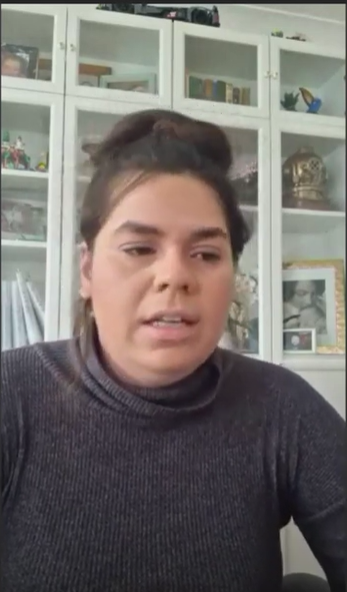
"After giving birth to my youngest child, my placenta split and got caught and was unable to pass by itself," Ms Amosa told the inquiry.
"Rather than sending me to the theatre, after multiple attempts of pushing out the remains of the placenta by pushing down on my stomach, the doctor decided to perform the most inhumane procedure I've ever heard, and quite frankly, it still gives me nightmares and flashbacks."
Ms Amosa detailed how the doctor had given her gas for the pain, and then "her whole fist entered" her vagina to grab the missing placenta out without asking for consent or explaining what was happening.
Nine days postpartum, Ms Amosa had five small strokes and a life-threatening stroke, leaving her to have to teach herself how to walk, talk, and live life again.
"I believe my strokes could have been avoided by many things," Ms Amosa said.
"I was violated. There's no other word for it. No is no. It's non-consensual. It's disgusting. I would put it in the same category as rape.
"I am not just a mother of three anymore; I am more than that. I am a victim of medical negligence, I'm a survivor of multiple strokes, and I'm a woman with PTSD and severe anxiety."
Kept in the dark about her full-term stillbirth
Larissa Palamara was not told about the death of her daughter, Amber, in utero while giving birth in 1997.
The now 46-year-old told the inquiry while she was pregnant as a teenager in 1997, doctors put her under a general anaesthetic and delivered her stillborn daughter via emergency caesarean section without informing her Amber had died.
In her testimony, she showed the committee a photo of Amber.
"This is my little girl. She was perfectly formed, she was ready to be born, and I was the only person in the room who didn't know she was already gone, and that was taken from me," Mr Palamara said.
In a lengthy investigation process, the hospital admitted the medical staff were aware her daughter was stillborn before the caesarean but did not tell her.
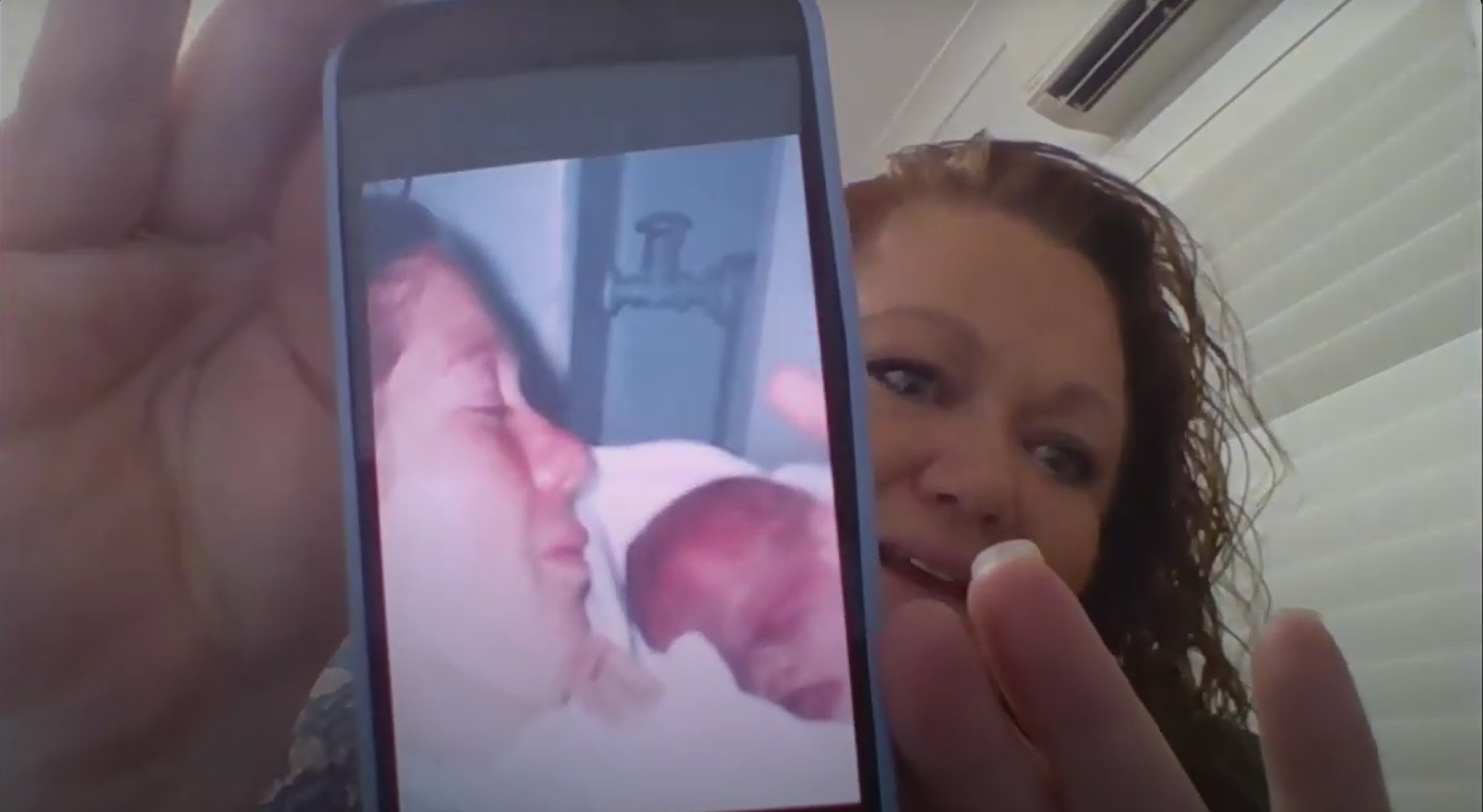
"They knew, and they've admitted it was too hard for them to face me until I was sedated," Ms Palamara said.
"I was told that they apologised that I went to the hospital on a long weekend. It was Easter weekend, and they were operating on insufficiently trained skeleton staff."
Ms Palamara was diagnosed with PTSD following her postpartum experience, however, she told the inquiry the trauma began before the death of Amber.
She recounted ongoing bullying from her assigned midwife, who humiliated her because of her age and ignored her concerns about the lack of movement from her baby, who ultimately died in her womb.
"I was described by my primary care midwife as a neurotic first-time mother-to-be, that I was problematic at every appointment," she said.
"I was told in front of all of those midwives that because I was protecting my 'bikini body' and consistently losing weight, my big baby had nowhere to move, and I couldn't expect to feel it move.
"[One] time, she turned around to the student midwife and stated, 'When you get to the time of wanting to have a baby of your own, don't worry about the stretch marks. You're not going to look like her because I'm sure your hygiene will be far better.'"
Calls for 40 free psychology sessions
Psychologists and mental health advocacy groups have called on the government to fund 40 free psychology sessions for mothers after birth trauma and raise the rebate for all psychologists to at least $150 per session.
Psychologist and researcher Alysha-Leigh Fameli said the fourth-leading cause of maternal death was suicide, and 10 sessions were "grossly insufficient" and not relevant to the "trauma experiences" mothers go through.
"It is unfeasible to expect that someone is going to come in and they're going to go, 'Here are all the things that have happened to me in my life and how they might be contributing to where I am now,' and be able to wrap that up neatly in 10 sessions," Ms Fameli said.
"In terms of trauma therapy, [it] often involves a more intensive approach. If we were doing best practice, sometimes things like EMDR therapy, we would be looking at two sessions a week for blocks of time – so two sessions a week.
"Once you've built rapport in 10 sessions, you are done within three weeks. It's not practical for anyone, really, unless you were potentially coming in with a very, very mild anxiety or something like that, which you could probably benefit from other programs for."
President of the Australian Association of Psychologists Sarah Behardien O'Doherty said a single rebate across all psychologists would help.
"For clinical psychologists, it's roughly $136 per rebated session. For registered psychologists – that includes all other endorsement areas and all of the other psychologists – the rebate is roughly $93. There's about a $40 gap between that," Ms O'Doherty said.
"I also just want to call attention to the perinatal or pregnancy counselling rebates that Medicare allows. Only three Medicare rebated sessions are able to be provided under that service, and that could be in addition to the mental healthcare plan of 10 sessions. However, the rebate for this is substantially lower – it's only $63 per session.
"What the [association] is advocating for is one single rebate that actually exceeds the current rebated amount that clinical psychologists are currently able to provide. We're advocating for a $150 rebate per session across the board for all psychologists who are qualified to provide services in this space."
Report due in June
The inquiry was called the "MeToo movement" for birth, when midwifery researchers estimated one in three mothers reported birth trauma following delivery.
The committee has heard from almost 30 women about their personal experiences of birth, as well as from advocacy groups, medical professionals, and NSW Health.
The NSW Upper House committee will now prepare its final report and recommendations to the NSW government, which is to be published by 3 June 2024.